
23 October 2026, 14:38
Loading...
Japan's nuclear restart continues as another unit returns after 13 years out of service

Eduard Majling
31 October 2024, 11:36
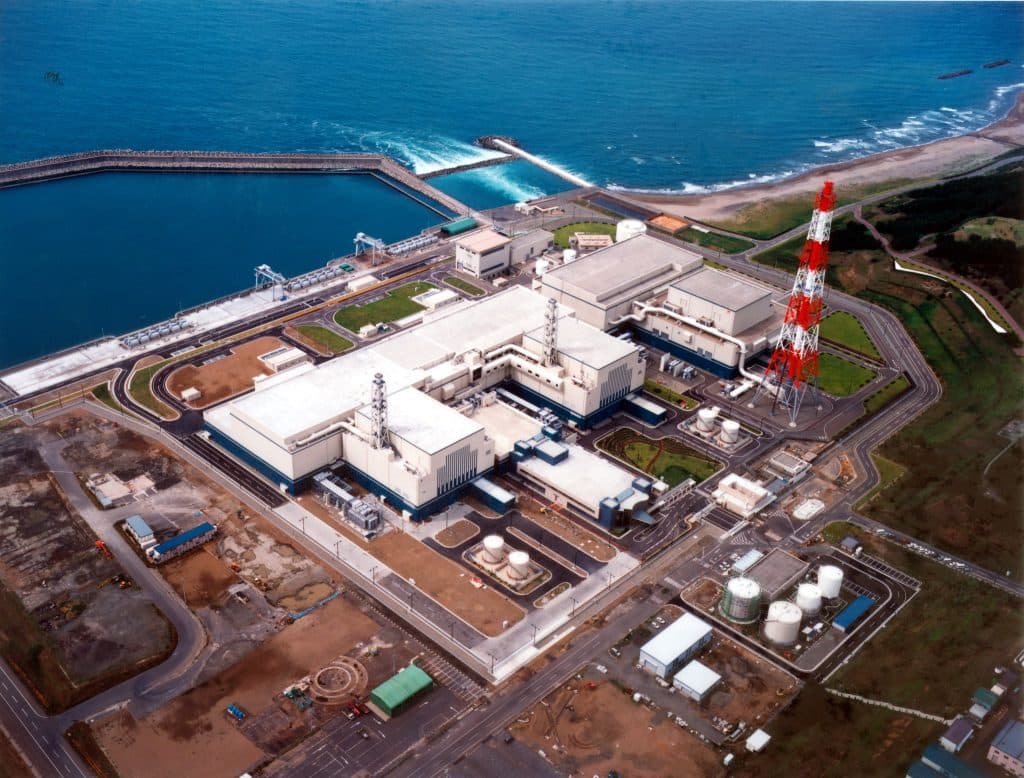
Japan has continued efforts in recent years to bring nuclear units back online after they were shut down following the accident at the Fukushima Daiichi power plant. The latest addition to available nuclear capacity came from Unit 2 of the Onagawa nuclear power plant. It was restarted early this week, after 13 years out of service. Restarting nuclear units is also helping Japan reduce its imports of liquefied natural gas, which could help ease pressure on prices in the global and European gas markets.
In Japan, another nuclear unit was brought back online this Tuesday—in this case, Unit 2 of the Onagawa power plant, with an installed capacity of 825 MW. With this latest restart, the number of operating nuclear units in Japan has risen to 13, with a combined installed capacity of 12.4 GW. The Onagawa plant was shut down after the devastating earthquake and tsunami, which also led to the accident at the Fukushima nuclear power plant.
According to Reuters, Onagawa was the nuclear power plant closest to the epicentre of the 2011 earthquake. It is also the first nuclear power plant in eastern Japan to resume operations since 2011.
Other Japanese units are also awaiting a return to service. Unit 2 of the Shimane nuclear power plant could restart later this year. Work is also underway to bring the world's largest nuclear power plant, Kashiwazaki-Kariwa, back online.
More operating nuclear units reduce gas imports
Bringing the original nuclear units back online is helping the country reduce its reliance on imports of fossil fuels, including liquefied natural gas. LNG, along with coal, helped replace the nuclear units that had been shut down, driving a sharp increase in imports. Fossil fuels form the backbone of Japan's electricity sector, accounting for more than 70% of electricity generation in 2022.
However, natural gas imports have declined in recent years, partly thanks to the larger number of operating nuclear units. Last year, Japan's LNG imports were around 30% lower than they were 10 years ago. With more nuclear units returning to service, Japan's LNG imports are expected to fall further. This could help ease pressure on gas prices in the global market, which are crucial to price formation in the European market.
Translation disclaimer
This article is a machine translation of the Czech original and has not yet been fully reviewed. In case of any doubt, please refer to the Czech version.
Sdílejte článek prostřednictvím:
You might also like


23 October 2026, 11:01


23 October 2026, 06:34