
23 October 2026, 14:38
Loading...
Minister: Nuclear power could contribute to Germany's energy security

Eduard Majling
19 February 2026, 06:49
Nuclear power has long been a controversial topic in Germany, particularly in the context of the relatively recent closure of the country's last nuclear power plants. In recent years, however, voices have increasingly been heard from within government circles suggesting that it could become part of the country's energy system in the future. This is also indicated by statements made by Germany's economy and energy minister at the security conference held in Munich last weekend.
The history of nuclear power in Germany stretches back decades, but electricity generation from nuclear energy is now a thing of the past. Following the accident at Japan's Fukushima Daiichi nuclear power plant, Germany decided to return to its original schedule for a faster phase-out of these energy sources. The country shut down its last nuclear power plants in 2023, after more than 60 years of generating electricity from nuclear power.
The future of nuclear power in the country remains uncertain, however. Last year, German Economy and Energy Minister Katherina Reiche ruled out a return to nuclear power generation, but that position could change. At the annual security conference traditionally held in Munich, she stressed the need for greater technological diversification to ensure Germany's energy security.
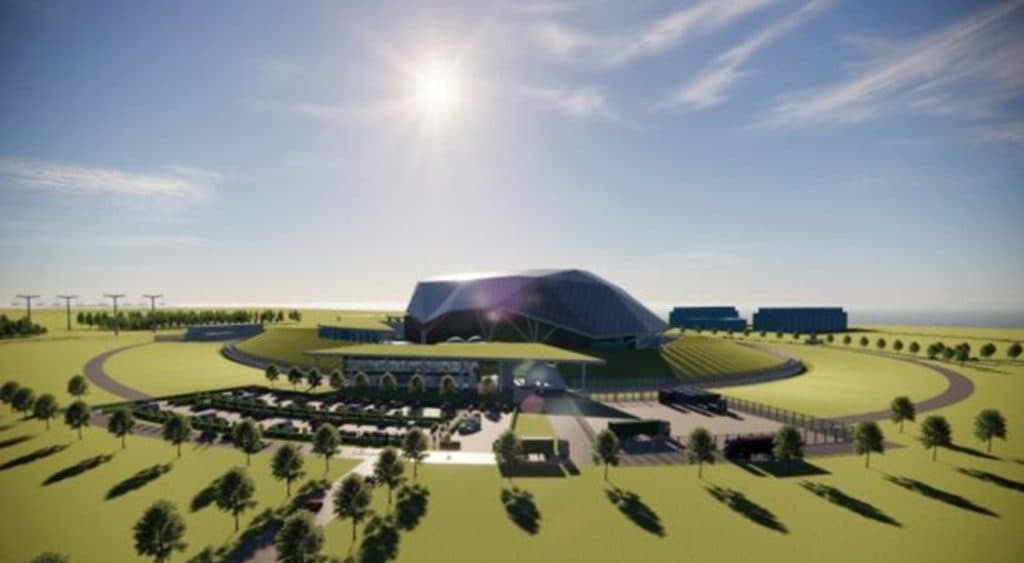
What was surprising was her statement that the country should consider the potential use of small modular reactors (SMRs) alongside gas-fired power plants. The minister said that small reactors could contribute to a resilient, decentralised and low-emissions energy system, and that the German public should understand this. She said the German government's stance on nuclear power had changed because of technological developments.
Large nuclear power plants remain taboo
Minister Reiche nevertheless ruled out a return to conventional nuclear power plants. Germany should at least understand developments in nuclear power, she said, so that it can make decisions about investments at home or abroad. She said the ministry had set up a working group to analyse projects in other countries and provide the government with information for future decisions.
Reiche also pointed to the expected increase in electricity demand from data centres, noting that Germany would have to find new energy sources. “If it is not going to be gas, or even coal, we will have to find something else,” the minister said.
The future use of fusion power plants is also under consideration, with the government intending to invest substantial funds in their development. More than two billion euros is expected to be committed by 2029.
Translation disclaimer
This article is a machine translation of the Czech original and has not yet been fully reviewed. In case of any doubt, please refer to the Czech version.
Sdílejte článek prostřednictvím:
You might also like


23 October 2026, 11:01


23 October 2026, 06:34