23 October 2026, 11:01
Loading...
Nuclear power plants generated a record amount of electricity last year

Jiří Salavec
3 September 2025, 06:56
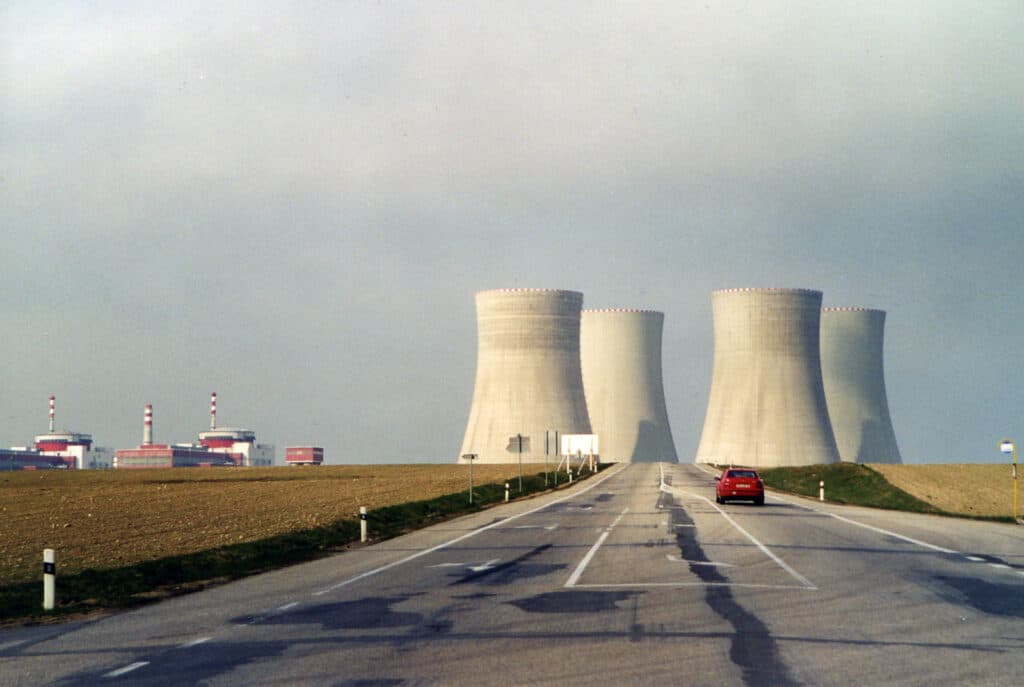
Annual electricity generation from nuclear power plants reached a record high last year. Nuclear reactors worldwide generated 2667 TWh, 7 TWh more than the previous record set in 2006. The annual capacity factor reached 83%. The vast majority of reactors commissioned over the past decade are in Asia, as are most of the units currently under construction. After a shift away from nuclear generation following the Fukushima accident in Japan, nuclear reactors are coming back into favour as a stable, low-emissions source of electricity.
World Nuclear Association published its World Nuclear Performance Report, analysing developments in the sector in 2024. Its main finding is that annual electricity generation from nuclear power plants worldwide exceeded the previous record. Last year, the 2660 TWh record set in 2006 was surpassed by 7 TWh, 18 years after it was established.
A total of 410 of the 440 operable nuclear reactors contributed to the record; the remaining 30 did not generate electricity for various reasons. Total installed nuclear capacity reached 398 GW, with operating reactors accounting for 369 GW.
"The new record for nuclear electricity generation in 2024 is a testament to the sector. To meet our global energy and climate goals, this record will need to be surpassed by an ever greater margin each year," said Dr Sama Bilbao y León, Director General of the World Nuclear Association.
Nuclear power plants also achieved the highest annual capacity factor of all electricity-generating technologies, at 83%. Notably, high capacity factors are common among reactors regardless of their age, and more than 60% of reactors recorded an annual capacity factor above 80%.
Asia’s nuclear future
Asia is currently driving the construction of new nuclear units. At the end of 2024, 63 nuclear reactors were under construction, 56 of them in Asia. The same is true of reactors commissioned over the past 10 years: of the 68 new reactors, 56 are generating electricity in Asia. A comparison of construction times for reactors connected to the grid in 2024 is also revealing. China’s Zhangzhou 1 reached this milestone after 61 months, while France’s Flamanville 3 took more than three times as long (204 months).
"With the support of bold global industry leaders, forward-looking governments and an increasingly engaged public, the path to tripling nuclear capacity is not only achievable but essential. This is our opportunity to build a cleaner and more secure energy future for everyone around the world, powered by reliable, low-carbon nuclear energy," the association’s director added.
The association continues to expect installed capacity to grow, although at a lower rate than the expected increase in electricity demand. Nuclear power plants avoided the release of 2.1 billion tonnes of CO2 in 2024 alone (assuming coal-fired power plants would otherwise have been used), making their role in a low-emissions energy future indispensable.
Translation disclaimer
This article is a machine translation of the Czech original and has not yet been fully reviewed. In case of any doubt, please refer to the Czech version.
Sdílejte článek prostřednictvím:
You might also like


23 October 2026, 06:34