
31 October 2026, 12:55
Loading...
Russia shuts down second Kursk nuclear power plant unit after 45 years in operation

Jiří Salavec
5 February 2024, 06:22
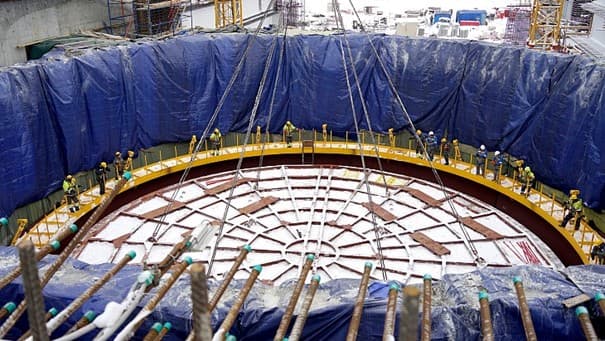
Russia has shut down the second RBMK-1000 unit at the Kursk nuclear power plant. The unit, with an installed capacity of 925 MW, generated more than 250 TWh of electricity since 1979. Two new VVER-TOI units are now under construction as part of the second phase of the Kursk plant and will gradually replace the units being shut down.
Russia’s energy company Rosenergoatom announced that it permanently shut down the second unit of the Kursk nuclear power plant at 4:01 local time on 31 January 2024. The RBMK-1000 unit, with an installed capacity of 925 MW (net), had been in operation since 1979. The facility was originally designed for a 30-year service life, with extensive technical upgrades enabling it to operate for an additional 15 years.
“During its operation, the second unit generated more than 256 billion kWh of electricity. This amount is enough to meet the current electricity consumption of 4.3 million Russian residents throughout the unit’s 45-year service life,” said Alexander Shutikov, CEO of Rosenergoatom.
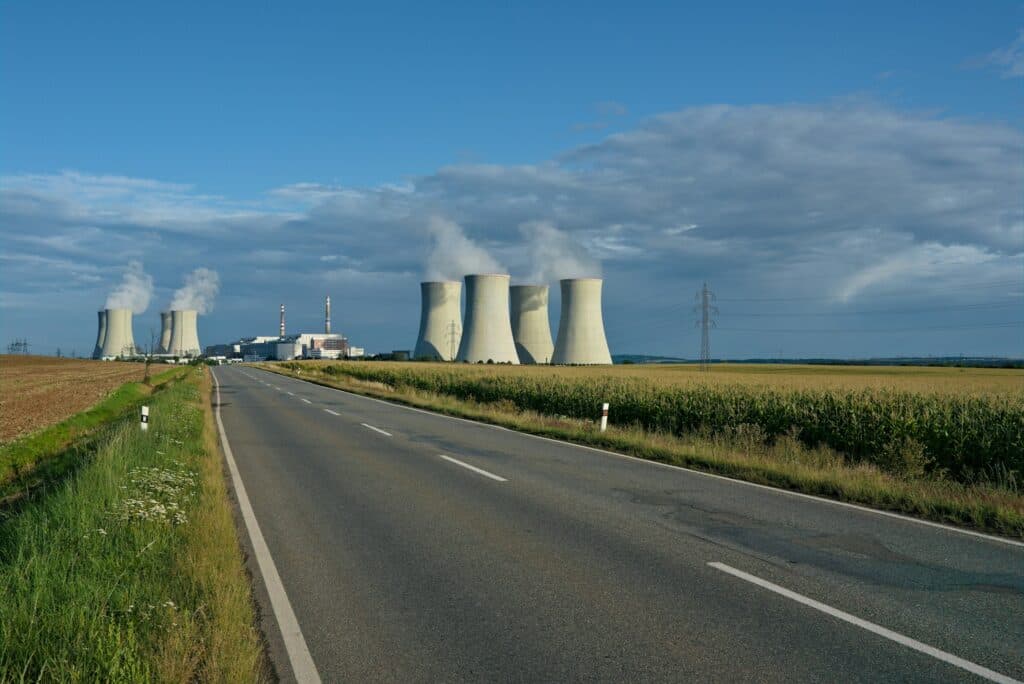
The Kursk nuclear power plant is located in western Russia, near the border with Ukraine. The plant had a total of four RBMK reactors, commissioned between 1977 and 1986. The operator shut down the first unit to enter service in December 2021. The third and fourth units are now the only ones still operating, and are expected to generate electricity until 2029 and 2031, respectively. During its operation, the plant has already supplied more than 1,000 TWh of electricity to the grid.
Replacement as early as this year?
To replace the units being shut down at the Kursk plant, Rosenergoatom began construction of two new units in 2018 and 2019. The first Kursk II unit, of the VVER-TOI type and based on a VVER-1300 reactor, has an installed electrical capacity of 1155 MW (net) and is scheduled to begin generating electricity later this year. It will be the first unit of this type, and Rosatom expects that the reduced number of welds could give it a service life of up to 100 years.
"At the Kursk plant, as at the Leningrad plant, generations of nuclear units are being replaced. Consumers will not notice the replacement of the retired capacity," Shutikov added.
Translation disclaimer
This article is a machine translation of the Czech original and has not yet been fully reviewed. In case of any doubt, please refer to the Czech version.
Sdílejte článek prostřednictvím:
You might also like
31 October 2026, 08:21
30 October 2026, 20:16
30 October 2026, 12:33