10 October 2026, 07:37
Loading...
Small modular reactors in Czechia: the future of clean energy for data centers or a financial trap?
Veronika Jurcová
8 October 2025, 13:35
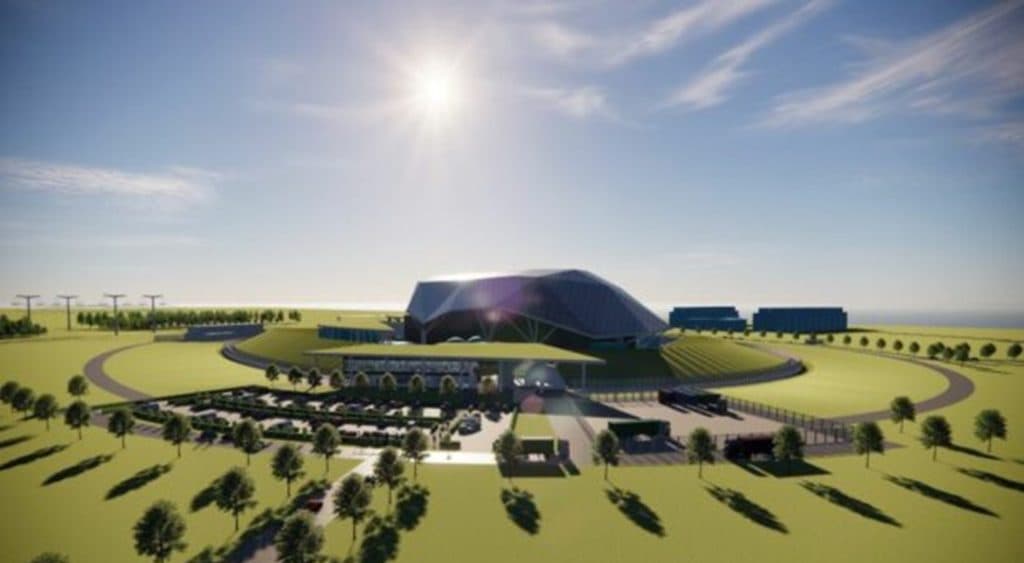
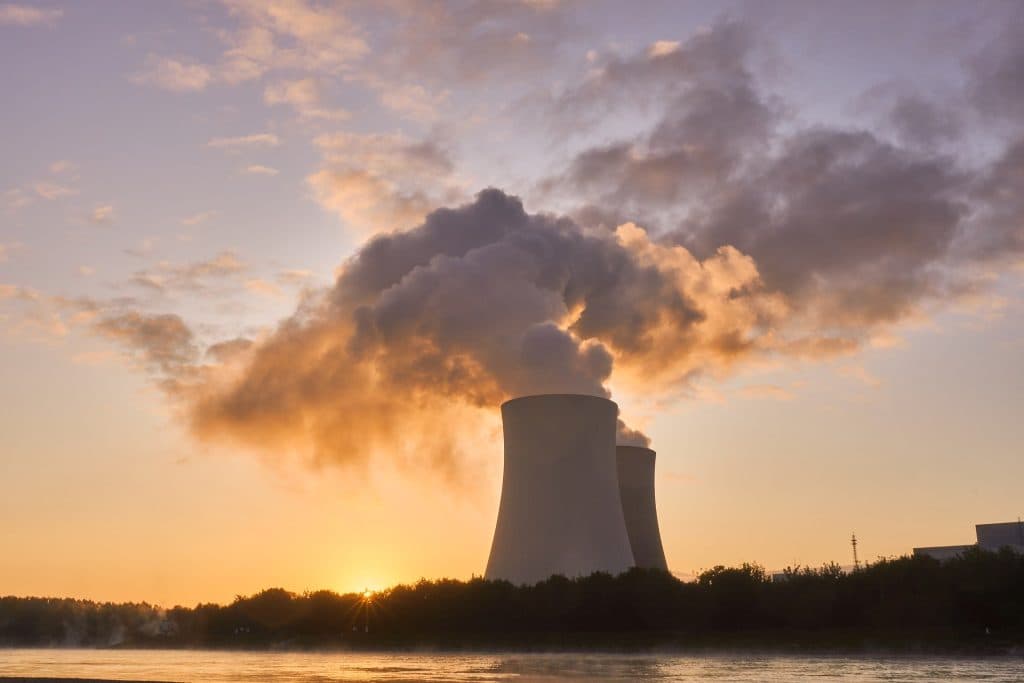
Small modular reactors (SMRs) are meant to offer a clean and reliable source of electricity for data centers, whose consumption is growing rapidly. But the technology faces high costs, and experts warn that it may be too expensive to be competitive, the Financial Times reports.
The United States and private investors are putting growing confidence—and around nine billion dollars—into developing nuclear technology intended to bring together energy security and the growth of artificial intelligence. Small modular reactors (SMRs) are meant to offer a clean and stable source of electricity for data centers, whose consumption is growing rapidly. Experts warn, however, that achieving economic viability will be difficult.
High ambitions, high costs
According to the Financial Times, US government agencies, including the departments of energy and defense, have invested more than six billion dollars since 2019 to support SMR development through grants, loans and partnerships. Private investors have contributed a further three billion.
SMRs are intended to provide smaller, more flexible nuclear power sources that can be mass-produced and located closer to consumers. For technology companies such as Google, Microsoft and Amazon, they represent a potential way to secure clean energy for the data centers that power artificial intelligence.
For now, however, uncertainty remains over whether the technology can become economically viable. NuScale, the first US company to receive a design certification for an SMR, had to scrap its planned project last year after costs more than doubled. The first small reactors in operation in Russia and China also exceeded their budgets by as much as four times.
Analysts at Wood Mackenzie estimate that around 2030, electricity from small reactors could cost about 182 dollars per megawatt-hour in the US, compared with 133 dollars for conventional nuclear plants and 126 dollars for gas-fired power plants. Wind and solar power paired with battery storage are expected to be up to a third cheaper.
Fuel is another obstacle. Most SMRs are expected to use high-assay low-enriched uranium (HALEU), production of which is still largely controlled by Russia. The US currently has just one facility licensed to produce it at scale.
“We need the entire supply chain to be built first,” warns Dimple Gosai of Bank of America.
In her view, higher fuel prices could add up to 20 dollars per megawatt-hour to manufacturers’ costs.
Expectations of falling costs
Supporters of the technology believe, however, that costs will gradually come down as the first commercial projects are developed.
Companies developing SMRs are meanwhile signing their first contracts with utilities and technology giants. More than 32 gigawatts of commitments have been announced since 2023. Some of the agreements are binding, but most are still preliminary. Analysts say even this development signals confidence in an industry that has until now been considered too costly and risky.
Czechia is preparing its first small modular reactor near Temelín
Czechia is also actively involved in developing modular reactors. ČEZ Group and UK-based Rolls-Royce SMR signed an agreement in July to begin preparatory work on the first Czech small modular reactor. It is expected to be built next to the Temelín nuclear power plant in the mid-2030s.
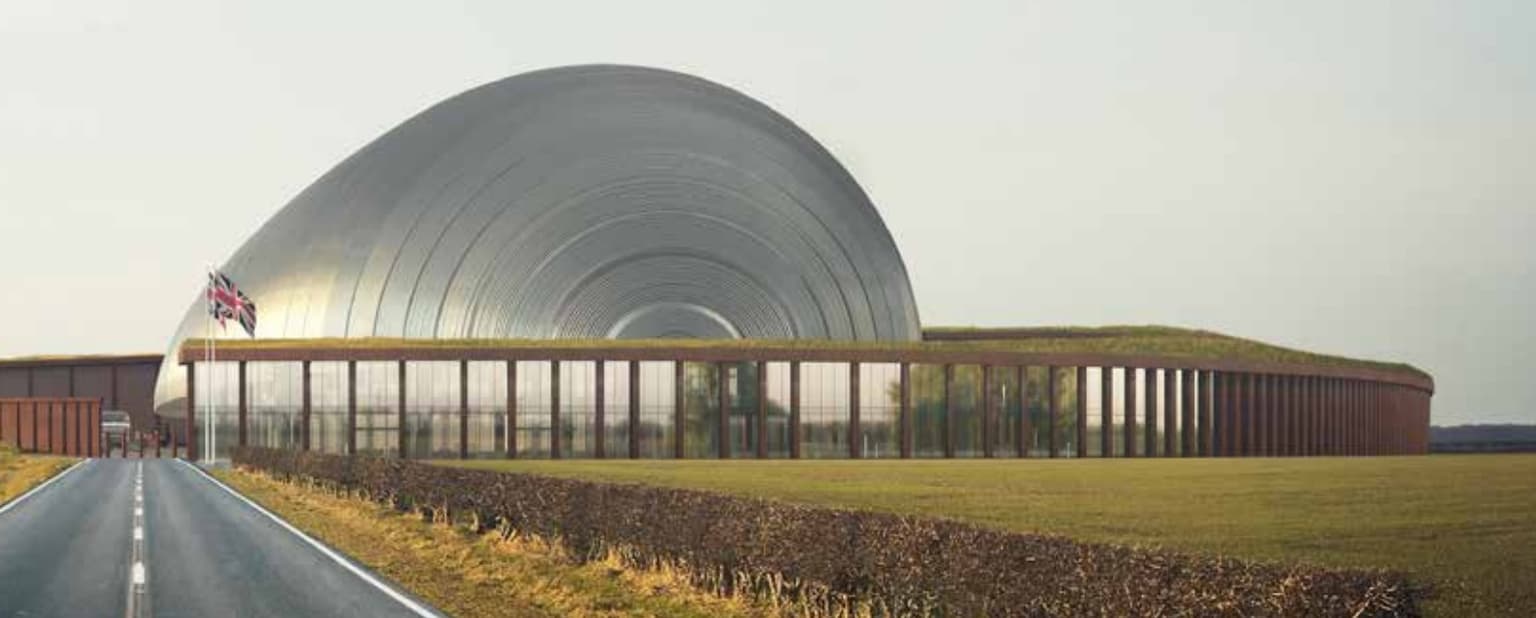
Rendering of a power plant with a Rolls-Royce SMR. Source: Rolls-Royce
Preparations will include obtaining all permits, an environmental impact assessment and construction work. ČEZ has also become a shareholder in Rolls-Royce SMR, with an approximately 20% stake. According to Tomáš Pleskač, head of the New Energy division, the project is intended to lay the foundations for further deployment of modular reactors in Czechia.
The company plans to build reactors with a total capacity of three gigawatts by 2050. In addition to Temelín, ČEZ is considering sites at former coal-fired power plants, including Tušimice, Prunéřov and Dětmarovice.
Translation disclaimer
This article is a machine translation of the Czech original and has not yet been fully reviewed. In case of any doubt, please refer to the Czech version.
Sdílejte článek prostřednictvím:
You might also like

10 October 2026, 07:02


9 October 2026, 13:47