
23 October 2026, 14:38
Loading...
Sweden's deputy PM: EU must not stand in the way of nuclear power

Eduard Majling
2 October 2024, 07:05
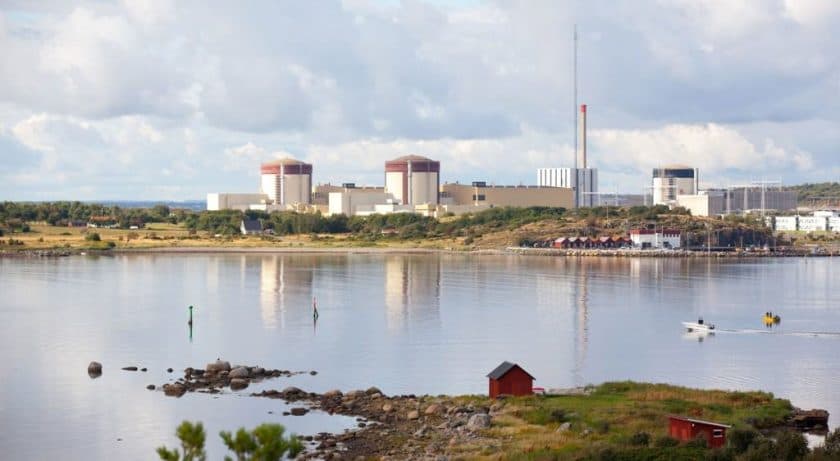
In the wake of the recent energy crisis and volatility in energy commodity prices, some European countries are once again turning to nuclear power. According to Sweden's deputy prime minister and energy minister, this includes most European Union member states. EU institutions, including the European Commission, should therefore not stand in the way of nuclear power, she said. Sweden already has several nuclear units in operation and is planning to build new ones.
Swedish Deputy Prime Minister Ebba Busch recently said that every member state has the right to decide the direction of its energy sector. Some EU member states therefore cannot prevent others from developing nuclear power, she said. According to the deputy prime minister and energy minister, nuclear power is supported by a majority of the Council of the European Union, the grouping of ministers from individual member states.
The European Union has traditionally been reluctant to support nuclear power, according to S&P Global, because of opposition from some member states. These have traditionally included Austria, Germany, Luxembourg and Ireland. However, countries that support nuclear power have recently begun to band together, as illustrated by the so-called nuclear alliance. The group was formed in the spring of 2023, when Sweden held the presidency of the Council of the EU.
"The nuclear alliance is key for Europe. Government support for nuclear power is also key for Europe. Government support for the nuclear sector is very strong in China and the US. Europe must keep pace with them," Busch said.
According to Busch, Sweden plans to add 2.5 GW of new nuclear capacity by 2035. In addition, she said, the country also plans to add new nuclear capacity by 2045 equivalent to the output of 10 large units. This could come from both conventional large units and small modular reactors, she said. Future nuclear power generation in the country could also be supported by extending the operating lives of existing units to up to 80 years.
Busch also said that Sweden is focusing on all the obstacles slowing the development of nuclear power. In addition to regulatory issues, these include the management of highly radioactive nuclear waste.
Translation disclaimer
This article is a machine translation of the Czech original and has not yet been fully reviewed. In case of any doubt, please refer to the Czech version.
Sdílejte článek prostřednictvím:
You might also like


23 October 2026, 11:01


23 October 2026, 06:34