11 October 2026, 08:24
Loading...
Switzerland lifts ban on building new nuclear power plants

David Vobořil
23 June 2026, 06:14
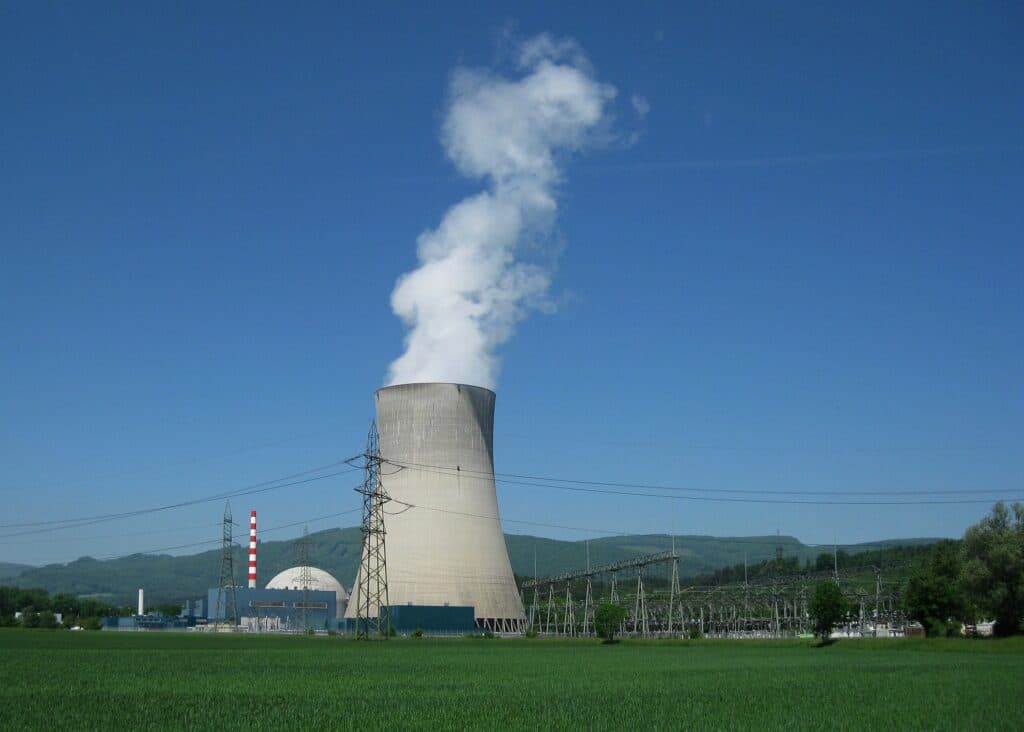
The Swiss parliament approved lifting the ban on building new nuclear power plants, which had been in force since 2017. The move comes in response to expected growth in electricity consumption and concerns about securing supplies, particularly in the winter months. However, no decision has yet been made on whether to build new units.
On Friday, the Swiss parliament approved lifting the nine-year-old ban on building new nuclear power plants. The move is intended to give the country more options for securing enough carbon-free electricity to meet growing demand and reducing its dependence on energy imports.
Switzerland introduced the ban on building new nuclear power plants in 2017, following a referendum on a new energy strategy that was a response to the accident at Japan’s Fukushima Daiichi nuclear power plant. Existing reactors were allowed to continue operating, but no replacement units were planned once they reached the end of their lifetimes.
According to the Swiss government, domestic electricity consumption could rise from around 60 TWh per year currently to 70–80 TWh in 2050. The main reasons are the electrification of transport, heating and industry, as well as continued population growth.
“We cannot do without nuclear energy. In light of future electricity demand, the answer is clear: no,” Energy Minister Albert Rösti told the NZZ newspaper.
Switzerland currently operates four nuclear reactors with a total installed capacity of around 3 GW. These are the two-unit Beznau plant and one reactor each at the Gösgen and Leibstadt plants. Nuclear power plants account for around one-third of Switzerland’s electricity generation.
The country has traditionally relied heavily on hydropower, which accounts for around 60% of electricity generation. In the winter months, however, hydropower’s share of the energy mix falls to as low as 40%.
According to the Swiss parliament, a key factor in changing lawmakers’ views was an expert analysis by the energy ministry, which highlighted risks to future security of supply. The government is expected to publish a detailed assessment of the economic impact of lifting the ban in the coming months.
Lifting the ban does not automatically mean that new nuclear units will be built. Any potential projects will have to go through the standard permitting process, and another referendum cannot be ruled out.
Translation disclaimer
This article is a machine translation of the Czech original and has not yet been fully reviewed. In case of any doubt, please refer to the Czech version.
Sdílejte článek prostřednictvím:
You might also like
10 October 2026, 13:19
10 October 2026, 07:37
10 October 2026, 07:02