The Netherlands' nuclear future: Three reactor designs meet safety requirements

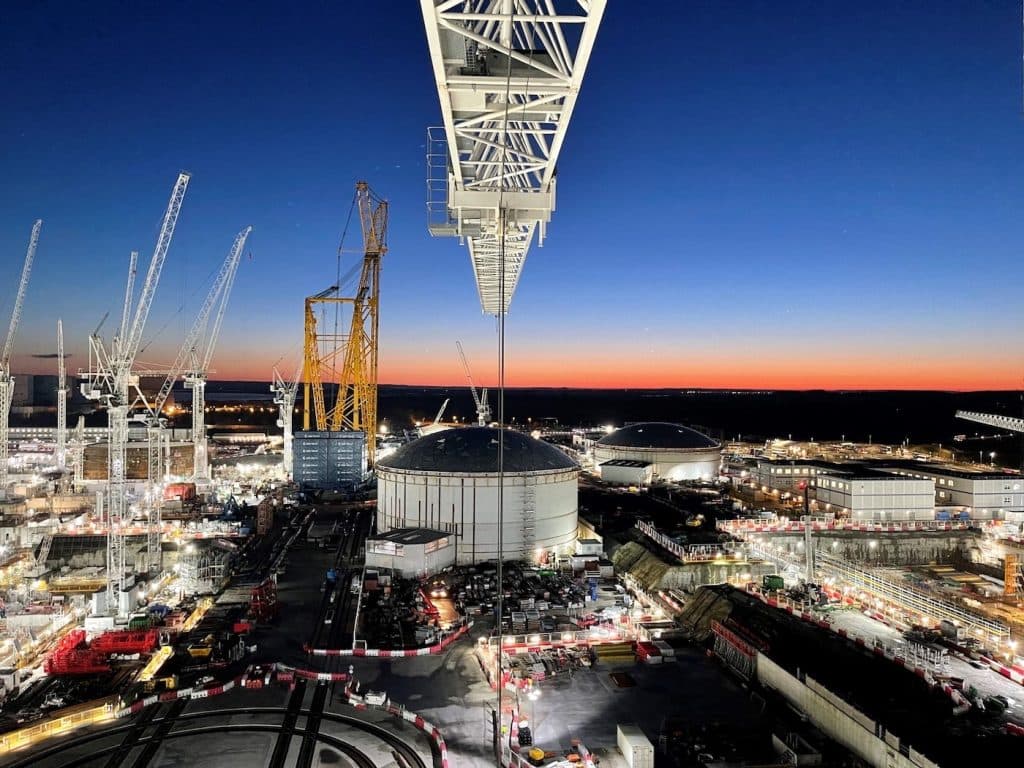
The Dutch Authority for Nuclear Safety and Radiation Protection (ANVS) has published its findings from an assessment of feasibility studies submitted by EDF, Westinghouse and Korea Hydro & Nuclear Power (KHNP). According to ANVS, all three proposed technologies could potentially meet the necessary safety requirements for the construction of two new nuclear units in the Netherlands.
In December 2021, the new Dutch coalition government placed nuclear power at the centre of its climate and energy policy. Under preliminary plans, two new reactors are to be completed by 2035, each with an installed capacity of 1000–1650 MWe. These units are expected to provide 9–13% of the Netherlands’ electricity generation. In December 2022, the government identified the Borssele site as the most suitable location for construction.
Feasibility studies and safety requirements
EDF (France), KHNP (South Korea) and Westinghouse (USA) prepared feasibility studies of their EPR, APR-1400 and AP1000 reactors for the Dutch Ministry of Climate Policy and Green Growth (KGG).
The studies aimed to determine whether the technologies comply with Dutch legislation, assess the suitability of the Borssele site and prepare more detailed cost and schedule estimates. They also assessed environmental impacts. The studies were reviewed by US consultancy Amentum.
ANVS confirmed that all three designs meet the basic safety requirements, although some deviations from the Dutch VOBK guidelines (“Safe design and safe operation of nuclear power plants”) were identified. The manufacturers nevertheless demonstrated that their designs meet the fundamental safety objectives.
Assessment of individual designs
Westinghouse’s AP1000 reactor uses passive safety systems. ANVS stresses that the reliability of these systems will need to be verified in detail in practice. In addition, AP1000 safety documentation is based mainly on US standards, which could lengthen the approval process in the Netherlands because the documentation would need to be adapted.
EDF’s EPR reactor was designed from the outset to meet Western European standards. The reactor has robust but complex safety systems, which present a challenge for the licensing process and oversight during construction. One advantage, however, is that the reactor is already operating or being built in Finland, France and the UK, allowing ANVS to draw on the experience of its European counterparts. EDF must ensure that the newer EPR2 version does not affect the quality of the proposed design.
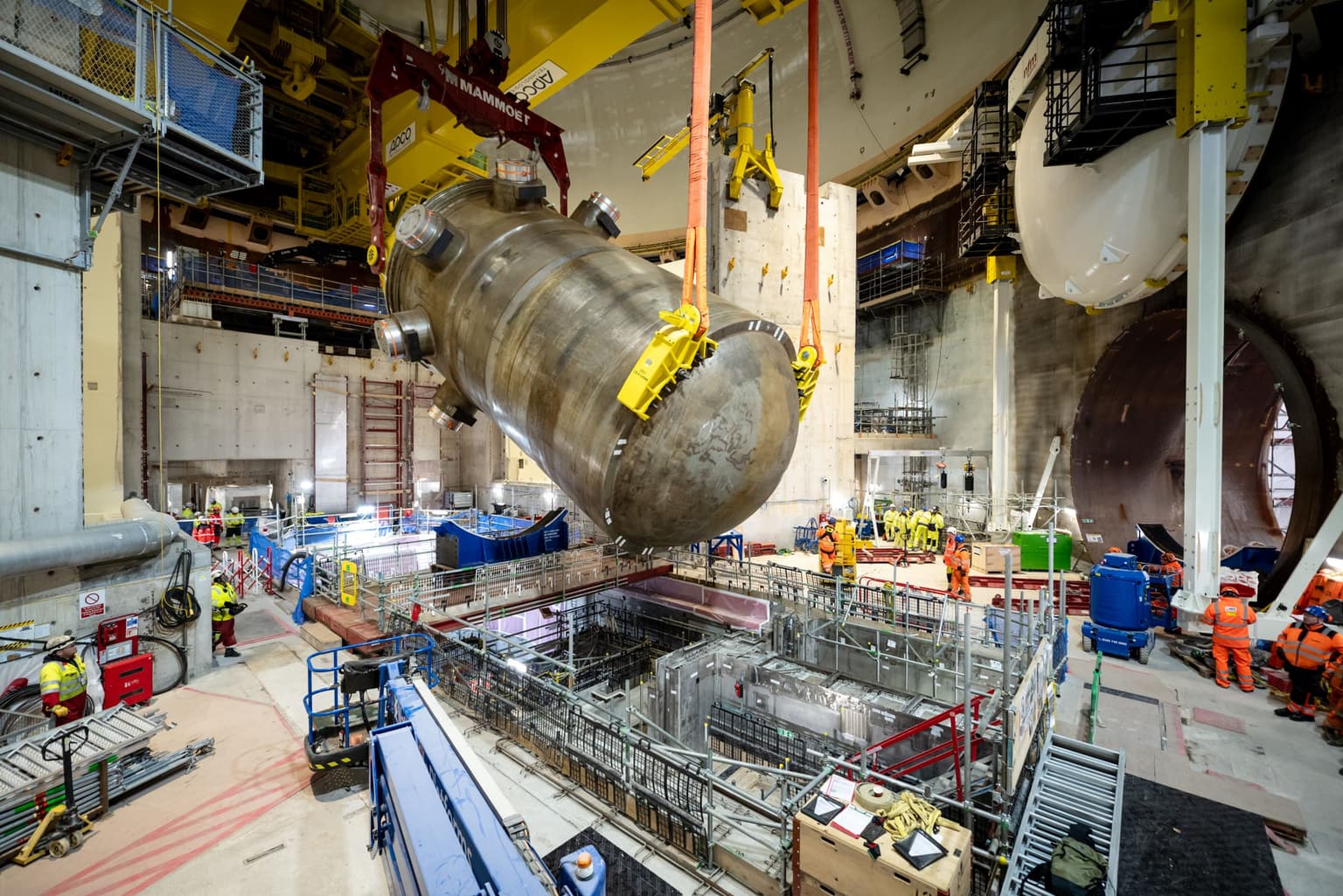
KHNP’s APR-1400 reactor has withdrawn from the competition, but according to ANVS it meets European countries’ expectations. Ensuring quality control and oversight of the manufacture of components, which would be supplied mainly from South Korea, would be a challenge.
ANVS’s final position
ANVS concludes its assessment by stating that none of the submitted designs needs to be excluded from the tender on safety grounds or requires major modifications. The Ministry of Climate Policy and Green Growth can now use this information to make its final choice of the company that will build the nuclear power plant.
The final decision on whether to grant a construction permit will, however, depend on a more detailed assessment of compliance with Dutch legislation and consideration of the specific safety aspects of the selected site.
Translation disclaimer
This article is a machine translation of the Czech original and has not yet been fully reviewed. In case of any doubt, please refer to the Czech version.




