14 October 2026, 09:58
Loading...
Britain tightens environmental rules for North Sea oil and gas extraction: Rosebank and Jackdaw under scrutiny

Libor Láník
21 June 2025, 13:09
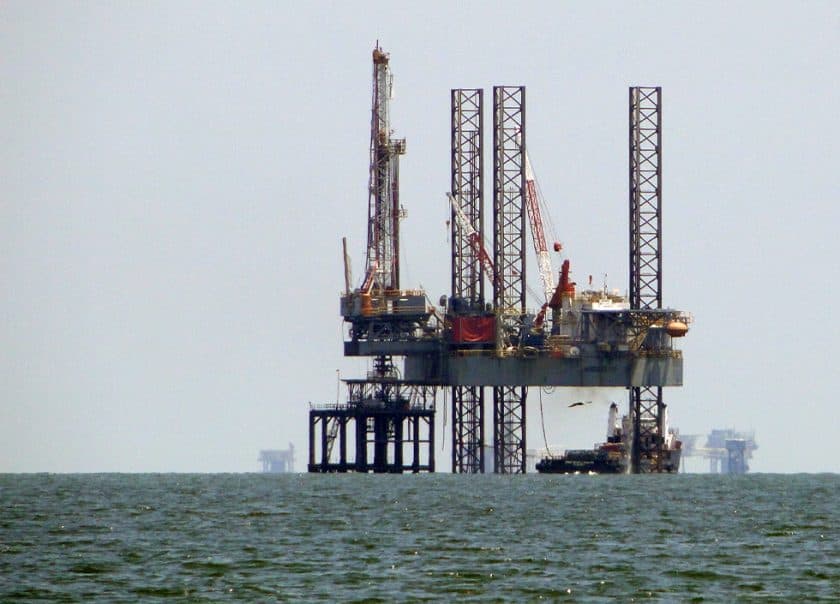
The British government is restarting the approval process for new extraction projects in the North Sea. Operators will now be required to prepare entirely new environmental impact assessments. The changes are also expected to affect two highly controversial fields—Rosebank and Jackdaw. The resulting rules will indicate whether the United Kingdom is serious about its zero-emissions energy ambitions.
Until now, British authorities considered only emissions generated during extraction itself when assessing projects. But they overlooked so-called Scope 3 emissions—greenhouse gases released when the extracted oil and gas are burned. It was this narrow methodology that allowed the Rosebank and Jackdaw fields to receive their original approvals.
The process was challenged in court, however, and a ruling found that the licences granted to Equinor (Rosebank) and Shell (Jackdaw) were unlawful because they did not account for the full carbon impact of extraction. The projects must therefore be reassessed, including in the context of their full climate impact.
Although the Labour Party has pledged in its manifesto to stop issuing new licences, Rosebank and Jackdaw already have their approvals. Work at the sites is therefore continuing in the meantime, but extraction cannot begin until new environmental approvals have been granted.
The industry has criticised the ruling as unfair. It argues that, unlike the automotive sector, it cannot reduce emissions in the same way, and stresses that natural gas will remain part of the UK energy mix for decades to come.
Climate advocates, however, argue the opposite. According to Tessa Khan, executive director of the Uplift group, “oil and gas companies will finally be forced to acknowledge the scale of the damage they are doing to the climate”. On Rosebank, where Equinor can apply for approval again, she said: “The project is clearly incompatible with the UK’s climate commitments.”
The government’s decision will therefore show whether it prioritises economic incentives or scientific recommendations—and how seriously it takes its climate targets.
Rosebank and Jackdaw
Both fields are located off the coast of Scotland. Rosebank lies north of Shetland, while Jackdaw is east of Aberdeen. Rosebank is estimated to hold 300 to 500 million barrels of oil and is considered the largest undeveloped oilfield in UK waters. Its main investor is the Norwegian state-owned company Equinor, which received a licence in autumn 2023 and holds an 80% stake in the project.
Jackdaw, a gas field owned by Shell, was initially approved by the UK regulator in summer 2022 under the previous Conservative government. Its reserves are estimated at 120 to 150 million barrels of oil equivalent. Shell says the field could produce up to 40 000 barrels per day at peak production.
Translation disclaimer
This article is a machine translation of the Czech original and has not yet been fully reviewed. In case of any doubt, please refer to the Czech version.
Sdílejte článek prostřednictvím:
You might also like

13 October 2026, 20:19
13 October 2026, 16:07
13 October 2026, 15:54