12 October 2026, 10:27
Loading...
Fico: Oil deliveries to Slovakia via Ukraine will not resume in February

oEnergetice.cz, ČTK
25 February 2026, 15:22
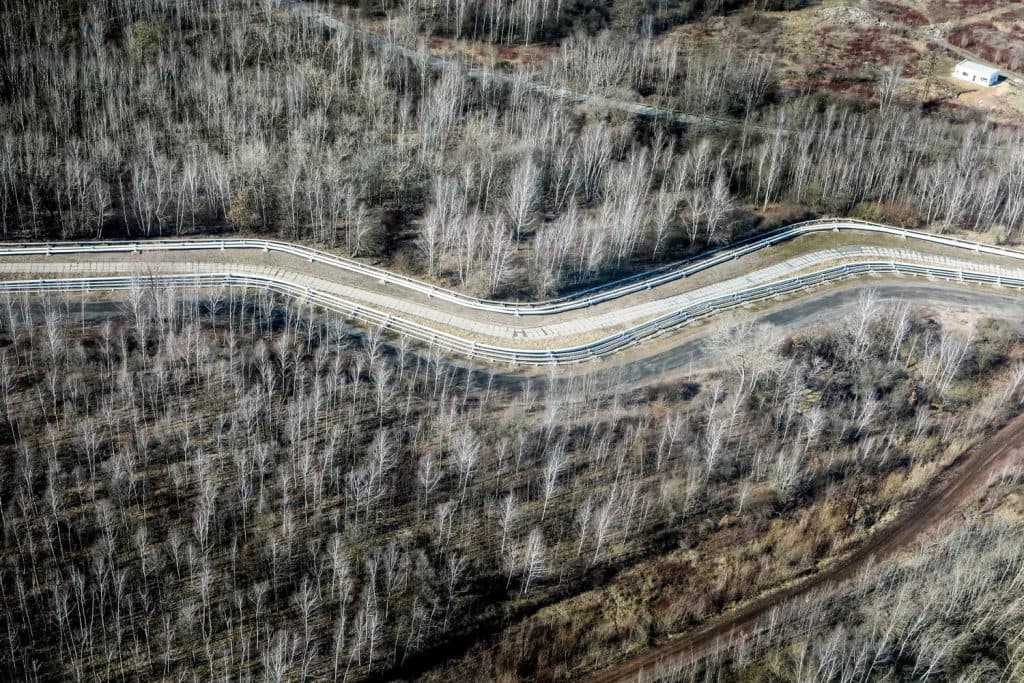
Bratislava/Budapest/Kyiv, 25 February (ČTK) - Oil deliveries to Slovakia via Ukraine through the Druzhba pipeline are not expected to resume until March, Slovak Prime Minister Robert Fico told reporters today, citing the latest information. He again criticized Ukraine for failing to resume deliveries, although, he said, the pipeline is not damaged. According to Fico, Bratislava is ready to introduce further retaliatory measures. Hungarian Prime Minister Viktor Orbán accused Ukraine of potentially trying to disrupt Hungary’s energy system and ordered increased protection for critical infrastructure.
Oil transit through the Druzhba pipeline to Slovakia and Hungary has been suspended following January attacks on Ukraine’s energy infrastructure. Since last week, the Slovak government has repeatedly warned that Kyiv keeps postponing the date for resuming oil deliveries, most recently to this Thursday. Fico said the pipeline could be used to transport crude.
“The latest information is that no oil will arrive during February. The earliest possible date is 3 March,” Fico said.
In this context, he criticized Ukrainian President Volodymyr Zelenskyy, who, according to Fico, has no intention of allowing oil transit at all.
European Commission (EC) President Ursula von der Leyen asked Ukraine on Tuesday to speed up repairs to the damaged Druzhba pipeline, Slovak media reported. Zelenskyy said today that Ukraine had been advised to repair the pipeline, but added that “it can’t be done that quickly,” Reuters quoted him as saying.
Slovak Prime Minister Fico also said Ukraine’s aim was to harm Hungarian Prime Minister Viktor Orbán ahead of Hungary’s parliamentary elections in April. Budapest opposes Kyiv’s aspirations to join the EU.
Fico said Ukraine would “damn well feel” the end of Slovakia’s emergency electricity supplies if it needed power to stabilize its grid. Kyiv imports electricity following Russian attacks on Ukraine’s energy infrastructure. According to available information, electricity transmission from Slovakia to Ukraine has not been halted. Fico did not specify what further retaliatory measures Bratislava might take against Ukraine over the suspended oil deliveries.
In a video released after a meeting of the National Defence Council, Hungarian Prime Minister Orbán said the unprecedented suspension of Russian oil supplies through the Druzhba pipeline was due more to political than technical reasons. “The Ukrainian government is putting pressure on Hungary and Slovakia through an oil blockade,” he said.
Information from security services suggests that Ukraine could take further action, the Hungarian prime minister said, adding that he had ordered increased protection for critical energy infrastructure. “This means deploying soldiers and equipment around key energy facilities to prevent attacks,” Orbán said. Police presence will also be increased at power plants, substations and other facilities, and a drone-flying ban will be imposed in the county bordering Ukraine. “Hungary will not be blackmailed,” the prime minister stressed.
Orbán is trying to convince voters ahead of April’s parliamentary elections that Hungary’s greatest threat is not economic stagnation, the focus of his main election rival, but neighboring Ukraine, the AP news agency writes. According to the agency, the Hungarian prime minister is running an aggressive campaign rife with disinformation, whose central message is that Hungarians should refuse to join the rest of Europe in supporting Ukraine against the Russian invasion. Orbán has described the elections, called for 12 April, as a ruthless choice between war and peace. He accused the opposition of dragging the country into the war raging in a neighboring country, Reuters reported.
Last week, Slovakia declared an oil emergency, and the government earmarked up to 250.000 tonnes of oil from state reserves for the Bratislava refinery Slovnaft, which is owned by Hungary’s MOL Group. Slovnaft has begun arranging alternative oil supplies via the Adria pipeline, which runs from Croatia to Hungary and Slovakia.
Slovakia and Hungary have long imported oil from Russia. Czechia is no longer dependent on Russian oil.
Translation disclaimer
This article is a machine translation of the Czech original and has not yet been fully reviewed. In case of any doubt, please refer to the Czech version.
Sdílejte článek prostřednictvím:
You might also like

12 October 2026, 07:40

11 October 2026, 20:09

11 October 2026, 08:24