23 October 2026, 14:38
Loading...
Oil stocks and transport in Czechia
Dian Hrozek
17 June 2017, 08:41
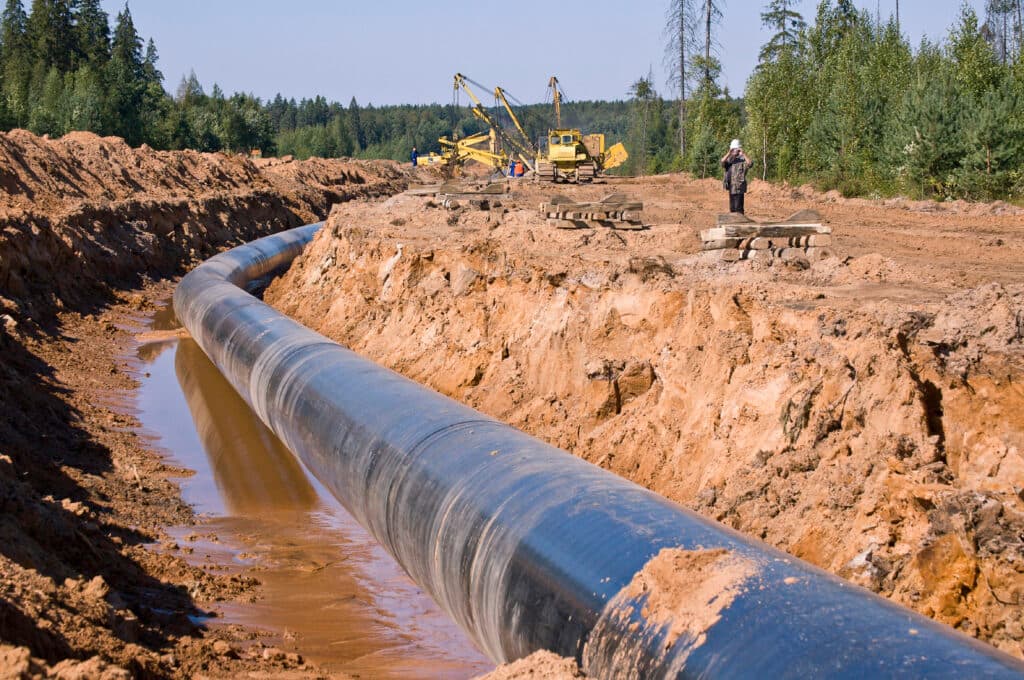
The current energy situation favours the building of stocks for unforeseen situations such as natural disasters or international conflicts. Following a series of events that led to supply problems, the EU adopted a regulation requiring each country to ensure stocks of crude oil and petroleum products for at least 90 days. The following paragraphs discuss how crude oil is stored in Czechia, where it is held and how it reaches the country.
Natural gas, coal, crude oil and petroleum products (such as diesel or petrol) can be stored in large quantities. This is a major advantage of these commodities compared with electricity, whose commercial large-scale storage has not yet been mastered to any great extent. Today, the largest “stores” of electricity, pumped-storage hydropower plants, can generate electricity for only a few hours.
Stockpiling authority
In Czechia, the Administration of State Material Reserves (SSHR) is responsible for storing important commodities. It is an authority that stores strategic reserves for the entire country in its own or leased facilities. In addition to crude oil, it stores petrol, diesel, aviation fuel, heating oils, certain metals, food, agricultural crops and some manufactured goods.
For the storage of various commodities, SSHR uses third-party companies that provide the safekeeping. In the case of crude oil, the authority uses a thirty-year contract with MERO (International Pipelines), which stores the necessary state reserves in tanks near the municipality of Nelahozeves. The storage of diesel and other fuels for SSHR is handled by ČEPRO, whose storage tanks are located at 17 sites across Czechia. A separate article discusses gas storage facilities in detail.
MERO
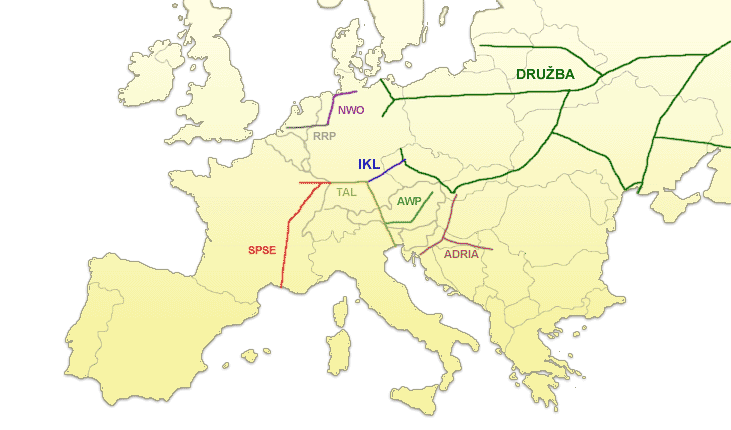
MERO is a joint-stock company wholly owned by the Ministry of Finance. In Czechia, it owns and operates the IKL and Druzhba oil pipelines, holds strategic crude oil reserves, and is the exclusive transporter of crude oil into Czechia and to the refinery in Litvínov. It also holds a 5% stake in TAL Group, which manages the 753 km-long TAL pipeline that transports crude oil from the port of Trieste to Central Europe (Germany, Austria and Czechia).
The company’s economic figures for 2016 look very good.
| Total assets | CZK 11.5 billion |
| Loans | CZK 0 |
| Revenues | CZK 1.7 billion |
| Net profit | CZK 326.8 million |
| Number of employees | 112 |
Selected economic indicators of MERO for 2016
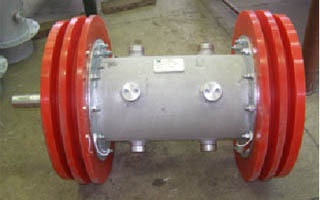
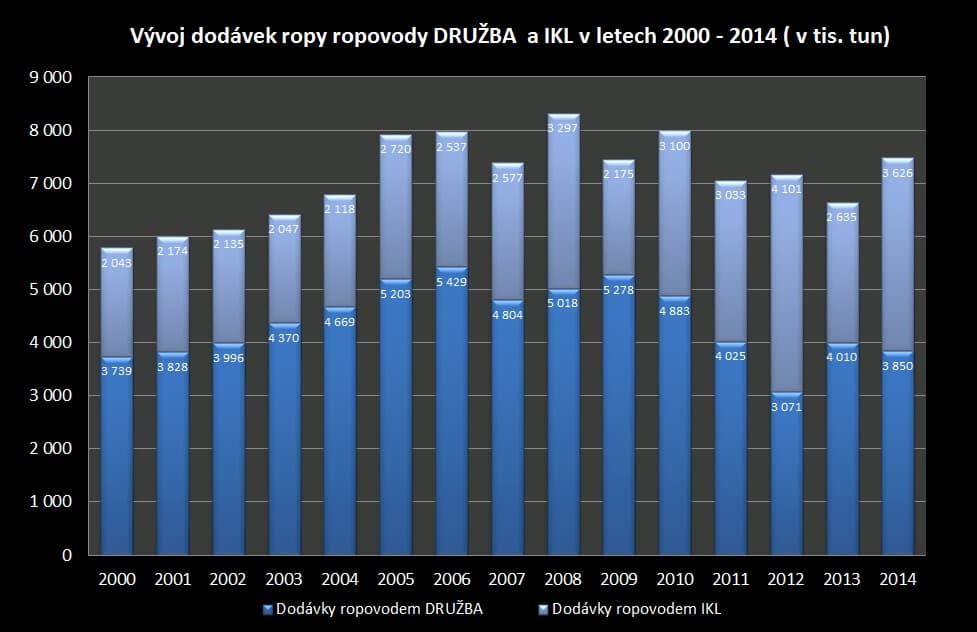
Crude oil reaches Czechia from two directions. From the east, Russian crude oil flows through the Druzhba (Friendship) pipeline, while from the west Czechia is connected by the IKL (Ingolstadt – Kralupy nad Vltavou – Litvínov) pipeline to the TAL pipeline, which supplies crude oil from the port of Trieste. The pipelines are laid shallowly underground at a depth of around half a metre, and a protective zone has been established around them. Their entire routes are regularly inspected by aircraft flying at low altitude.
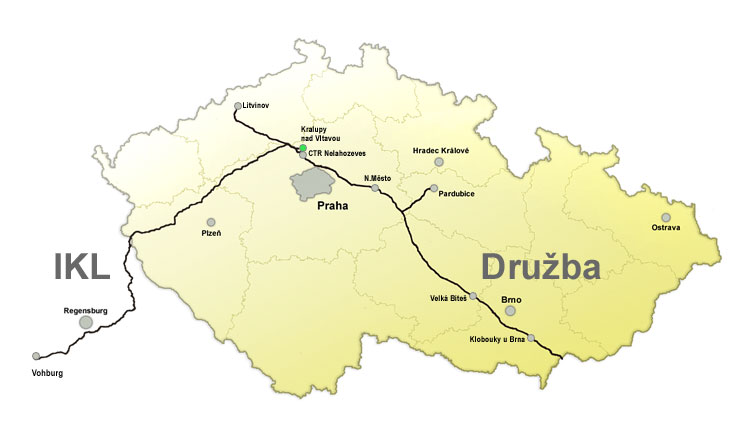
Druzhba oil pipeline
The Druzhba pipeline was the first oil pipeline to run through Czech territory. It reached Bratislava in 1962 and was extended to Záluží near Most in 1965. Between 1999 and 2003, the pipeline was upgraded to the standard of the newer IKL pipeline.
| Total route length | 5100 km |
| Total route length in Czechia | 357 km |
| Annual transport capacity | 9 million tonnes |
| Pipeline volume | approx. 101 318 m 3 |
| Flow velocity in the pipeline | approx. 1.0 – 1.4 m/s |
Technical data for the Druzhba oil pipeline
A so-called “smart pig” is used for internal pipeline inspection. Carried through the pipeline by the flow of crude oil, it uses its sensors and transmitter to detect defects in the pipeline.
However, deposits build up in the pipeline during operation, so it must be regularly “cleaned”. This is done using a so-called “cup pig”, which, like the smart pig, is carried through the pipeline and prevents deposits from accumulating in it.
IKL oil pipeline
The IKL pipeline is the newer of the two pipelines, and its name is derived from the places it connects: Ingolstadt, Kralupy nad Vltavou and Litvínov. Although the pipeline actually runs from Vohburg an der Donau (Germany) to Nelahozeves (Czechia), the IKL abbreviation is well established and is therefore commonly used to refer to the pipeline.
| Total route length | 347 km |
| Route length in Czechia | 168 km |
| Annual transport capacity | 10 million tonnes |
| Pipeline volume | approx. 140 000 m 3 |
| Flow velocity in the pipeline | approx. 0.5 – 1.2 m/s |
Technical data for the IKL oil pipeline
The pipeline project originated in 1990, when, due to the economic instability of extraction companies in the former Soviet Union countries, the government feared a possible halt in crude oil supplies. A project was therefore launched to connect to the Western European pipeline network. Construction of the pipeline itself was relatively rapid. The pipeline was built and commissioned between 1993 and 1995. MERO was established in 1994 and has operated the pipeline ever since. Construction of the pipeline was also linked to the construction of the Central Crude Oil Tank Farm (CTR) in Nelahozeves.
Nelahozeves Central Crude Oil Tank Farm
Nelahozeves is a municipality of more than one thousand inhabitants located around 20 km north of Prague. The nearby refinery and suitable subsoil were the reasons for building the Central Crude Oil Tank Farm (CTR). Here, SSHR stores Czechia’s strategic crude oil reserves in large-capacity tanks.
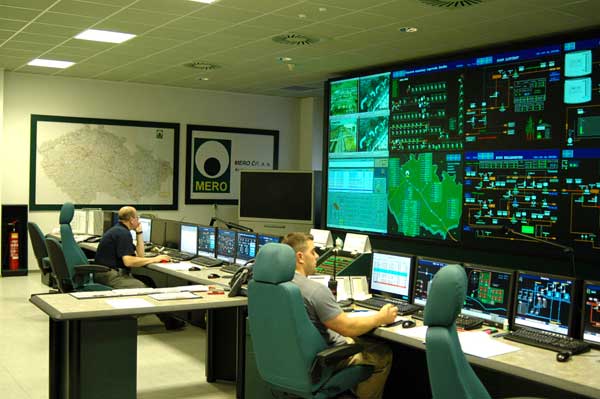
In addition to storing strategic emergency crude oil reserves, the CTR also serves as a short-term intermediate storage facility for crude oil transported through the Druzhba and IKL pipelines, and the local facilities blend different grades of crude oil according to the requirements of the refinery. The entire site is monitored in real time from the control centre. Crude oil movements and stocks are monitored here, and pipeline faults are addressed from here where necessary. The site covers a total area of 59 hectares, and its security is ensured, among other measures, by a double fence around the entire site.
The storage capacity consists of a total of sixteen crude oil tanks, which rank among the world’s largest by size. Four tanks each have a volume of 50 000 m3, six have volumes of 100 000 m3 and another six each have a volume of 125 000 m3.
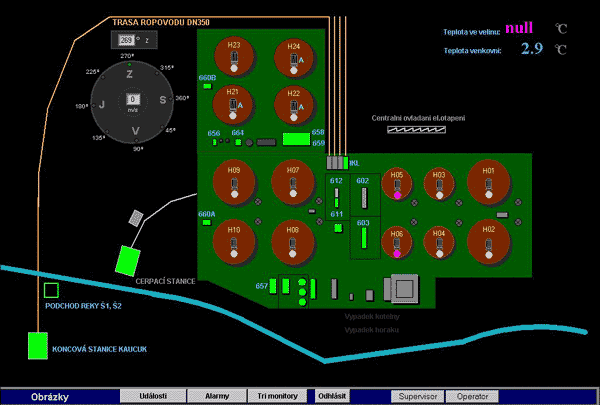
The tanks are above-ground steel tanks with a steel secondary containment basin and floating roofs. The tanks are nearly one hundred metres wide and comparable in height to an eight-storey building. They can withstand a terrorist attack and are equipped with an automatic fire-extinguishing system in case of fire.
The maximum volume of the largest tank, holding 125 thousand cubic metres of crude oil, could supply the Litvínov refinery for a full 9 days. Crude oil can remain in the tanks for up to 15 years, during which it is occasionally mixed to prevent heavier components from settling on the bottom. The earlier mixing system using large propellers inside the tank is now gradually being replaced by unique JET mixer technology, which is more efficient.
Construction of the entire facility took place in three phases from 1993 to 1998, followed by two expansion phases between 2001 and 2008. The cost of building the tanks was in the order of hundreds of millions of Czech crowns. Including the crude oil they can store, the value of one filled tank is estimated at up to CZK 2 billion.
No one doubts the need to build stocks of key commodities, and the Central Crude Oil Tank Farm is therefore one of the most important sites on Czechia’s notional energy map.
Translation disclaimer
This article is a machine translation of the Czech original and has not yet been fully reviewed. In case of any doubt, please refer to the Czech version.
Sdílejte článek prostřednictvím:
You might also like
23 October 2026, 11:01

23 October 2026, 06:34