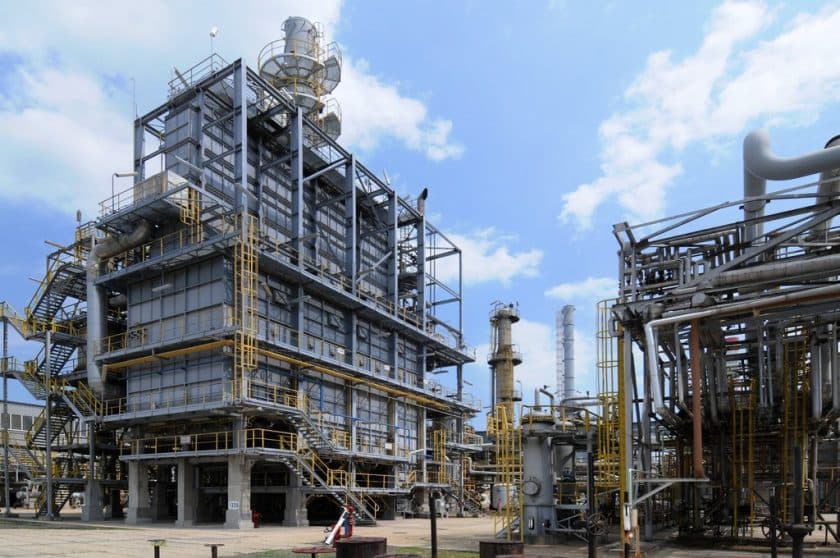
Can consensus be reached on the Czech energy strategy?
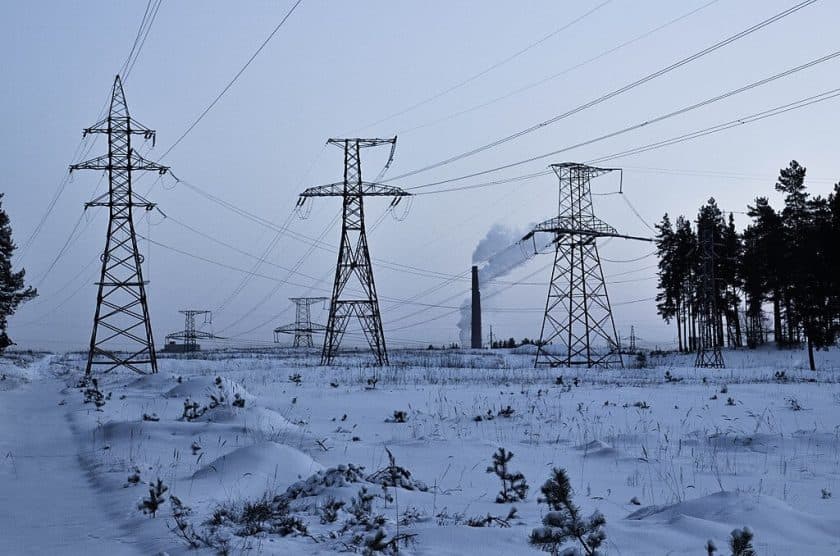
A pivotal period for energy in our region and across Europe is drawing ever closer. It is therefore increasingly important for the Czech Republic to take more radical steps that would enable the transition and modernisation of its energy sector. However, it is clear that consensus has not yet been found and the necessary concrete steps have not been implemented.
Recently, however, a broader willingness to compromise and reach agreement appears to be emerging. One example may be the Shadow Coal Commission's papers on nuclear energy. It is made up predominantly of representatives of environmental activist groups opposed to nuclear power. Nevertheless, it is relatively very receptive to the potential use of nuclear energy in the transition to low-emission energy in the Czech Republic. Naturally, the question is to what extent the proposal represents a consensus within the commission and to what extent it is the view of a particular member. Still, it could signal a shift in priorities and a willingness to seek compromise with the aim of making real progress towards reducing emissions.
What consensus could most likely be reached on
I would therefore try to formulate the basic parameters that define the future path of the Czech energy sector and could form the basis for broader consensus in the Czech Republic. These are several important facts.
There is no doubt that the Czech Republic and Europe as a whole will move away from coal, and there will most likely be growing pressure to move away from other fossil fuels as well and to push for reductions in carbon dioxide emissions. It is therefore necessary to anticipate, for example, rising emissions allowance prices in the European Union and the introduction of further instruments to curb carbon dioxide emissions.
The Czech Republic must therefore increase the share of low-emission sources in its energy mix. It has no windy coastline, and its geographical location and relatively high population density limit the potential for most renewable sources. It must therefore create a diverse energy mix and cannot rely on a single dominant source, as hydropower can be in Austria or Sweden, wind in Denmark, Germany and the United Kingdom, or solar in Spain and Italy.
In the Czech Republic and Europe, pressure to electrify transport and other sectors will grow, while pressure for energy savings and greater efficiency in energy use can also be expected. The impacts of these trends are difficult to estimate, making future energy consumption developments in the country hard to predict.
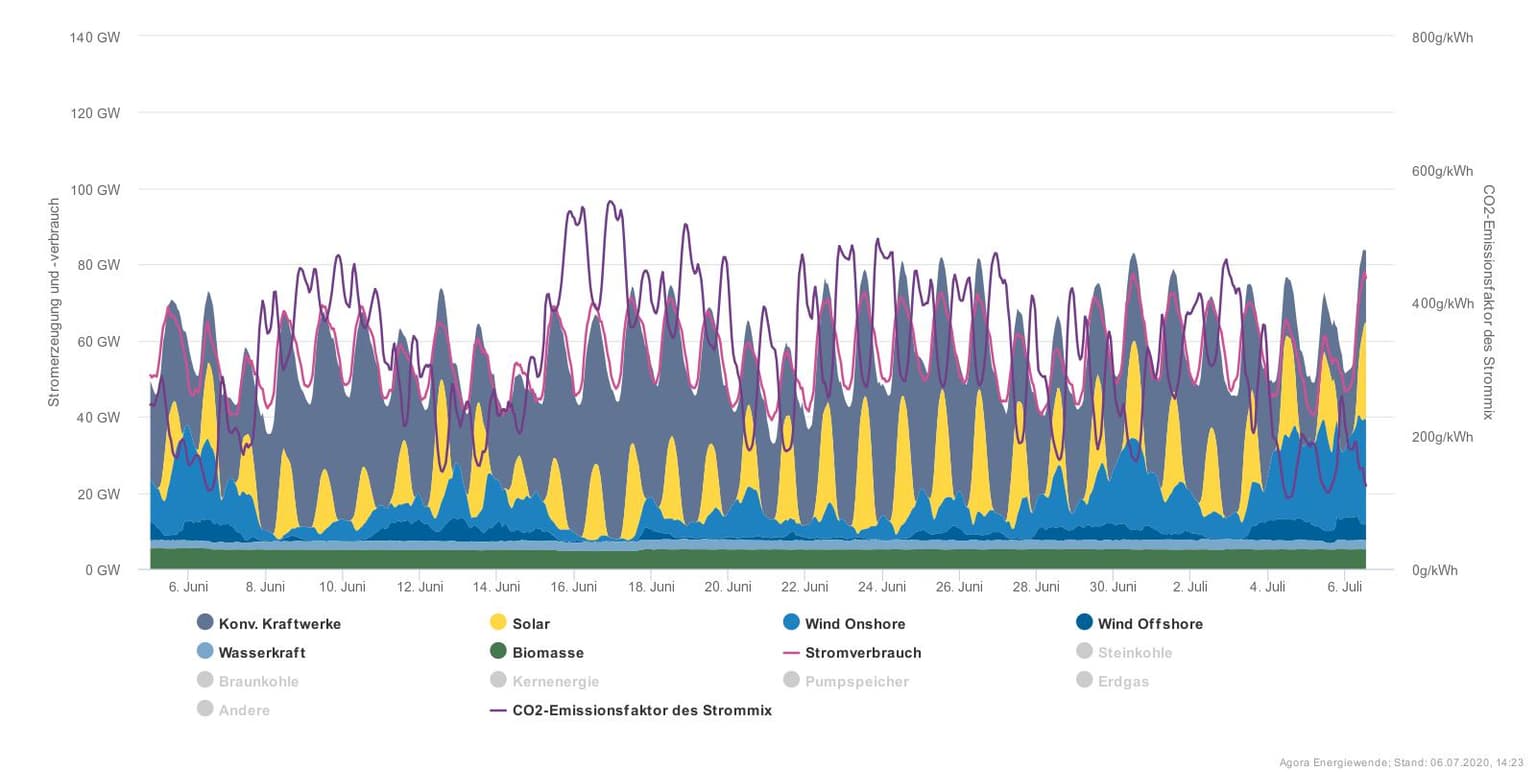
The Czech Republic is strongly integrated into the regional energy system and is predominantly influenced by Germany's energy strategy. It is therefore more appropriate for the Czech energy mix to complement the German one than to replicate it. At times when Germany has surplus electricity generation, this commodity will also be cheap in the Czech Republic.
There is probably also agreement that fossil-fuel electricity should not be exported. The priority should be to reduce coal-fired generation and exports. At the same time, however, unconsidered closures of energy sources and reductions in electricity production must not jeopardise the availability and price of electricity for Czech industry and households. Living standards in the Czech Republic are heavily dependent on industry, and any deterioration in electricity availability and significant rise in its price could also have dramatic social impacts.
In the energy sector, there is simultaneously a trend towards ever greater centralisation on the one hand, while an increasing number of small decentralised sources are being connected to the energy system on the other. An example of the first trend is large wind farms in northern Europe, which generate electricity for consumers hundreds of kilometres away. This creates a need to build very long, extra-high-voltage lines capable of transmitting power in the gigawatt range. Germany, which wants to replace nuclear and coal-fired sources in Bavaria largely with wind energy from the north, is discovering that this is no simple matter. The second trend is represented, for example, by the growing number of photovoltaic installations on building roofs and the need to manage these fluctuating sources, amid rapid changes in generation and consumption by individual small producers and consumers, through a smart grid.
What there is no consensus on
Most experts and the public would probably agree on the points set out above. On the other hand, experts and the public have differing views on which specific low-emission sources should replace retiring coal-fired plants and ageing sources of other types. There is likewise no agreement on what share of centralised and decentralised energy would be appropriate. Nor is there agreement on how quickly and in what form coal-fired units should be closed and other fossil fuels phased out.
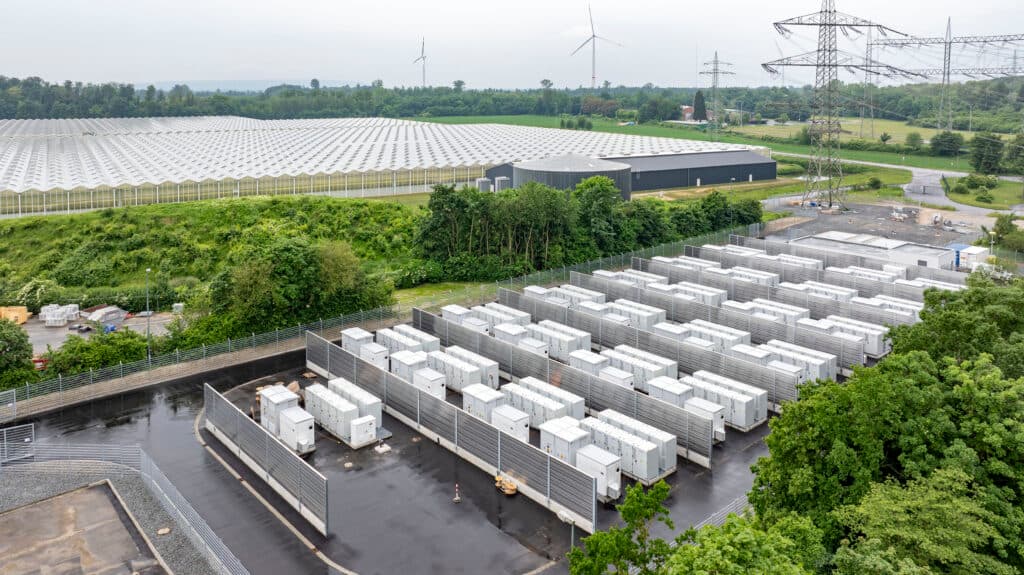
The potential for photovoltaic and wind power depends very strongly on progress in energy storage and the deployment of smart technologies in the energy sector. Similarly, progress in small modular reactors could influence the future extent of nuclear energy use, particularly in decentralised form. It is thus clear that a future technological breakthrough in any of these areas could bring a significant advantage to that segment of the energy sector. It would therefore be desirable for the Czech energy sector to be able to exploit any such breakthrough. However, there is no consensus on when and which technological breakthroughs will occur.
There is also no consensus on how quickly and by what means coal-fired units should be decommissioned, or how and for how long other fossil-fuel sources, especially gas-fired plants, should be used. An even more complex issue, with a range of differing views, is the transformation of technologies providing heat not only to households, especially in the area of district heating sources.
What could and should be resolved on the path to a low-emission mix
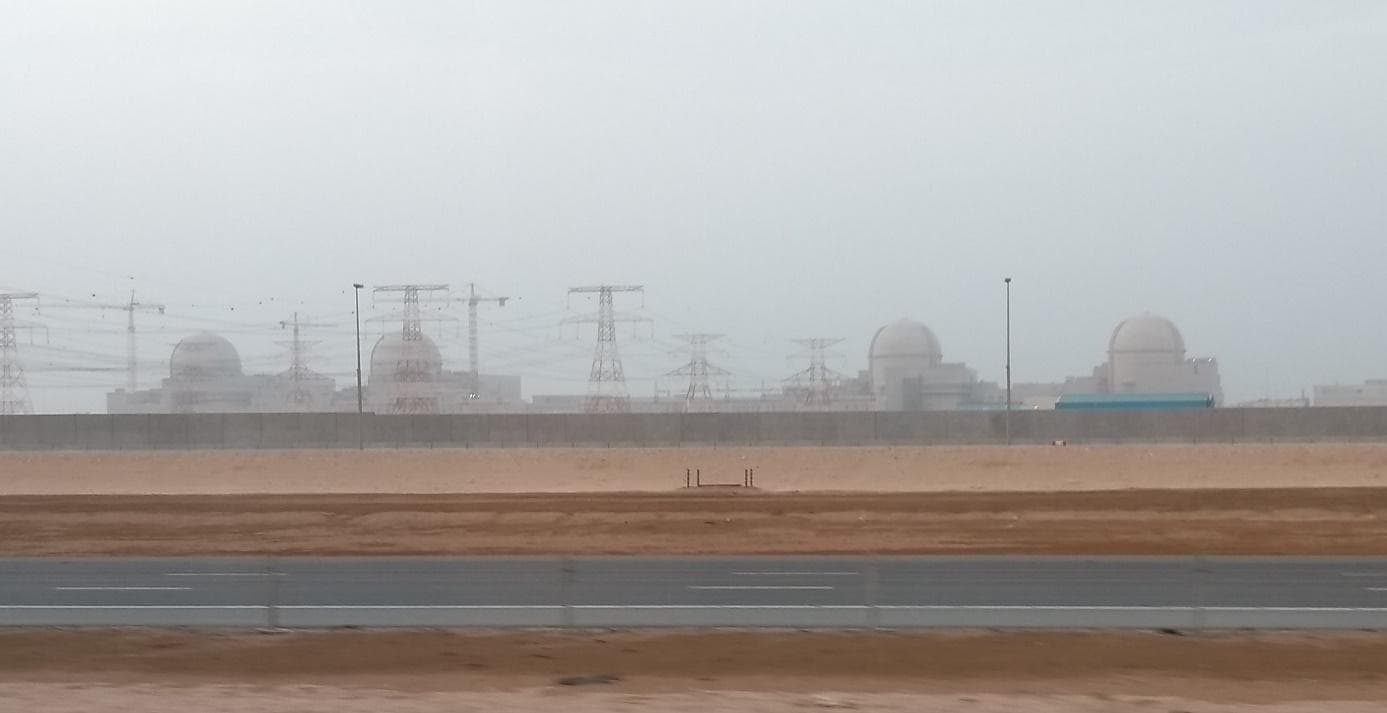
Since the completion of the two Temelín units, preparations for new nuclear capacity have been marked by long-term stagnation. Following the cancellation of the tender to complete Temelín, there is agreement that any further units should first be built at Dukovany. This is because replacements for the existing units should gradually be prepared there. There is relatively broad agreement that the current Dukovany units should operate for a total of fifty or even sixty years. Nevertheless, it is necessary to recognise that work on their replacement should already be under way.
A financing method needs to be found, a supplier selected and construction carried out. The Czech Republic has a long-standing tradition in nuclear energy, and a number of companies are involved in building nuclear technologies. Yet the question remains of how successfully the long gap can be bridged and whether we will be able to deliver the first new unit in the country after such a long time. Construction of one new unit at Dukovany could demonstrate what capabilities we have in nuclear energy. If construction of the new unit proceeds successfully, the experience gained could be used to build further units at Dukovany and Temelín. Based on the experience gained, a potential technological breakthrough in small modular reactors could then perhaps be used in the more distant future.
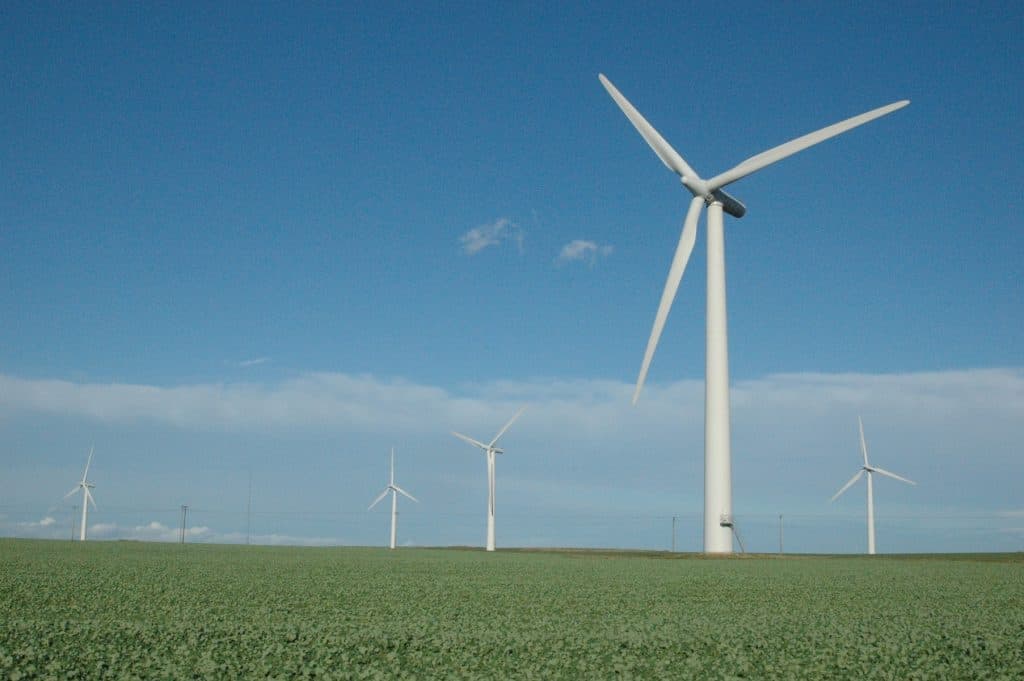
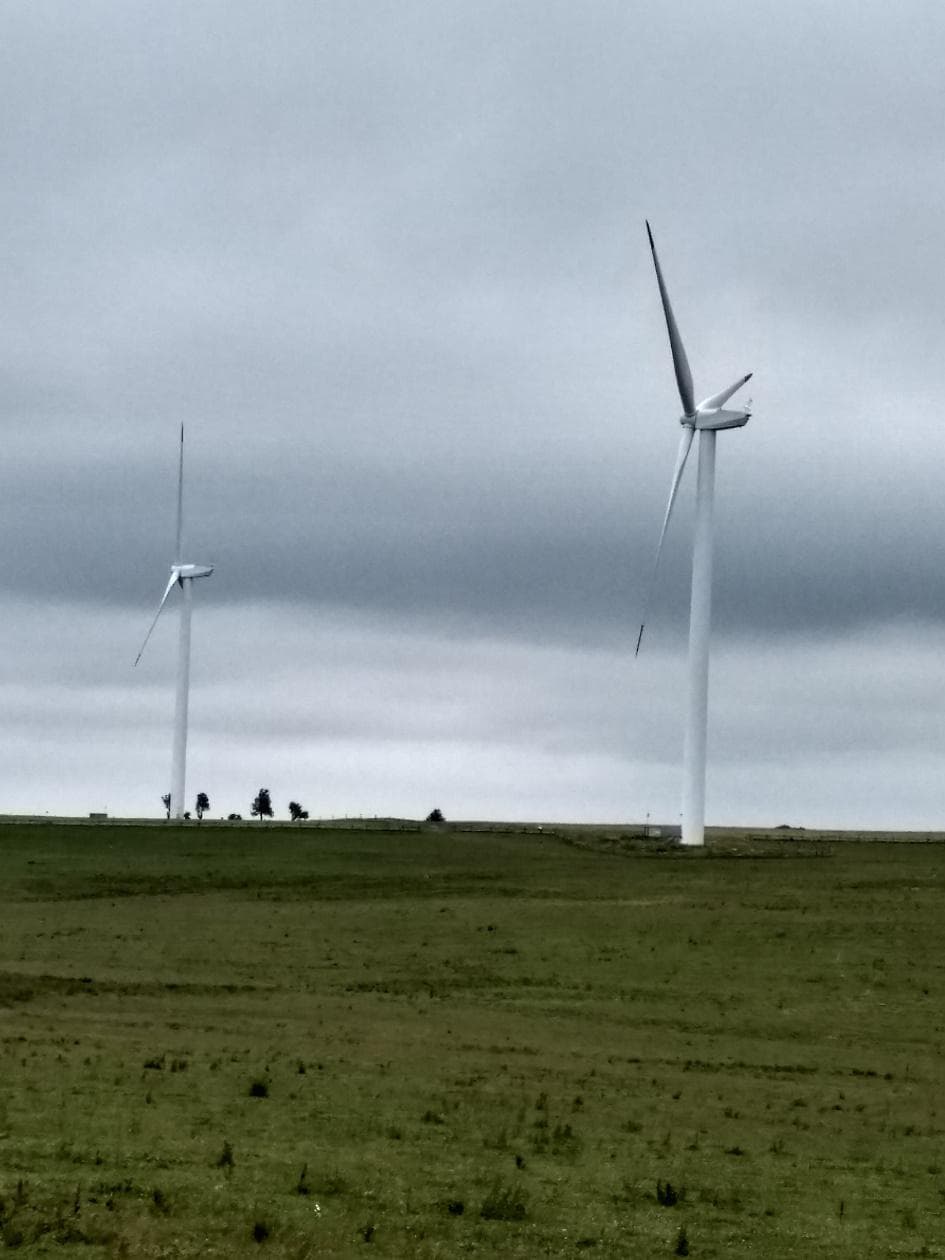
Wind power has remained stagnant for a long time, with virtually no new wind turbines being built, mainly due to opposition from local communities. After a major boom in 2009 and 2010, photovoltaic power plants in the Czech Republic have also been stagnant for a long time. Here too, a suitable financing model needs to be found and the country's real potential in this area demonstrated. Based on the first implemented projects and experience with them, the share of these sources can then be increased.
An effective way must also be found to support energy storage options and smart grid management. Certain options already exist in the current system and can be deployed even before new nuclear units or greater capacity in new renewable sources are available. At the same time, a path should be demonstrated for supporting the greater future use of fluctuating renewable sources in this respect, and for making use of potential technological breakthroughs in renewable sources, energy storage and smart-grid-enabled cooperation.
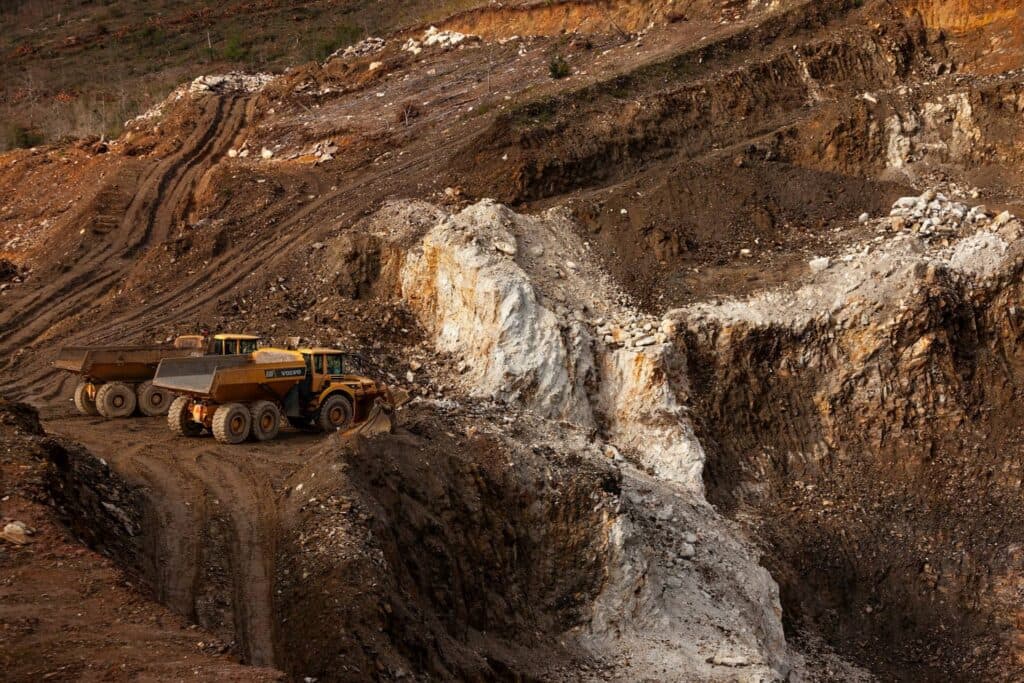
It is clear that for many more years our energy sector will not manage without fossil-fuel sources, including coal-fired ones. It is therefore necessary to ensure that they are used efficiently and environmentally responsibly for Czech needs, and that their electricity is not used for exports. At the same time, their use should clearly place emphasis on cogeneration, the highest possible efficiency and an environmentally responsible approach.
Conclusion
It is clear that within roughly thirty to forty years, we should transition to a predominantly low-emission energy system. In any case, it is evident that in the Czech Republic this will be a mix of renewable and nuclear sources. It is difficult to estimate now exactly how this transition will be implemented and what shares of the individual low-emission sources will be reached.
However, an effective transition and gradual fine-tuning of the energy mix would benefit from achieving at least basic consensus among the broad expert community and the public. So far, unfortunately, it appears that many lobbying groups devote more attention to fighting other sources than to demonstrating the potential and possibilities of their own. Achieving joint support for the projects mentioned, which would demonstrate our capabilities and potential in the relevant areas through real examples, would be a major success. At the same time, it would bring genuine progress on the path to a low-emission mix. Further steps could then be taken on the basis of specific experience in actually building and operating individual sources.
If proponents of different sources and pathways compiled and presented an overview of the obstacles standing in the way of deploying their sources, and helped find a suitable and effective financing model and legal framework to support them, conditions could be created for the first stage of deploying the individual components of our low-emission mix. This first stage would then make it possible to gain experience for subsequent stages.
In the case of fossil-fuel sources, this is mainly about ensuring energy security and covering adequate capacity at times when low-emission sources and batteries are insufficient. A financing model and legal framework must therefore also be found that would support them in this role and limit exports of their energy abroad.
In 2022, all nuclear units in Germany will be shut down, while a large number of coal-fired units in the Czech Republic and neighbouring countries will close over the following few years. There is therefore relatively little time to deploy their low-emission replacements. The timeframe for constructing a new nuclear unit is relatively long, although the Czech Republic has the advantage of construction at prepared and approved sites where public support among local communities is relatively strong. If one considers construction of wind turbines with equivalent capacity, finding a sufficient number of suitable locations and securing the necessary support from surrounding communities and the required construction permits will probably take no less time, quite the opposite.
At the same time, we will have to advance our path towards low-emission energy within the European Union. Broad expert and political agreement on the basic parameters would help significantly. This should include sufficient willingness to compromise. No financing model or legal framework can be ideal and fully satisfy everyone. Broad framework agreement and support for the energy strategy would make it easier for the Czech Republic to negotiate within the European Union. Political parties and activist groups should avoid exploiting this issue for political and ideological conflict.
A sufficient supply of environmentally acceptable energy is a key condition for the sustainable development of our civilisation and society. One of the upcoming conferences of the Equilibrium Institute should therefore be devoted specifically to this issue. It is highly likely to take place on 30 September 2020. Although its focus is more on long-term concepts and visions, such as the next forty years, it should also seek the framework consensus in society described above on the direction of the current vision and identify tools which, according to the experts involved, would help remove obstacles to its implementation. The one-day conference would devote the morning to individual types of sources, their application and cooperation in the energy mix, an overview of the obstacles preventing their most effective deployment in the Czech Republic, and a certain vision of their more distant future. The afternoon would then be devoted to seeking a parallel path towards both the centralisation and decentralisation of the energy sector. It would discuss tools to support energy cooperation over long distances and at high capacities on the one hand, and smart-grid options in micro-regions and the broader application of a concept that could be termed Energy 4.0 on the other.
Note: A general overview of energy issues globally and in the Czech Republic can be gained from the series of articles devoted to this topic (wind power, nuclear power, photovoltaic power, paths to low-emission energy, low-emission scenarios in the Czech Republic, hydropower plants, energy storage and grid regulation, geothermal energy and biomass use).
Translation disclaimer
This article is a machine translation of the Czech original and has not yet been fully reviewed. In case of any doubt, please refer to the Czech version.