23 October 2026, 14:38
Loading...
Strength of Czech energy sector lies in diversification
Pavel Řežábek
12 January 2021, 07:08
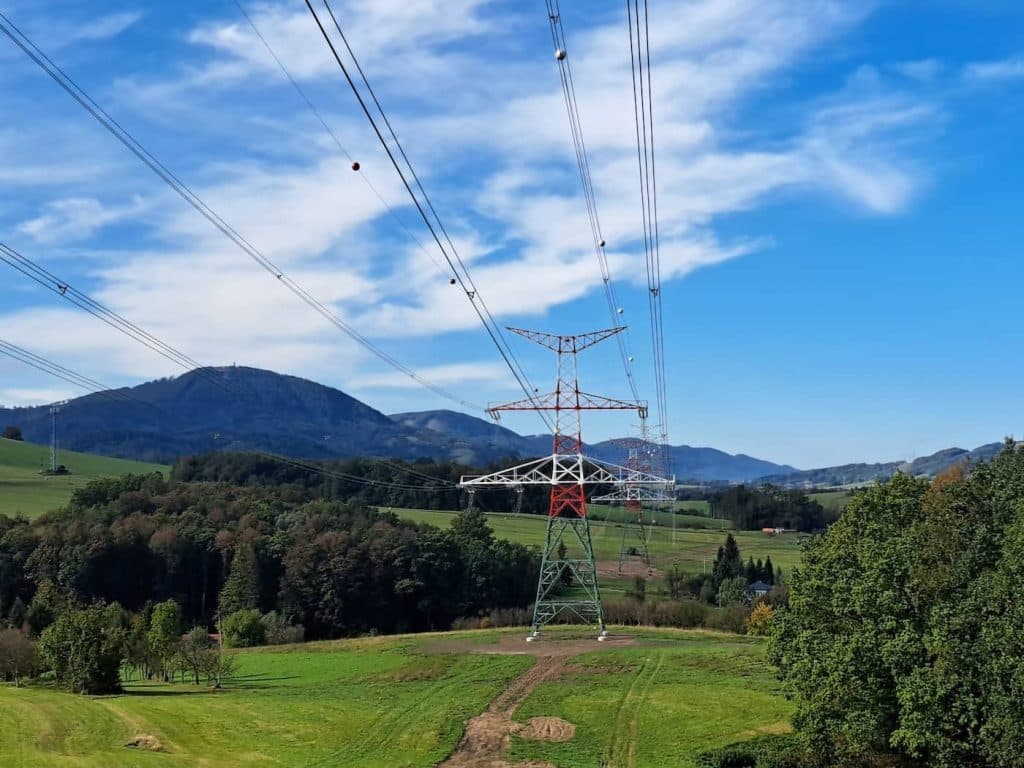
The European Union and other major global economies are striving for climate neutrality, or at least a substantial reduction in greenhouse gas emissions. For Czechia’s energy and geopolitical security, as well as for energy prices, it is important for the energy sector to be diversified and built on three pillars: renewable sources (primarily photovoltaics), nuclear power and, temporarily until 2050, low-emission gas. In the long term, battery storage and the use of hydrogen will play an important role. The year 2050 is the milestone after which it will no longer be possible to operate any emitting sources.
Germany is also building its strategy on three pillars: onshore renewables (photovoltaics and onshore wind), offshore wind and gas. In December, Germany adopted a law under which it aims to generate 65 % of its electricity from renewable sources, 23 % from gas and 12 % from coal by 2030. It is seeking reasonable diversification in doing so: photovoltaics will reach 100 GW, onshore wind 71 GW and offshore wind 20 GW. Generation from hydropower plants and biomass will remain at current levels. After 2030, the role of offshore wind will grow further, as onshore development is becoming increasingly difficult even in Germany. Batteries will play an important role in balancing real-time generation and consumption. In the long term, both the EU and Germany are betting on hydrogen and expect it to become an industrial technology after 2040.
Czechia currently has sufficient domestic capacity and generation thanks to its nuclear and coal-fired power plants. Coal-fired generation is to be phased out by 2038 at the latest. The rapidly rising price of allowances and other legislative pressures (BAT/BREF emission limits issued from 2025 and applicable from 2029, taxonomy) may lead to a substantially faster phase-out than many currently imagine. Czechia therefore needs to decide two important issues quickly: how to ensure sufficient energy and capacity after coal-fired sources are closed, and how to ensure adequate long-term diversification of its energy sources. The Czech energy pathway is thus becoming a race against time rather than a contest between technologies. So what do we need in Czechia?
By 2030, we need to convert district heating from coal to gas. This will ensure heat at an acceptable price, which will be far less sensitive to the price of allowances. Building additional gas-fired sources later, after 2030, makes no sense. To meet climate targets, we would have to close them long before the end of their operating life, because gas – whether we like it or not – is an emitting source and we will have to say goodbye to it in 2050.
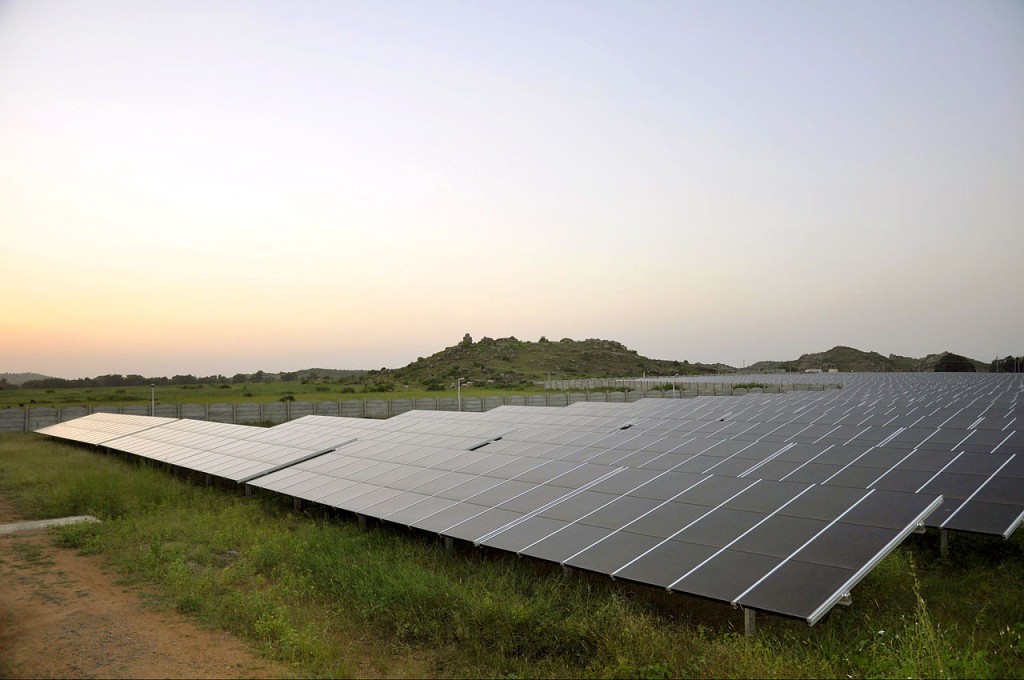
At the same time, we must begin preparing for climate neutrality. We need to build renewable sources in good time to replace coal-fired power plants that are gradually reaching the end of their lives. Like Germany, we can build photovoltaic plants and, to some extent, onshore wind power plants.
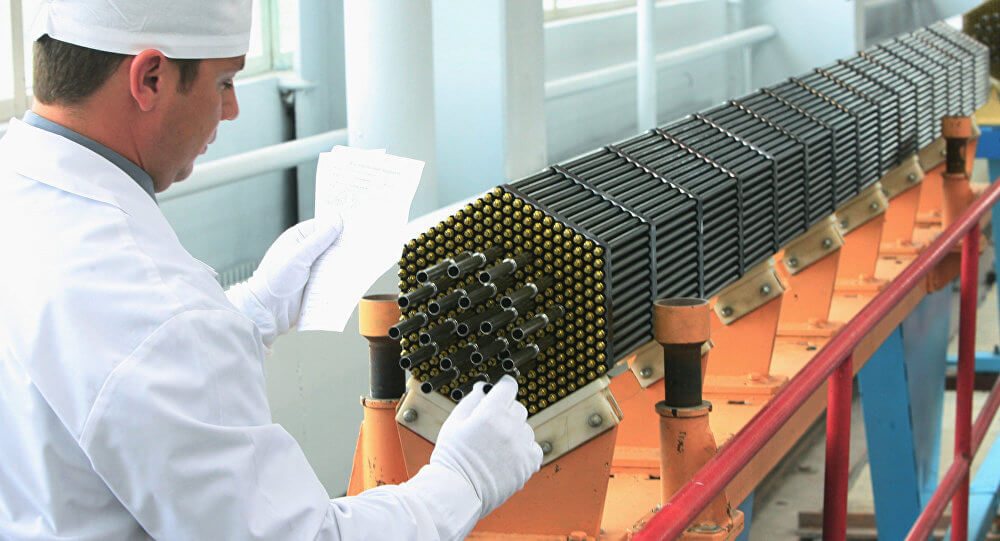
We also need to make final preparations for the construction of a nuclear unit to replace the existing plant at Dukovany. Unlike Germany, we do not have a sea that enables the large-scale use of offshore wind power plants – under our conditions, nuclear power will ensure diversification of sources. Under the current plan, there will only be an overlap of several years in the operation of both plants. However, this does not fundamentally change the situation. Germany, too, is prudently building capacity “in reserve” rather than waiting for an electricity shortage.
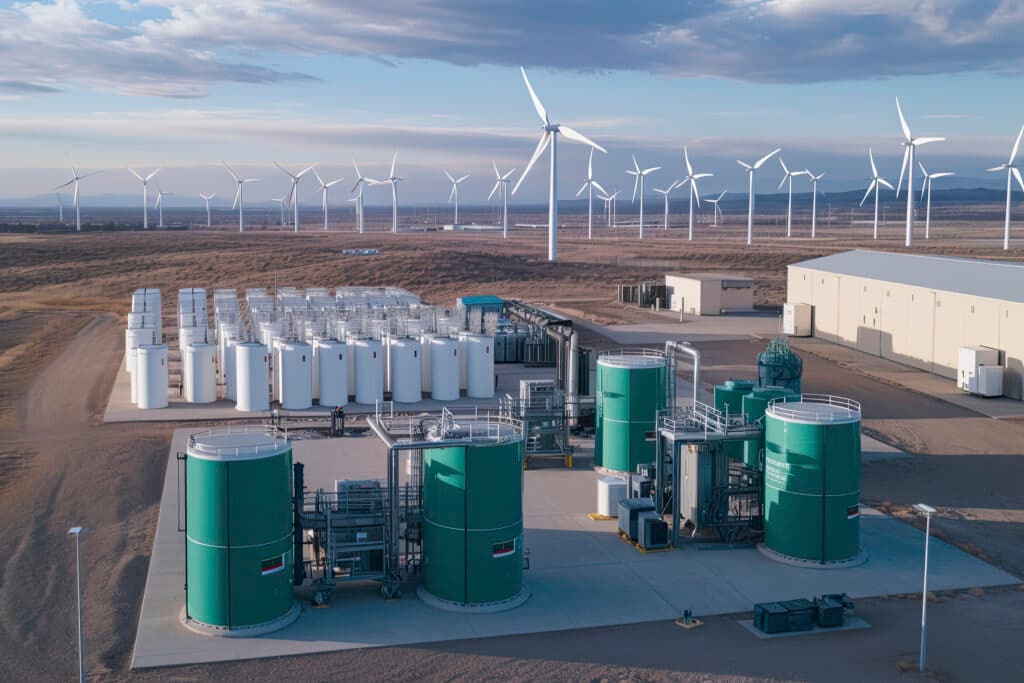
With a significant increase in renewable capacity, it will also be necessary to develop batteries on a large scale. Their use for ancillary services will be enabled by the latest code of ČEPS (the transmission system operator) and further legislation in preparation. It is also necessary to develop the use of hydrogen in the Czech Republic. Looking ahead, alongside the conversion of transport to hydrogen, it is also necessary to prepare its distribution and power sources with hydrogen-ready turbines.
Gas will help us address the period we are entering. Its role will therefore grow, but only temporarily.
The Ministry of Industry and Trade plans to carry out the conversion of district heating to gas. Beyond this conversion, ČEZ is also considering the construction of additional gas-fired power plants. In addition to their lower emissions footprint compared with coal, gas-fired sources offer high operational flexibility, enabling them to balance real-time generation from renewables.
Natural gas is not a universal long-term solution because it has several limitations and risks. I have already mentioned the emissions constraints arising from climate neutrality and the resulting economic limits. Moreover, gas is no guarantee of energy security. Gas storage facilities hold around 40–50 % of Czechia’s annual consumption, so they would last for 5–6 months. For comparison, nuclear fuel stocks last for 2.5–4 years, while renewables are entirely local.
The use of natural gas therefore makes sense only as a temporary solution. As technologies advance, it will be necessary to deploy progressive solutions with high operational flexibility that can balance real-time generation from renewables, such as battery storage and the use of hydrogen.
A great deal of work lies ahead, but we have a major advantage. In fact, two. We know that we need to diversify our sources and how much time we have to do so. At the same time, we have the opportunity to make maximum use of the inflow of European funding, which is intended to contribute to decarbonisation and sustainable development and which has been available, above all, since this year.
Pavel Řežábek, Chief Economist at ČEZ
The commentary was originally published on the ihned.cz website
Translation disclaimer
This article is a machine translation of the Czech original and has not yet been fully reviewed. In case of any doubt, please refer to the Czech version.
Sdílejte článek prostřednictvím:
You might also like
23 October 2026, 11:01
23 October 2026, 06:34