China opens a new route for Russia to export sanctioned gas
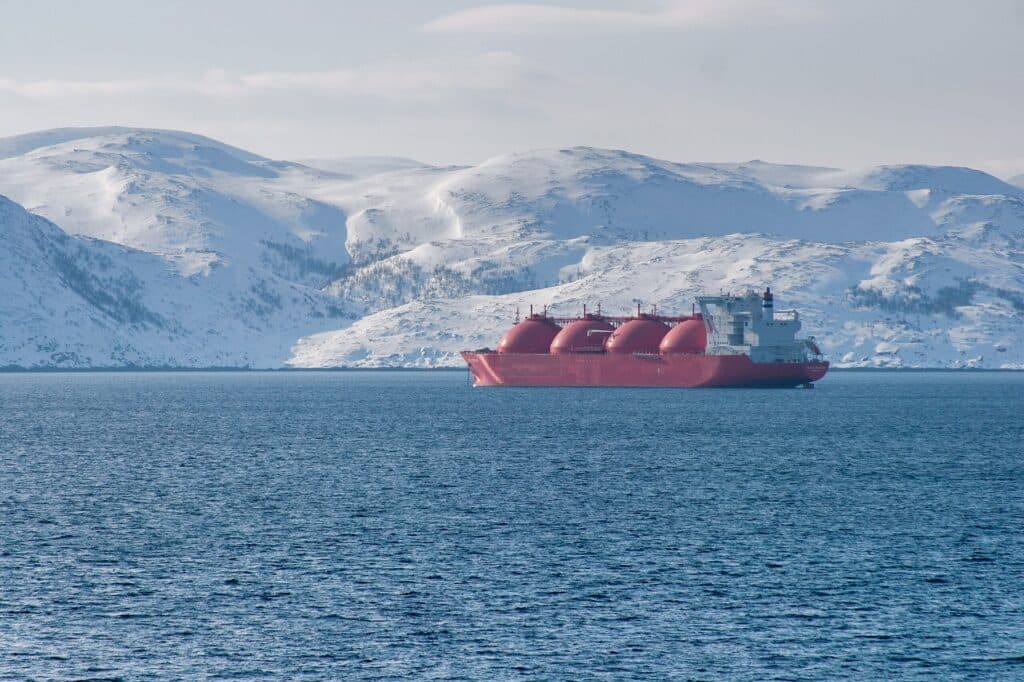
China is preparing a second terminal to receive liquefied natural gas from Russia’s Arctic LNG 2 project, which is subject to US sanctions, according to sources cited by Reuters. The move could significantly expand sales opportunities for one of Moscow’s key energy projects while strengthening energy cooperation between China and Russia.
China plans to expand its infrastructure for importing LNG from Russia’s Arctic LNG 2 project, which was added to the US OFAC sanctions list in November 2023. Subsequent US sanctions also targeted vessels, companies and logistics chains linked to exports, significantly complicating the sale and transport of the gas.
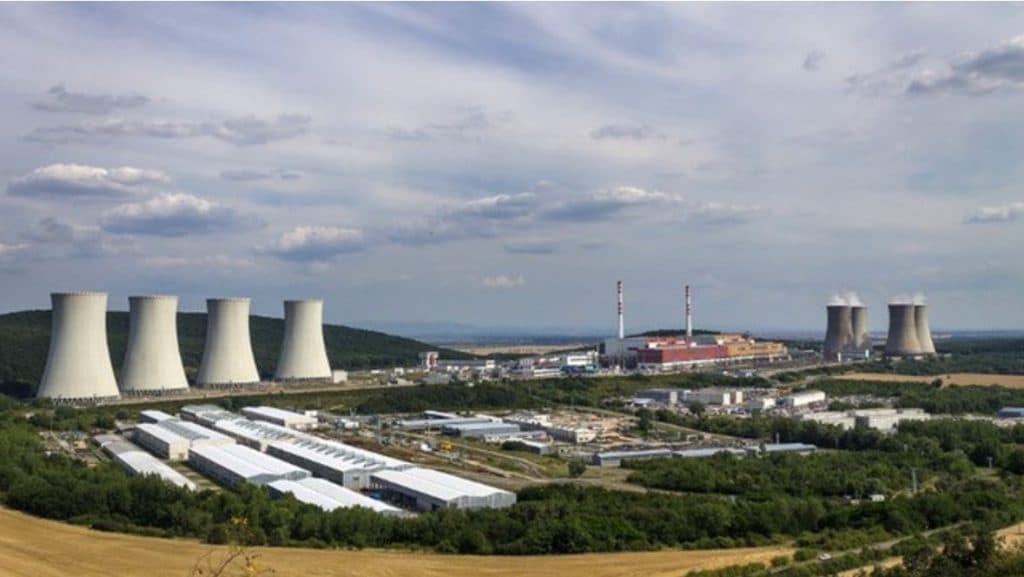
According to Reuters, state-owned pipeline and LNG terminal operator PipeChina is preparing its new Longkou terminal in Shandong province to receive supplies from the project. It would complement the only existing entry point, at Beihai.
The terminal in the coastal city of Yantai will initially have capacity of five million tonnes of LNG a year. The main construction work has been completed, and it is expected to begin operations before this winter season. Its location near the Koryak floating storage vessel in Russia’s Far East is an advantage that could reduce logistics costs and complications. The Dalian terminal is also being considered for involvement.
If Longkou is used for sanctioned supplies, Russia will gain another export route at a time when its gas sector faces restrictions in Europe. This is crucial for the Arctic LNG 2 project, with capacity of almost 20 million tonnes a year, as it seeks new buyers and logistics solutions following the imposition of sanctions.
Its only significant buyer
In recent months, China has become practically the only known market for LNG from Arctic LNG 2. The first shipment arrived at the Beihai terminal in August last year. Since then, the facility has received more than four dozen cargoes, totalling approximately 2.6 million tonnes, according to vessel-tracking data from analytics company Kpler.
Some supplies are routed indirectly via floating storage units off the Russian coast, helping to ease the logistical complications associated with sanctions. The planned new terminal would further strengthen this model and create room to take larger volumes.
The project’s significance extends beyond the gas trade itself. After exports to Europe were curtailed, Russia has been actively seeking alternative markets for its energy commodities. While it has managed to redirect a significant share of its oil supplies to Asia, the situation is more complicated for gas: building new pipelines is costly and time-consuming, making LNG one of the few flexible options for redirecting exports more quickly.
Timing is also important for Russia in light of impending restrictions on imports into the EU. The European Union is gradually introducing legislation stricter than conventional sanctions: short-term contracts for Russian LNG are to end in April 2026, long-term contracts on 1 January 2027, and a complete phase-out of imports is expected by the end of 2027. An end to imports of pipeline gas is also planned, no later than November 2027. The measures, approved by a qualified majority (with Hungary and Slovakia opposed), are part of the REPowerEU strategy aimed at reducing dependence on Russian energy and diversifying sources.
A signal for Moscow-Beijing energy ties
The planned move also shows that energy cooperation between China and Russia is continuing despite pressure from Western sanctions. China is already the world’s largest LNG importer, and Russia is one of its major suppliers. According to Chinese customs statistics, the country imported 7.57 million tonnes of LNG from Russia last year.
Price also plays a significant role. Novatek, the Russian company that is the majority owner of the Arctic LNG 2 project, offered Chinese customers gas at a discount of 30 to 40% against prevailing LNG market prices from summer 2025, according to earlier Reuters reports. The significantly cheaper commodity helps offset the risks associated with sanctions, more complicated logistics and limited resale options.
Moscow is therefore continuing to strengthen its presence in the Chinese market, and the expansion of import infrastructure suggests it is building alternative export channels, although their ability to fully replace the European market remains uncertain. What is clear, however, is that without Chinese demand, the future of the Arctic LNG 2 project would be far more uncertain.
Cooperation is developing in both LNG and pipeline gas: while Arctic LNG 2 makes it possible to redirect some production from fields on the Yamal Peninsula, pipeline exports rely on East Siberian resources connected to the Power of Siberia pipeline, which is set to reach capacity of up to 38 billion m³ a year. Further expansion, including the Power of Siberia 2 project, is being considered, but its implementation remains uncertain.
Although supplies to China are growing, they do not yet offset the loss of supplies to Europe, leaving the relationship asymmetric: Russia is seeking new markets, while China is diversifying its sources.
Translation disclaimer
This article is a machine translation of the Czech original and has not yet been fully reviewed. In case of any doubt, please refer to the Czech version.