Commission: 2035 ban on combustion-engine cars remains in force

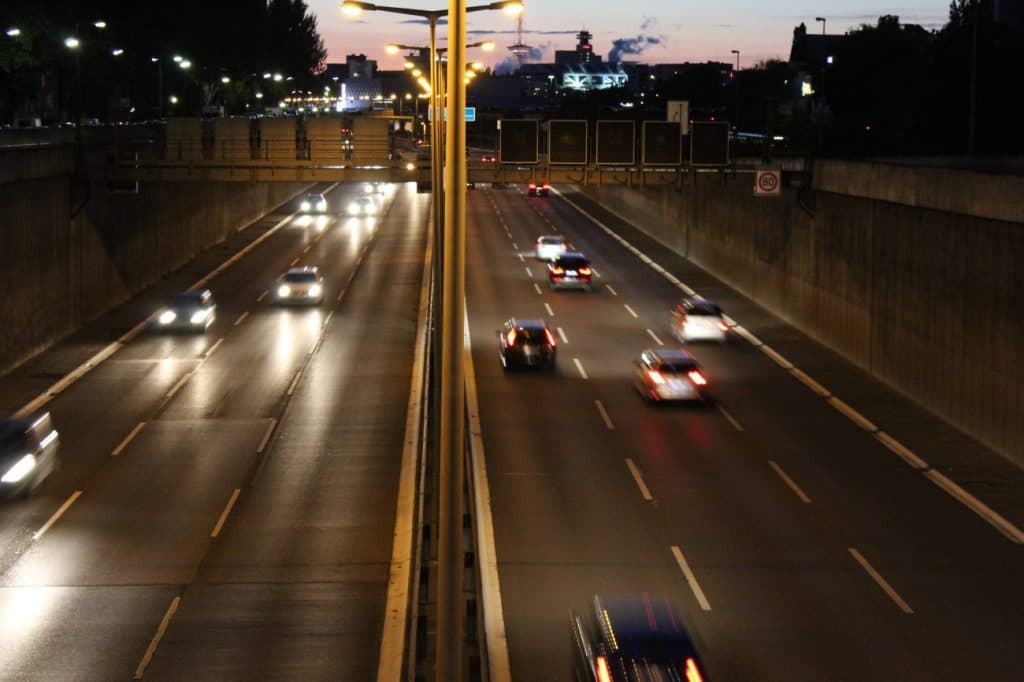
The European bloc is entering a decade that will be crucial for climate action and emissions cuts. The Commission is unlikely to ease legislation aimed at reducing emissions from road transport, despite political pressure from some member states.
The Euractiv news site asked the Commission’s transport spokesperson, Anna-Kaisa Itkonen, about the ban on the sale of cars with combustion engines. Brussels insists that the shift to zero-emission mobility remains vital for Europe’s competitiveness. Itkonen reaffirmed that the EU is “staying the course” on the ban on sales of new petrol and diesel cars from 2035. This is despite the issue being reopened at the urging of German Chancellor Merz.
The Commission stressed that decarbonising road transport—the EU’s largest source of transport emissions—would not be up for discussion. Some countries are nevertheless debating possible changes, such as including carbon-neutral fuels or plug-in hybrids, and raising concerns about the market’s readiness and infrastructure. The Commission is currently assessing public feedback and preparing an impact assessment before putting forward any formal proposal to amend the legislation.
Investment needs in transport are another key issue. Itkonen noted that electrification requires substantial spending on charging networks and infrastructure. Road tolls, she said, remain an important, though optional, tool for generating revenue to cover these costs. This is in line with the European legal principles of “user pays” and “polluter pays”.
Whether to introduce road tolls is up to individual member states. The Commission, however, considers tolls a suitable way to bring the necessary funding into national budgets and thus accelerate the rollout of alternative-fuel infrastructure. Funding remains the sector’s main challenge.
The Commission also stressed through its spokesperson that all modes of transport must be decarbonised in parallel. Rail remains a strategic priority. This is reflected in the action plan for high-speed rail and the more than 100 billion euros invested in the sector over the past decade. The Commission nevertheless recognises that road transport will continue to dominate everyday mobility.
Looking ahead, the EU budget cycle provides for 51 billion euros in spending on the transport sector. Itkonen sees this transition as a joint effort by member states and industry to create a resilient, competitive and climate-neutral transport system for all of Europe.
Translation disclaimer
This article is a machine translation of the Czech original and has not yet been fully reviewed. In case of any doubt, please refer to the Czech version.