11 October 2026, 08:24
Loading...
EU bans Nord Stream. Slovakia backs down and supports new package of sanctions against Russia

David Vobořil
22 July 2025, 14:05
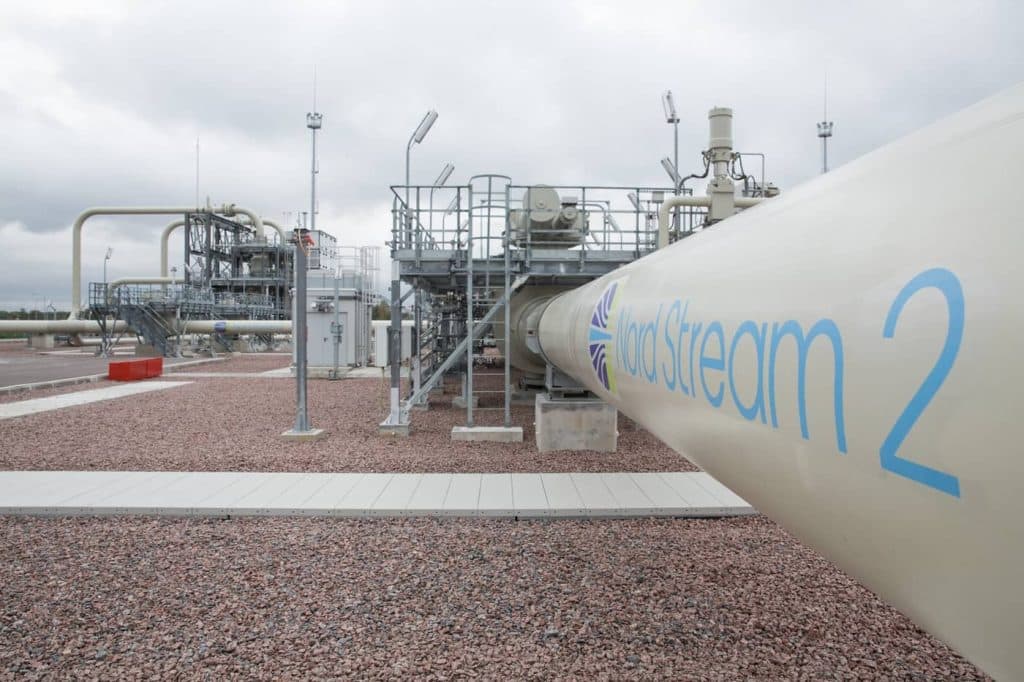
The European Union agreed on Friday to ban any transactions linked to the Nord Stream pipelines after Slovakia withdrew its opposition to the adoption of the 18th package of sanctions against Russia. This is the first-ever EU sanction to target this infrastructure directly.
The new sanctions package, originally proposed by the European Commission in June, bans all EU entities from participating, directly or indirectly, in any commercial or service transactions related to the Nord Stream 1 and 2 pipelines. The ban also applies to financing, maintenance and any logistical support.
Slovakia had initially blocked the adoption of the package, concerned about the impact on its energy security. It eventually agreed, likely in exchange for assurances that the phase-out of imports of Russian energy commodities would be gradual and coordinated. In response to Slovakia’s demands, the European Commission said officially that it was engaged in an “intensive and constructive dialogue” with member states to ensure that the phase-out of supplies of Russian commodities was managed without jeopardising the region’s economy.
Three of the four Nord Stream 1 and 2 pipelines were seriously damaged by a series of explosions in September 2022, which international investigators described as sabotage. The perpetrator has still not been officially identified.
Before Russia’s invasion of Ukraine in February 2022, Russia supplied approximately 40% of the EU’s natural gas, with Nord Stream 1 serving as a key route. Nord Stream 2 was completed in 2021, but was never brought into operation because of geopolitical tensions and sanctions. Both pipelines connect Russia with Germany and consist of two parallel lines.
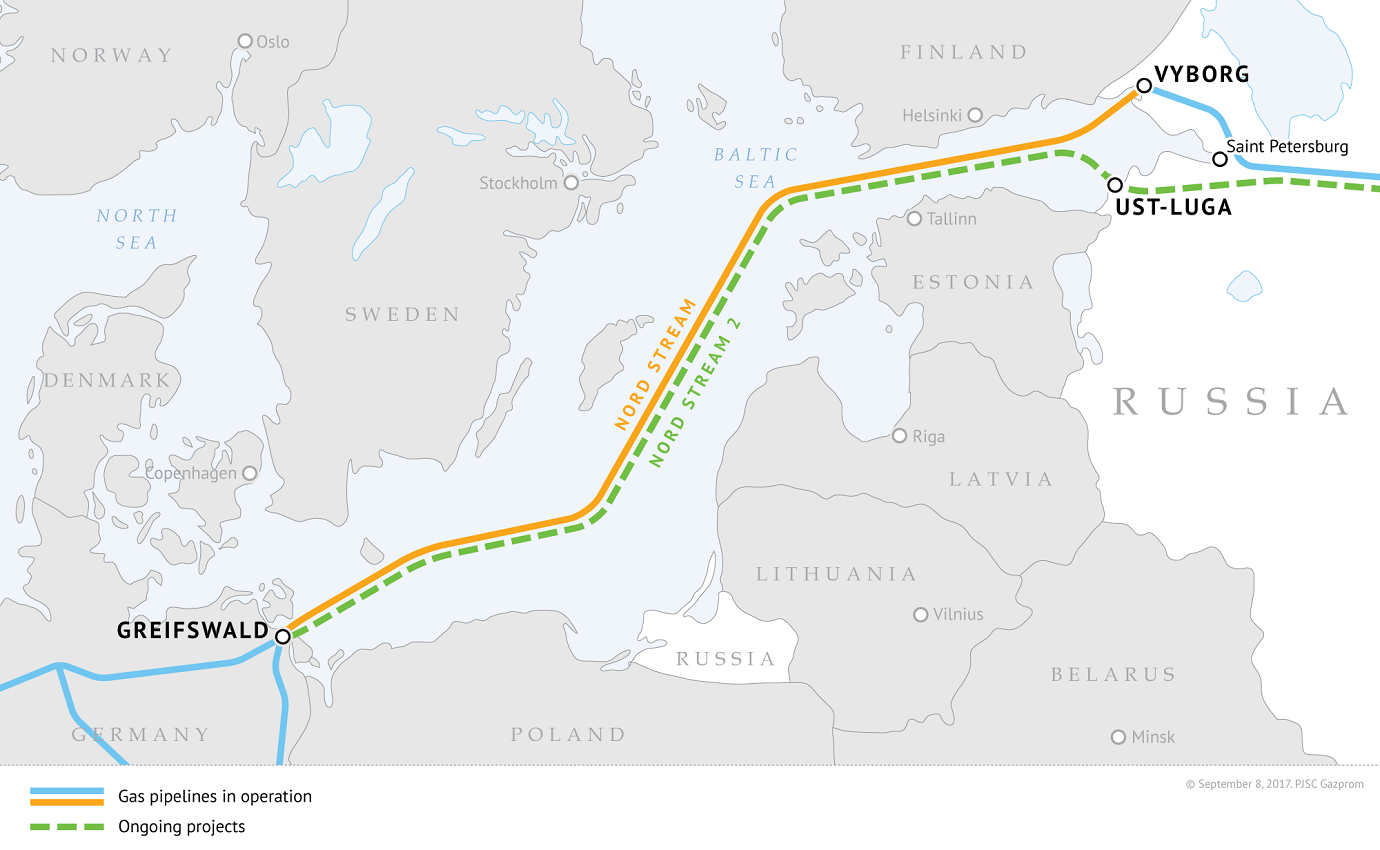
Route of the Nord Stream and Nord Stream 2 gas pipelines. Source: Gazprom
The new sanctions package also tightens the price cap on Russian oil, lowering it from the original USD 60 to USD 47.6 per barrel. The aim is to limit the Kremlin’s revenues from commodity exports while minimising the impact on global markets.
Translation disclaimer
This article is a machine translation of the Czech original and has not yet been fully reviewed. In case of any doubt, please refer to the Czech version.
Sdílejte článek prostřednictvím:
You might also like


10 October 2026, 13:19
10 October 2026, 07:37

10 October 2026, 07:02