Expensive loans are holding back global renewable energy development

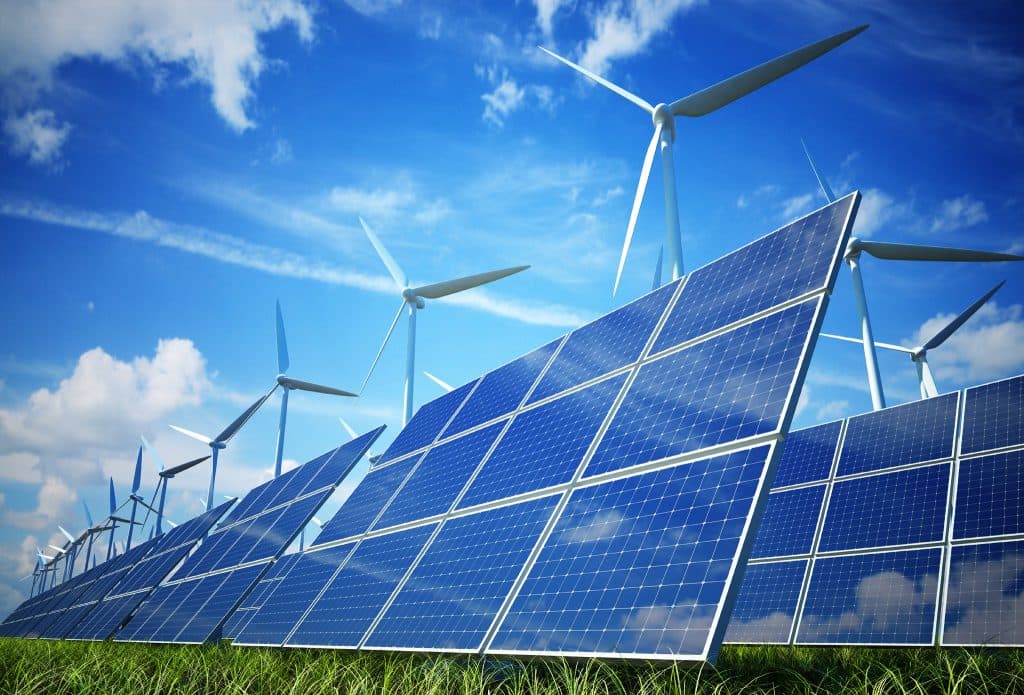
Renewable energy and modern energy projects around the world are being put on hold because of high borrowing costs, driven by high interest rates. Many analysts are warning that investment is slowing globally.
Many countries that gathered this month at the COP28 climate summit in Dubai, including the United States, set a target of tripling global installed renewable energy capacity by the end of this decade. Such a commitment could be one of several major climate measures. Rising interest rates, however, threaten these goals.
Interest rates were one reason developers cancelled major offshore wind projects in recent months. These include projects by Danish company Ørsted near New Jersey and a project by a Swedish company in the North Sea. Higher borrowing costs have also been blamed for the failure of the UK offshore wind auction held in September. No bidders took part.
"It is very much an underappreciated fact how critically, how significantly, interest rates are affecting our global efforts to tackle climate change,"said Sumant Sinha, CEO of Indian renewable energy developer ReNew Power. "It is an innocent bystander in this whole process of managing the economy and controlling inflation, and people don't realise it."
The sustained sharp rise in rates has essentially undermined the economics of large, capital-intensive projects with long payback periods. Renewable energy investments fall into this category.
Renewable energy projects typically raise most of their capital upfront and then repay that debt over the years from revenue received from customers. The prices developers can charge are often agreed before financing is completed, making it difficult to withstand interest rate fluctuations.
"The renewable energy business is completely different from the traditional energy business," former Uruguayan energy minister Ramon Mendez said at a press conference on Wednesday. "Renewable energy is purely a financial business."
Investment is slowing outside Western countries too
Central banks such as the Federal Reserve and the European Central Bank are raising interest rates to cool inflation and bring it back under control after the pandemic and Russia's war in Ukraine. These moves, however, have had expected side effects. High rates make it harder to finance more expensive renewable energy projects not only in Western countries. Some observers say they are also diverting capital from developing countries, which will account for most emissions of planet-warming gases in the coming decades.
According to consultancy Wood Mackenzie, investment in renewable energy in the Middle East is slowing more than initially expected. The same effect is also slowing onshore wind projects in Asia—a region highly dependent on coal and imported oil and gas. This was stated by Mike Taylor, a lead analyst at the International Renewable Energy Agency (IRENA).
There are also concerns about the future of hydrogen projects. According to research firm Bloomberg New Energy Finance, only 7% of European hydrogen projects have secured funding for construction. Italian energy company Enel abandoned its government-backed green hydrogen production project in La Spezia last month.
Translation disclaimer
This article is a machine translation of the Czech original and has not yet been fully reviewed. In case of any doubt, please refer to the Czech version.




