GasNet opens LNG filling station in Hradec Králové, Czechia
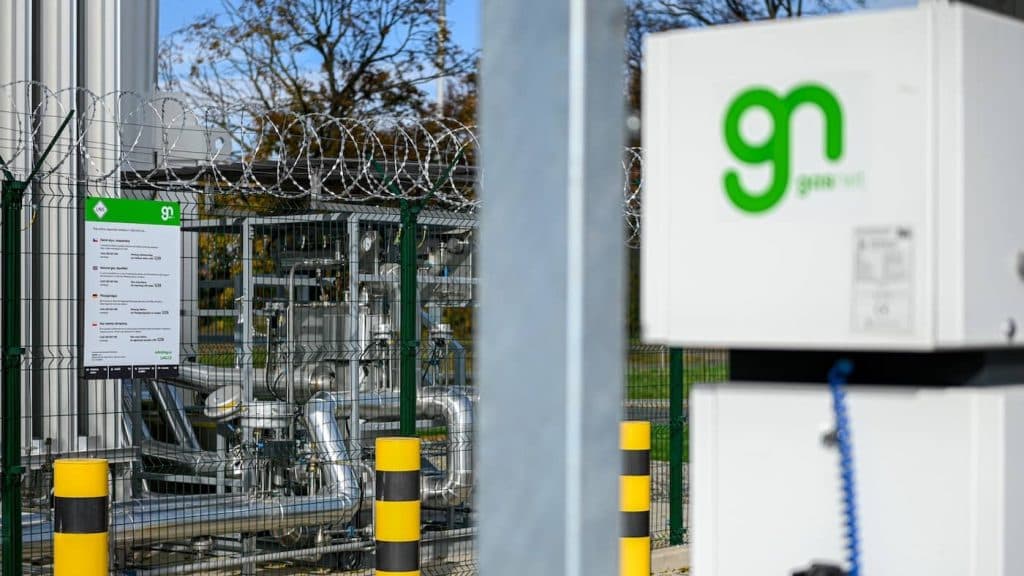
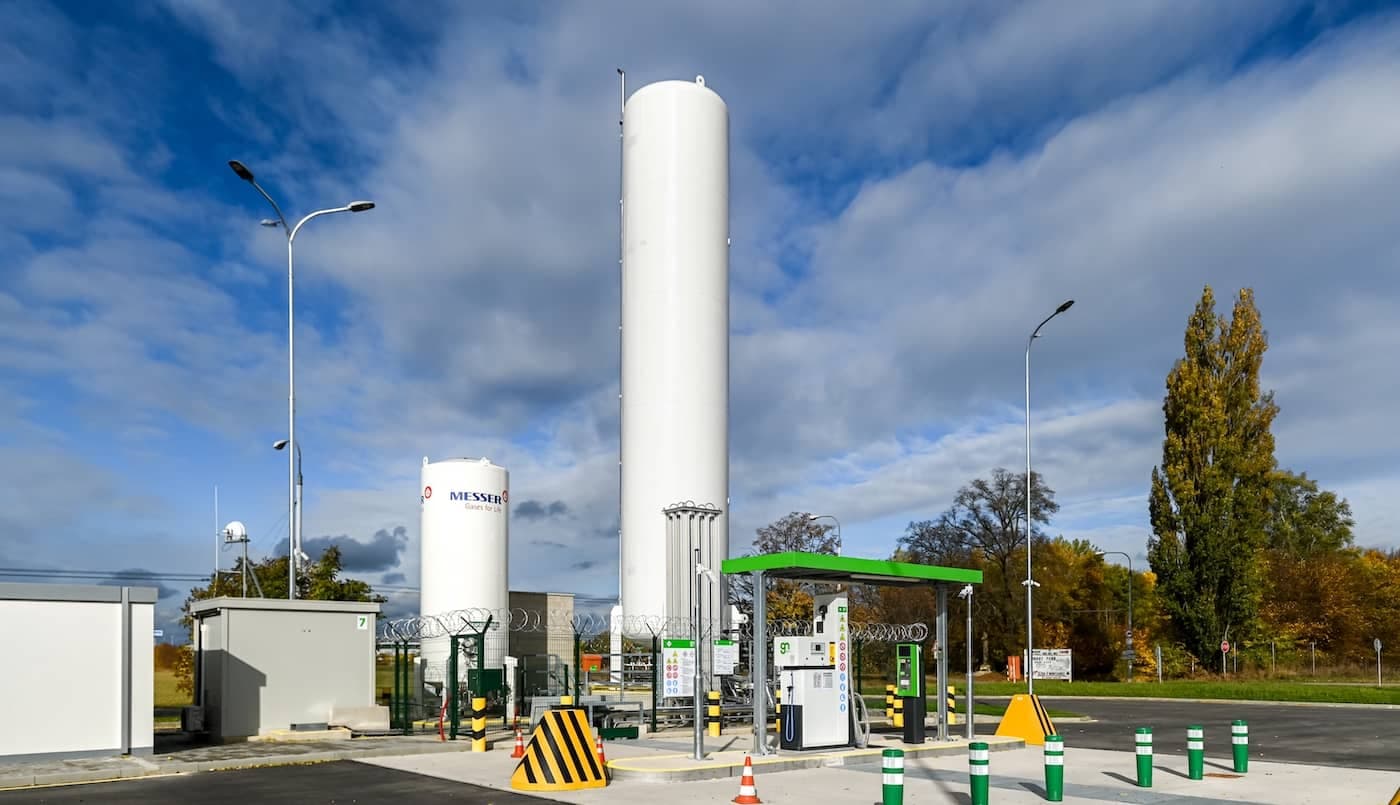
GasNet Group, the Czech leader in LNG for heavy road transport, has opened its sixth filling station. The station is in Hradec Králové in eastern Bohemia and serves gas-powered trucks travelling on the D11 motorway, a major route from Bohemia to western Poland. As at GasNet’s other stations, drivers here will also be able to refuel with renewable bioLNG, which GasNet Group became the first company in the Czech Republic to sell last November.
GasNet built the Hradec Králové station as a conventional filling station, allowing all types of LNG vehicles currently in operation, including tractor units and buses, to refuel with liquefied gas. Hauliers will find it at exit 90 of the D11 motorway, specifically on Vlčkovická Street near the Kukleny Shopping Centre (next to the Volvo Truck Centre).
GasNet is building its LNG refuelling station network along key transit routes. In addition to Hradec Králové (D11), LNG is also available in Jažlovice near Říčany (D1), Klecany near Prague (D8), Mladá Boleslav (D10), Nýřany (D5) and Kaplice (future D3).
The dispenser is self-service. The station is open 24/7. Its capacity allows up to six tractor units to refuel per hour. Refuelling itself is very straightforward. Safety is the top priority, so a face shield and gloves are essential when refuelling. Drivers without prior experience of refuelling with LNG can take a training course provided by GasNet’s technical specialists.
At all GasNet filling stations, customers can also pay by bank card or with Eurowag and DKV fuel cards, which are familiar to operators of diesel trucks.
LNG and bioLNG: a fast solution for greener transport
Liquefied natural gas is the only fuel currently available that can immediately reduce the carbon footprint of heavy road transport.
„An LNG engine emits 70% less nitrogen oxides than a diesel engine. CO2 emissions are 20% lower. In addition, burning LNG releases no particulate matter, significantly improving air quality in the immediate vicinity. Not to mention that an LNG engine is 9 dB quieter than a diesel engine,“ explains Filip Dostál, Head of Business Development at GasNet.
GasNet Group is also the first company in Czechia to sell renewable liquefied biomethane (bioLNG) at all its stations. Hradec Králové is no exception.
BioLNG has an average carbon footprint up to 95% lower than diesel. Logistics companies therefore see purchasing LNG tractor units as an opportunity to offer their customers a sustainable, “green” service and meet their ESG and sustainability commitments.
„Demand for green and sustainable transport is growing. BioLNG is currently the only available fuel that can effectively meet this demand. This is not just a matter for logistics companies, but especially for those who use their services to transport their goods. In line with their ESG strategies and responsible business goals, they want to reduce their carbon footprint not only in production but, of course, also in distributing their products. Besides the environmental benefits, the Czech Republic also has the opportunity to build a supply chain that takes Czech biomethane to Czech trucks, strengthening the energy self-sufficiency of the Czech economy,“ explains Thomas Merker, Chief Financial Officer of GasNet Group.
Liquefied biomethane (bioLNG) is produced from food scraps, agricultural waste and even sewage sludge. It can be made from virtually any biodegradable waste.
An answer to emissions allowances
Through the EU Renewable Energy Directive, the Czech Republic has committed to meeting the EU’s climate targets. The goal is to cut greenhouse gas emissions from transport by 14.5% or achieve a 29% share of renewable energy by 2030. So far, Czechia and other countries have made little progress. Europe is therefore continuing to expand the number of sectors subject to emissions allowances.
From 2027, road transport will also be covered. Fuel sellers will pass the cost of purchasing allowances on to their customers. In practice, this expansion will mean that hauliers pay more for every litre of fossil fuel, especially diesel. Greater use of liquefied natural gas is one solution.
„Hauliers and their associations should take an active interest in how environmental commitments and emissions allowances are implemented in transport, as well as in the specific actions taken by public authorities, including the availability of subsidies and relief associated with alternative fuels.The cost of emissions allowances will be lower for liquefied natural gas than for diesel engines. In the long term, LNG will therefore also bring financial benefits to transport and logistics companies. Liquefied biomethane, bioLNG, offers even greater savings,“ says Filip Dostál of GasNet.
The starting price for emissions allowances is expected to be 45 euros per tonne of CO2. At this price, the additional cost for a diesel engine works out at around 1.10 Kč per kilometre. For bioLNG, it is just 0.30 Kč per kilometre, and this figure could fall further.
Hauliers are already encountering emissions costs when refuelling in Germany. The Federal Republic introduced emissions allowances for transport in 2021. Their price rises every year and currently stands at 45 euros per tonne of CO2.
This spring, toll rates will also rise to include a new emissions-based component. Under the current proposal, toll costs for diesel tractor units will increase by up to 15%. Germany, for example, adjusted its toll rates in December 2023, and toll costs for diesel tractor units rose by 84%.
Translation disclaimer
This article is a machine translation of the Czech original and has not yet been fully reviewed. In case of any doubt, please refer to the Czech version.




