11 October 2026, 08:24
Loading...
Germany's coal exit is progressing quietly but steadily and could be completed by 2032

David Vobořil
27 April 2026, 06:12
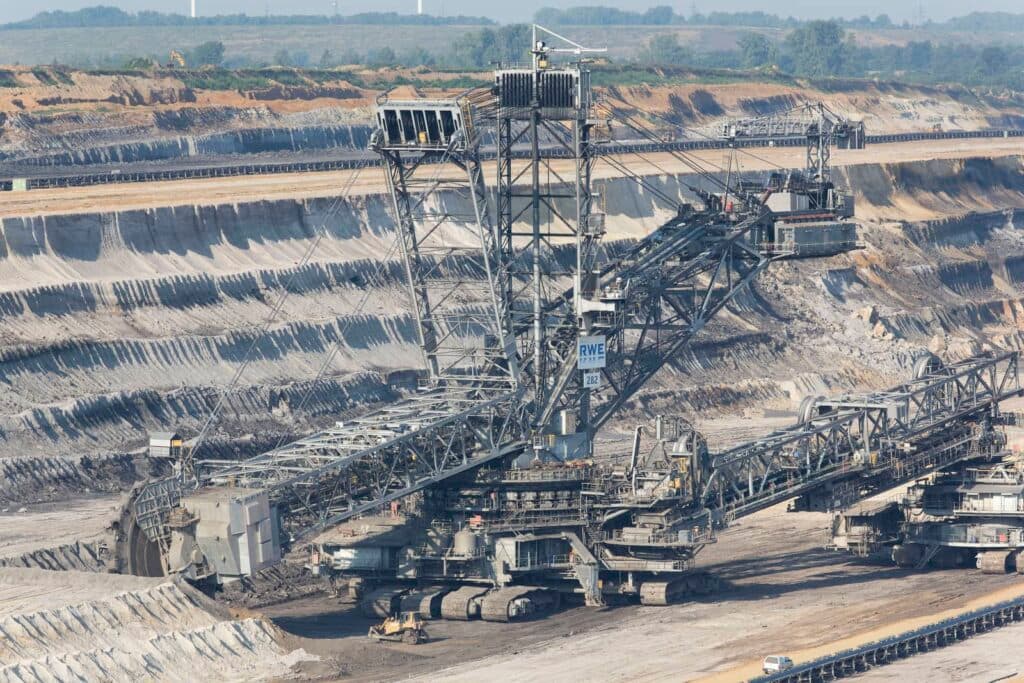
Germany could end coal-fired power generation significantly earlier than current legislation stipulates. According to an analysis by a researcher at the Öko-Institut, the coal phase-out is progressing “quietly” but steadily. Under current market conditions, it could be completed as early as 2031-2032.
Germany’s Coal Exit Act, adopted in 2020, provides for the use of coal to end by 2038 at the latest. Developments in energy markets, however, suggest that economic factors—particularly rising emissions allowance prices and pressure from renewables—are pushing coal-fired power plants out of the market faster than originally expected.
According to expert Hauke Hermann, market signals are playing a key role. Rising CO₂ emissions costs under the European Union Emissions Trading System (EU ETS) are making coal-fired power plants so uneconomic that they are no longer competitive. This trend means the phase-out of coal can proceed without the need for additional political intervention.
“At the current pace, 2031 or 2032 looks like a realistic date for the end of [coal in Germany],” says Hermann.
Could the ongoing crisis slow the phase-out?
Rising energy commodity prices and geopolitical tensions in recent months have reopened the debate about a possible slowdown in the coal phase-out. Some politicians and industry representatives argue that coal-fired power plants need to remain in operation for longer, particularly to ensure security of supply and price stability.
According to Hermann, however, experience from the 2022 energy crisis shows that the current system is sufficiently flexible. Germany’s coal phase-out model includes mechanisms that allow power plants to be temporarily kept from being decommissioned or returned to the market in an emergency.
From this perspective, there is no need to fundamentally revise the entire timetable; instead, existing tools for managing exceptional situations should be used.
Returning coal-fired power plants to the market poses problems
Hermann also warns that proposals to return older coal-fired power plants to regular operation could distort market investment signals. In his view, such a move would discourage investment in low-emission sources and slow the energy transition.
“Restarting coal-fired power plants is not a suitable way to reduce costs. We need a price signal that reflects resource scarcity and creates incentives to invest in new technologies, such as energy storage. These incentives are undermined by interventions such as bringing old coal-fired power plants back into operation,” says Hermann.
Moreover, it would be economically difficult to keep open-pit mines operating and run lignite-fired power plants only a few times a year to bridge periods of higher prices. There are also legal uncertainties around compensation payments to operators and other issues, such as state aid rules, which complicate this approach.
“Implementing this idea from the coalition agreement will be challenging, and at present I do not believe it will happen,” says Hermann.
Moreover, given the growing share of renewable energy and planned development of flexible resources, such as gas-fired power plants and battery storage, coal’s role in the energy mix will continue to decline.
Translation disclaimer
This article is a machine translation of the Czech original and has not yet been fully reviewed. In case of any doubt, please refer to the Czech version.
Sdílejte článek prostřednictvím:
You might also like

10 October 2026, 13:19

10 October 2026, 07:37

10 October 2026, 07:02