Largest solar farm in North America left without a permit, future uncertain
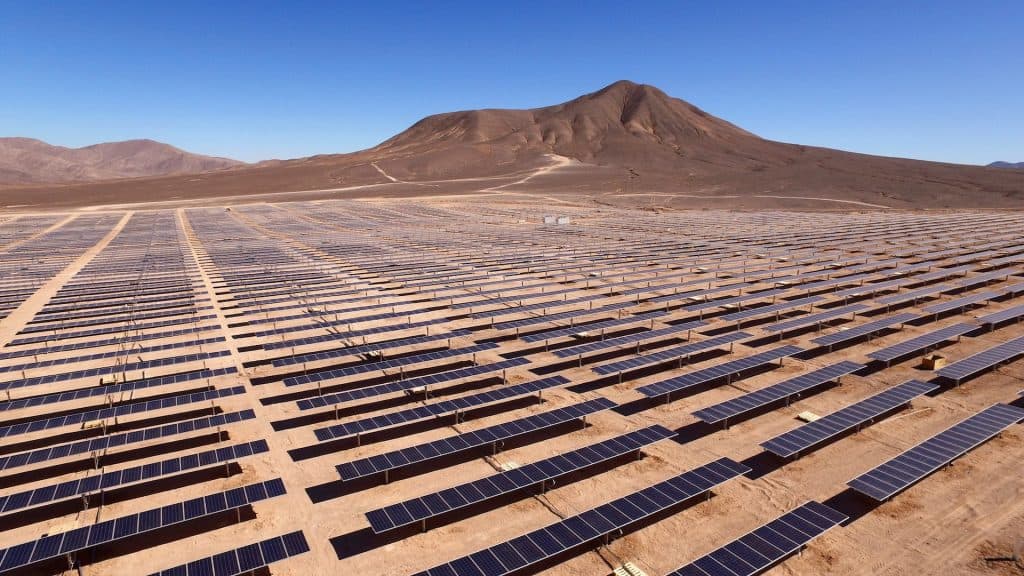
The U.S. Bureau of Land Management has revoked the permit for the Esmeralda 7 project, a solar farm in the Nevada desert that was to have an installed capacity of 6,2 GW. It is another step by the Trump administration against renewable energy projects, which the U.S. president has repeatedly called a “hoax”.
The project was originally approved under the previous administration. It was to comprise a complex of seven solar farms and a battery storage facility. The project was spearheaded by NextEra Energy, the largest U.S. renewable energy company. Several other companies were also expected to be involved, including Arevia Power, ConnectGen and Invenergy.
Construction would have covered around 62 300 acres of federal land in northwestern Nevada, approximately 200 kilometers from Las Vegas. Without federal government approval, Esmeralda has no way forward. The Department of the Interior, which oversees the Bureau of Land Management, did not explicitly say that the project had been canceled, but said it had “agreed on changes” with the developers to “better analyze the project's potential impacts”. The project is therefore left in a kind of administrative “limbo”.
NextEra told the Financial Timesthat it “remains committed to continuing a comprehensive environmental analysis of the project in cooperation with the Bureau of Land Management”.
The project faced opposition from some local conservationists, who argued that it would take up too much land. One of them told Politico:
“Friends of Nevada Nature are thrilled that this poorly sited project is dead.”
Although Esmeralda was to be located in one of Nevada's least populated counties, some local residents and politicians were concerned, for example, about its impact on wildlife migration. Some also pointed out that it would encroach on areas of archaeological significance.
Trump's pressure
The Trump administration has had a clear energy agenda since the start of its term, and renewables are “on the wrong side” of it. While its plans for LNG and oil are built around massive expansion and “energy dominance”, the future looks bleak for renewables in the U.S.
Soon after taking office, the administration curtailed tax benefits for renewable energy projects and began creating regulatory barriers that hamper their development. The media had already reported on delays to projects such as offshore wind farms.
According to Scott Sklar of George Washington University's Institute for Energy and Environmental Management, who spoke to Politico, the Trump administration has established “various administrative barriers and delays… These delays create financial pressure on companies with projects on hold while they await review. This can lead to other investors walking away from projects.”
He said the “administration wants to stop these projects — there is no chance they will get permits.”
It should be noted, however, that some projects the administration had previously intervened in eventually moved forward, for example after a court ruling. In Esmeralda's case, the possibility remains that the project could proceed as several smaller solar farms, at least judging by the department's position. Even so, this represents a significant delay and a move that could substantially influence future investment decisions in the U.S. renewable energy sector.
Translation disclaimer
This article is a machine translation of the Czech original and has not yet been fully reviewed. In case of any doubt, please refer to the Czech version.




