
23 October 2026, 14:38
Loading...
Setting targets under European climate plans is becoming more complicated

Marek Kršák
23 July 2024, 16:20
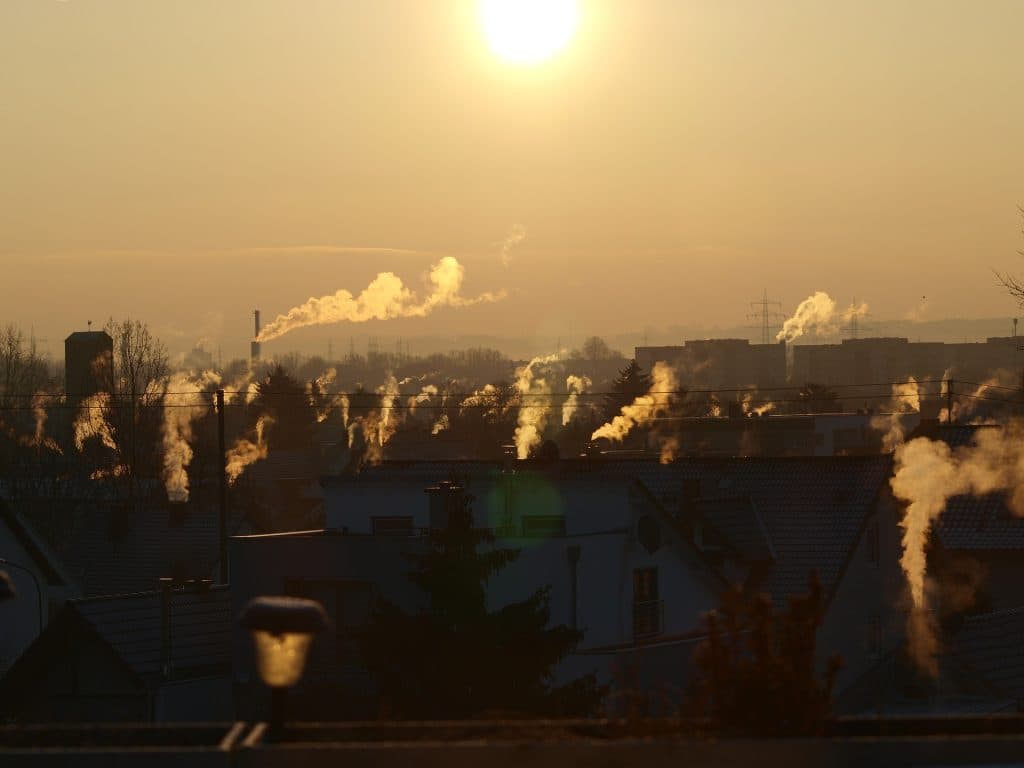
According to information provided by Euractiv, Slovakia is behind schedule in submitting the final version of its national energy and climate plan to reduce emissions by 2030. The current version of the document does not reflect the increase in the share of renewables at European level, nor does it specify in detail how it plans to phase out the use of fossil fuels for heating.
The deadline for submitting the energy and climate plan was 30 June 2024. According to available information, however, Slovakia has not yet even started the consultation process, which is part of the approval procedure. The submission of the final version of the document can therefore be expected to be significantly delayed.
Several European countries, including France and the Czech Republic, are struggling to set their renewables share, as well as to submit their energy and climate plans.
According to a statement from the Slovak Ministry of Economy, the country had anticipated missing the deadline for submitting the final version of its national energy and climate plan. The plan is now expected to be submitted to the Commission in the autumn.
When Euractiv tried to contact ministry representatives about the future version of the plan, the editorial team was referred to an earlier 2023 update to the document. The earlier version, which Slovakia sent to the Commission at the end of 2023, drew considerable criticism from European institutions. This was due to its low ambitions on energy efficiency, while the proposed renewables share was also disputed.
Rising natural gas consumption?
The latest version of the document envisages increasing the share of natural gas in district heating systems to as much as double current levels. The document, however, lacks a timetable for reducing fossil fuel consumption, raising concerns among environmentalists.
The controversial increase in natural gas consumption for heating is mainly due to the gradual phase-out of coal in the heating sector. The plan also envisages gradually replacing natural gas with biomass, as well as wind and solar power.
How and when this transition will take place remains unclear, however, as the ministry has not provided a specific timetable for reducing the share of fossil fuels and natural gas in Slovakia.
As for improving heating processes through the use of renewables, such as heat pumps, the ministry envisaged that by 2030 the use of heat from heat pumps would nearly double compared with current levels.
Environmentalists have voiced concerns about the uncertainty and vagueness of Slovakia's plan, saying the text does not clearly state whether coal in the heating sector will be replaced solely by natural gas and biomass, or to what extent heat pumps and geothermal energy will also contribute to heating.
Translation disclaimer
This article is a machine translation of the Czech original and has not yet been fully reviewed. In case of any doubt, please refer to the Czech version.
Sdílejte článek prostřednictvím:
You might also like


23 October 2026, 11:01


23 October 2026, 06:34