
23 October 2026, 11:01
Loading...
Top 10 Czech energy stories from the past week
oEnergetice.cz
12 October 2025, 21:12
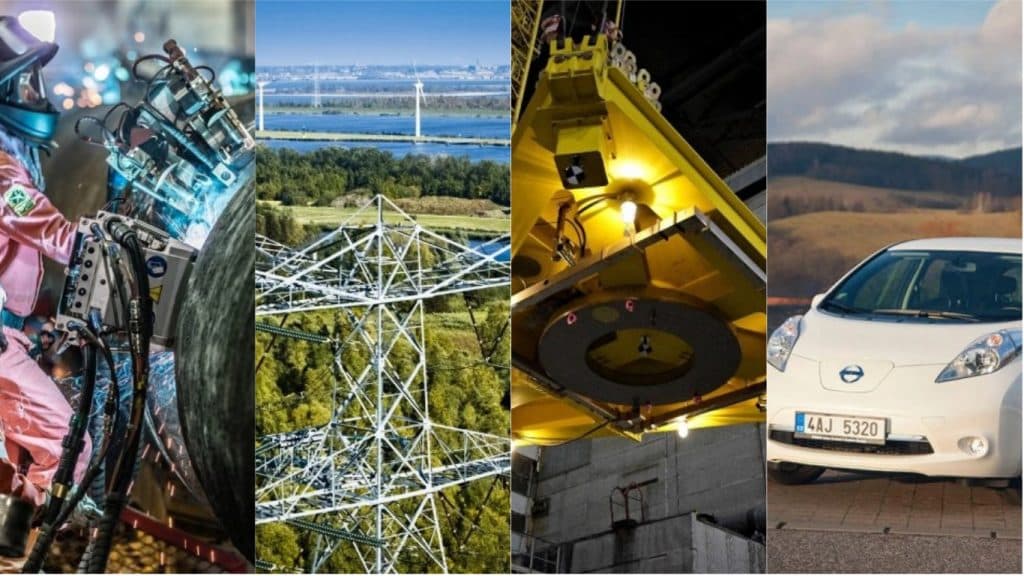
This week, we once again bring you a carefully curated list of the ten most important articles we published on oEnergetice.cz. If you missed any of them, here is a selection of the articles that attracted the most interest from our readers. Good luck in the new week!
1. Banks leave climate alliance. Net Zero Banking Alliance comes to an end

The global banking alliance has completely fallen apart after its biggest players left. This came after alliance members voted to dissolve it, despite the alliance having made concessions on its original goals.
The alliance, which was also backed by Mark Carney (the current prime minister of Canada), announced on Friday that it was ending its activities immediately and completely. The move came after the world's largest banks left.
Read the full article HERE.
2. Ask an expert: How can battery investors avoid the biggest mistake that could cost them millions?

Source: SEF, Jaroslav Dorda
Battery energy storage systems using LFP cells are highly efficient, but investors are losing a significant share of their returns because of errors in SoC settings. Why is this happening? How can it be prevented?
You will find the answers in a presentation by leading expert Ed Mulloy of ACCURE Battery Intelligence at the Smart Energy Forum conference in Prague on 15–16 October 2025.
Read the full article HERE.
3. Belgium launches the “largest battery on the continent”
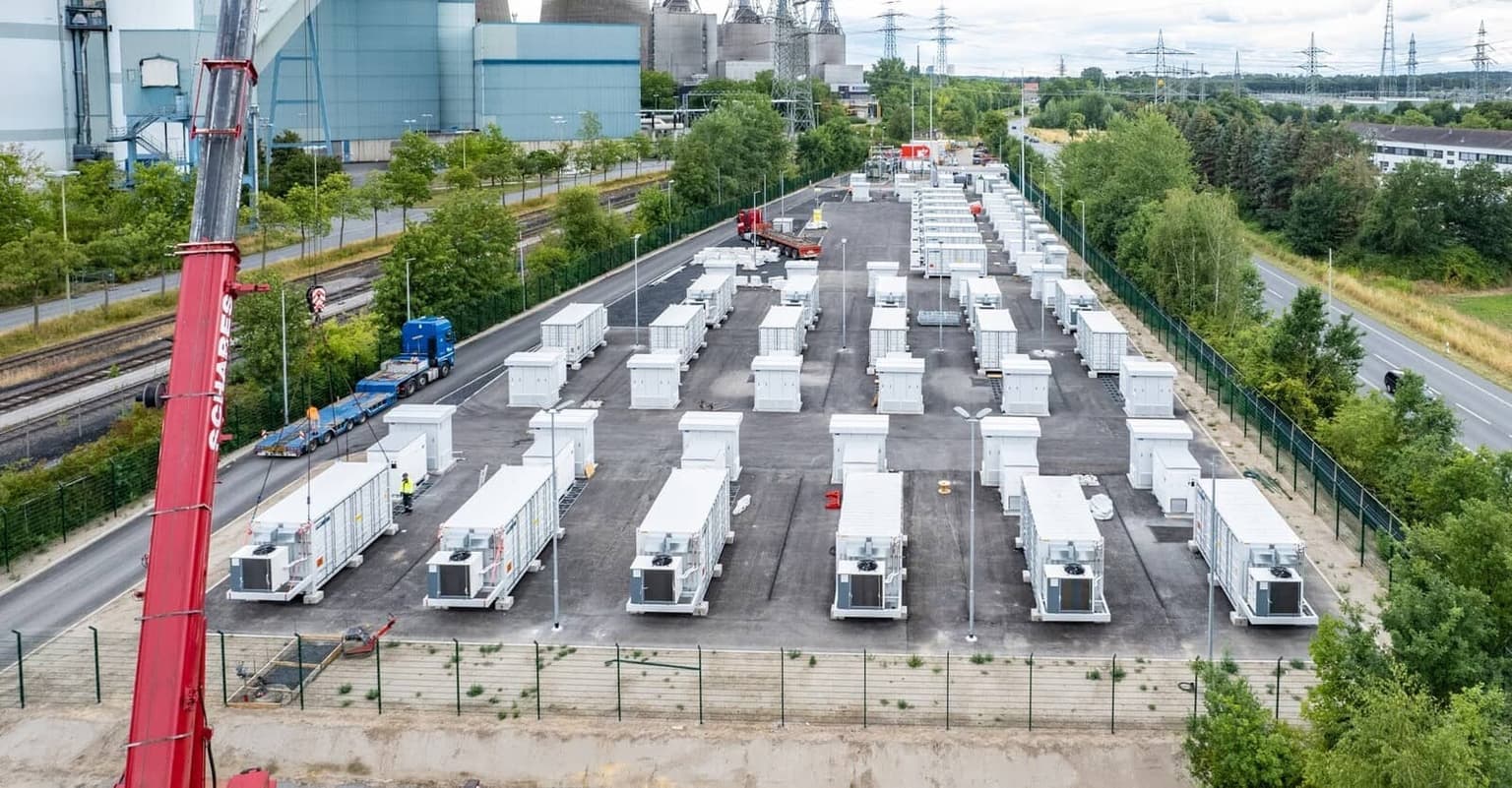
Engie and Sungrow have commissioned and launched the first part of a battery storage project with a current capacity of 400 MWh. The project, which the company says will be “the largest battery on the continent” once fully operational, is located in Vilvoorde, Belgium, and is expected to reach full capacity by the end of 2025.
The project uses 320 Sungrow batteries called “PowerTitan”. According to James Li, who spoke to PV Magazine, the new batteries offer 7% higher energy density and are four decibels quieter. Once completed, the storage facility is expected to have a capacity of 200 MW and total storage capacity of 800 MWh.
Read the full article HERE.
4. Negative electricity prices appear on the day-ahead market for the first time since the switch to 15-minute trading intervals
From 1 October 2025, the trading period on the day-ahead market was shortened from one hour to 15 minutes. With the growth and integration of intermittent electricity sources such as solar photovoltaic (PV) and wind power plants, the longer interval was no longer sufficiently informative, and the shift to a shorter period will ensure more efficient balancing of supply and demand. Prices can therefore vary widely even within one hour—the difference can exceed, and has already exceeded, 250 EUR/MWh. The very first weekend also brought negative prices.
Negative electricity prices were recorded on the OTE day-ahead market for the first time since the switch to 15-minute trading intervals. They occurred late on Saturday and remained close to 0 EUR/MWh until 9 a.m. on Sunday. The reason may lie beyond the country's borders, in strong wind power generation combined with typically lower weekend demand.
Read the full article HERE.
5. A virtual power plant in every home? Emaldo presents an AI-powered solution

The future of energy is not in power plants as we know them today, but in households. Although volatile short-term electricity market prices may seem impossible to predict reliably, new entrant to the Czech market, Scandinavian company Emaldo, is showing how smart batteries and artificial intelligence can spark a true energy revolution.
Electricity prices are becoming increasingly unpredictable for Czech households. In July this year alone, the average market price was significantly higher than a year earlier—almost 12% higher on working days, with a median of 96 euros per megawatt-hour (2361 crowns). The jump was even more dramatic at weekends: prices rose by 90% year on year. By comparison, the median price during the same period last year was just 72 euros (1771 crowns).
Read the full article HERE.
6. Energy Association: If industry cannot bear energy prices, we will lose too
The priorities for Czech energy are more competitive electricity and gas prices, as well as investment in modernisation, decarbonisation and the construction of new energy sources. Representatives of the Energy Association's leadership said this today at the International Engineering Fair in Brno, following the conclusion of its first forum. The energy sector therefore wants to hold open discussions with the state and industry.
According to the association, Czech energy must undergo a major modernisation. “We face huge investments of three to four trillion crowns to maintain the Czech Republic's energy security. The investment will go towards developing the entire energy network, as well as renewable, gas-fired and nuclear sources,” said Daniel Beneš, chairman of the board and CEO of the ČEZ energy group.
Read the full article HERE.
7. Milestone for European solar: First-ever leading source of electricity in June
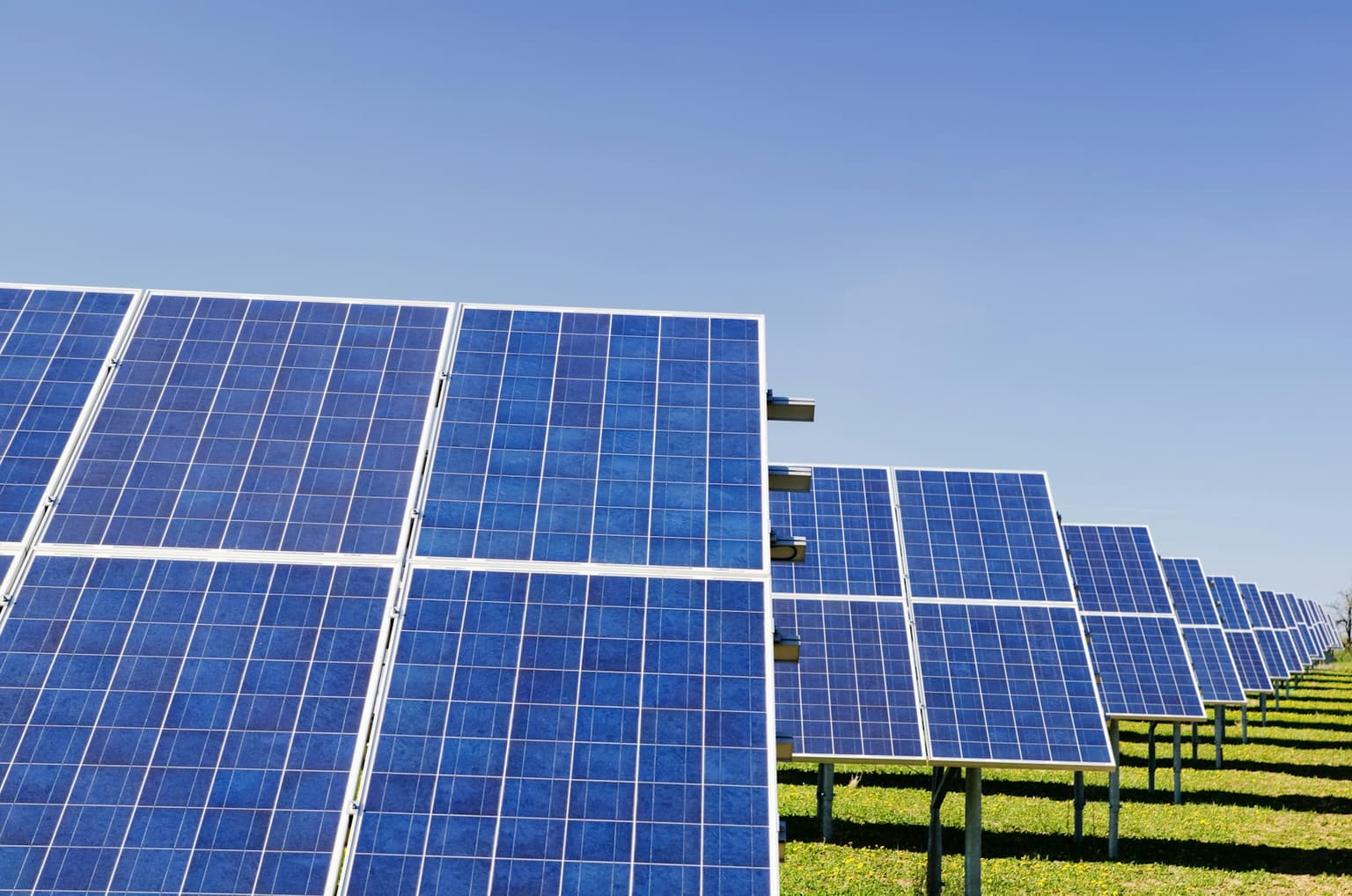
Renewable energy sources (RES) accounted for a combined 54% of net electricity generation in European Union countries in the second quarter of this year. That is an increase of 1.7 percentage points (p.p.) compared with the same period in 2024. The growth was driven primarily by solar power plants, which accounted for 20% of net electricity generation in the period and, in June, became the largest source of electricity in the EU for the first time in history. The EU statistical office Eurostat reported.
June 2025 was the first month in history in which solar power plants generated more electricity than any other source in EU countries. Their share of net electricity generation reached 22%, exceeding that of nuclear power plants (21.6%), wind power plants (15.8%), hydropower plants (14.1%) and other sources. Total solar power generation in EU countries in the first quarter amounted to 122 TWh, with solar accounting for almost 20% of net electricity generation over the period.
Read the full article HERE.
8. Small modular reactors: Clean energy future for data centres or financial trap?
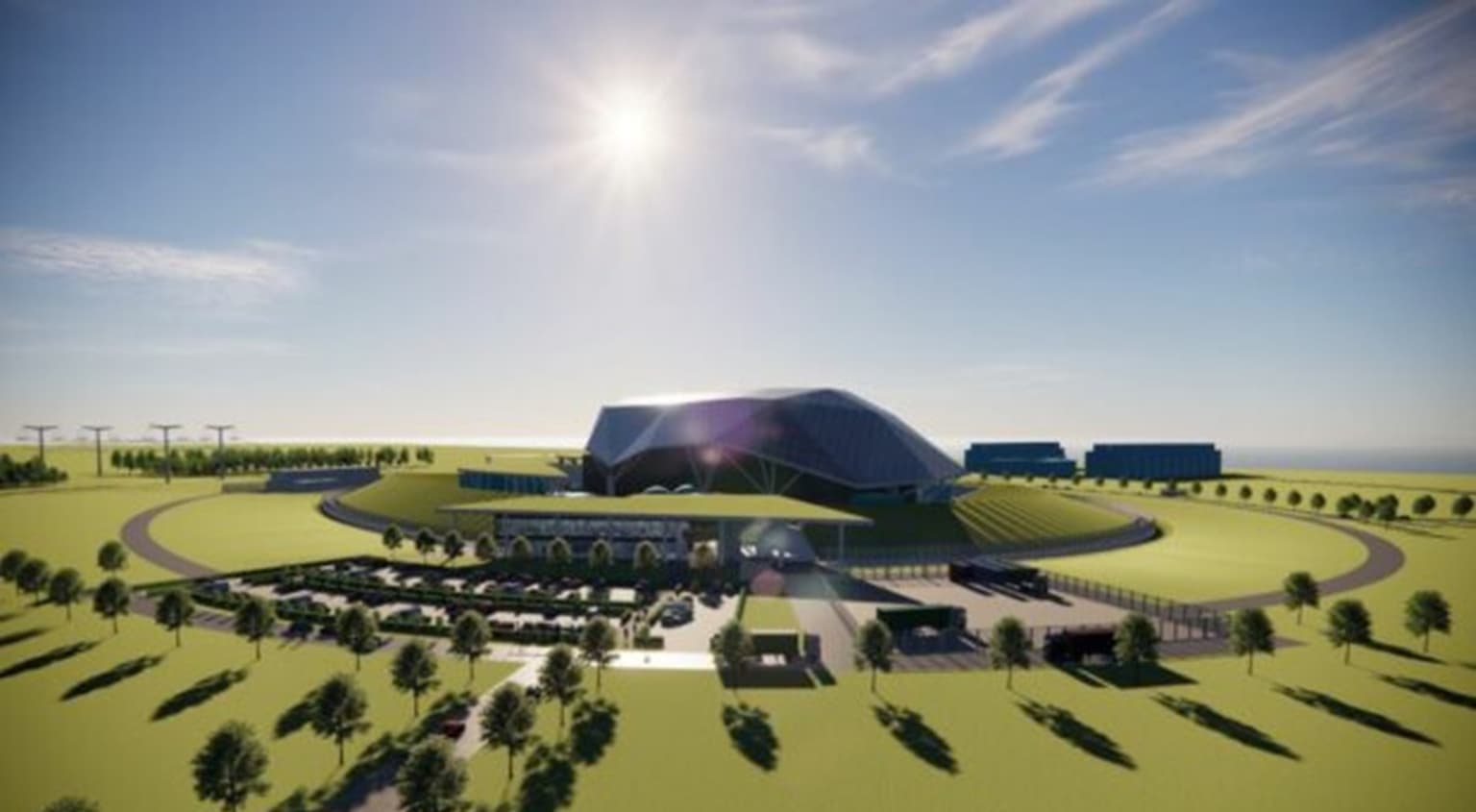
Small modular reactors (SMRs) are intended to provide a clean and reliable source of electricity for data centres, whose consumption is rising sharply. But the technology faces high costs, and experts warn that it may be too expensive to be competitive, the Financial Times reports.
The United States and private investors are placing growing confidence—and around nine billion dollars— in the development of nuclear technology intended to combine energy security with the growth of artificial intelligence. Small modular reactors (SMRs) are designed to provide a clean and stable source of electricity for data centres, whose consumption is rising sharply. Experts warn, however, that achieving economic viability will be difficult.
Read the full article HERE.
9. Belgian Tihange 1 reactor shuts down after 50 years

Unit 1 of the Tihange nuclear power plant was permanently shut down and disconnected from the grid at 23:21 on 30 September 2025. This brought to a close 50 years of operation, which began on 1 October 1975. The plant was operated by Electrabel, a subsidiary of France's Engie.
Tihange 1 was a pressurised water reactor with an installed capacity of 962 MWe. Over its lifetime, it generated more than 327 TWh of zero-emission electricity, equivalent to an average of 6.5 TWh per year—or roughly the annual consumption of 1.8 million households.
Read the full article HERE.
10. Brno heating company signs contract for Dukovany heat pipeline project

Brno Heating Plants today signed a contract with AFRY CZ, which will prepare the project documentation and secure the necessary permits for the construction of a heat pipeline from Dukovany. The work is expected to be completed in a year and nine months, the heating company said in a press release. Construction of the pipeline is expected to begin in 2027, with heat from the nuclear power plant due to reach Brno from 2031.
The contract covers the preparation of project documentation, from the initial design through to the documentation required for a construction permit, including all engineering work needed to obtain approval for the project. Jiří Herman, chairman of the board of Brno Heating Plants, considers signing with the designer a major milestone. “We face a demanding but extremely important phase that will bring us closer to our goal of securing stable, clean and safe heat from nuclear energy for Brno,” he said.
Read the full article HERE.
Topic
Energostat: electricity generation in the Czech Republic
Data in this chart is also available in 15-minute resolution60min15min
Energostat: electricity generation in Germany
Data in this chart is also available in 15-minute resolution60min15min
More up-to-date charts and data are available on Energostat
Translation disclaimer
This article is a machine translation of the Czech original and has not yet been fully reviewed. In case of any doubt, please refer to the Czech version.
Sdílejte článek prostřednictvím:
You might also like


23 October 2026, 06:34

