
23 October 2026, 11:01
Loading...
Turkey and Brazil are the main buyers of Russian oil products
Klára Čeperová
14 January 2025, 13:43
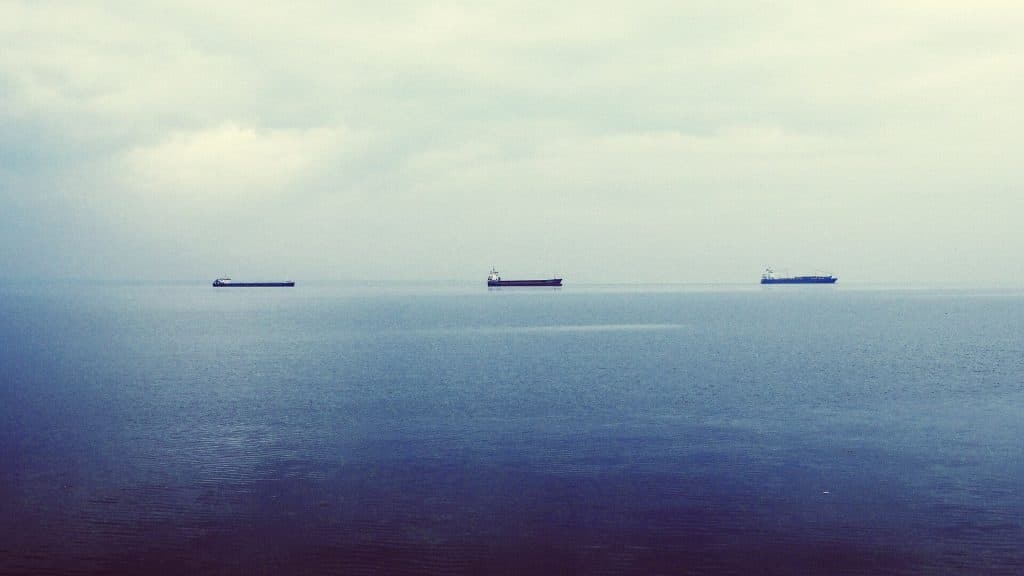
Before the EU’s full embargo came into force in February 2023, Europe was the largest buyer of Russian oil. Following Russia’s invasion of Ukraine and the European Union’s response with a ban on imports of Russian refined products, Turkey and Brazil took its place as the leading buyers, according to data from market sources and LSEG, a provider of financial infrastructure and data analytics.
According to LSEG data, shipments of diesel and gasoline from Russia to Turkey rose by a quarter last year compared with 2023, to 16.8 million tonnes. Russian diesel exports to Brazil also increased in 2024, reaching 7.4 million tonnes, 15% more than the previous year, shipping data showed. Reuters reports.
Exports to Africa
Exports of diesel and gasoline from Russian ports to African countries also increased, exceeding 9.6 million tonnes last year. However, shipments fell by 6% between 2023 and 2024. According to LSEG data, the largest importers included Egypt, Libya, Tunisia, Ghana and Senegal.
In December 2024, Russian exports of diesel and gasoline rose by almost 18% from the previous month to 3.4 million tonnes, amid rising fuel production and weak demand in the domestic market, according to trader and shipping data. The main importers remain Turkey and Brazil, with total volumes of 1.2 million tonnes (10% lower than in November) and 0.53 million tonnes (32% higher than in November), respectively.
Transshipments of oil products
Last week, the US imposed new Russia-related sanctions targeting more than 180 vessels and insurance companies. The move could lead to an increase in ship-to-ship transfers of oil products, market sources added.
This information is also consistent with findings by traders, who report rising volumes of diesel being transported through ship-to-ship transfers near the Italian port of Augusta and the Greek islands, Reuters reported.
According to traders, such transfers have become more attractive following recent Western sanctions against the tanker fleet, as the cargo is then not identified as Russian. In December, tankers carrying around 370,000 tonnes of Russian diesel transferred their cargo. Their final destinations are not yet known.
Exemption for Czechia too
After sanctions were imposed following Russia’s invasion of Ukraine, three countries—Hungary, Slovakia and Czechia—were exempted from restrictions on imports of Russian oil and oil products. Although in the last quarter of last year Czechia said it saw no reason to seek an extension of the exemption. The exemption will nevertheless remain in place at Slovakia’s request, which Czechia did not oppose.
According to Deník N, the main lobbyist for extending the exemptions on oil product supplies was the Slovnaft refinery, part of the Hungarian petrochemical giant MOL. According to the outlet’s sources, the Slovak side argued that the refinery’s operations would be threatened.
Translation disclaimer
This article is a machine translation of the Czech original and has not yet been fully reviewed. In case of any doubt, please refer to the Czech version.
Sdílejte článek prostřednictvím:
You might also like


23 October 2026, 06:34

