Undersea carbon storage: A solution to the climate crisis or a dead end?
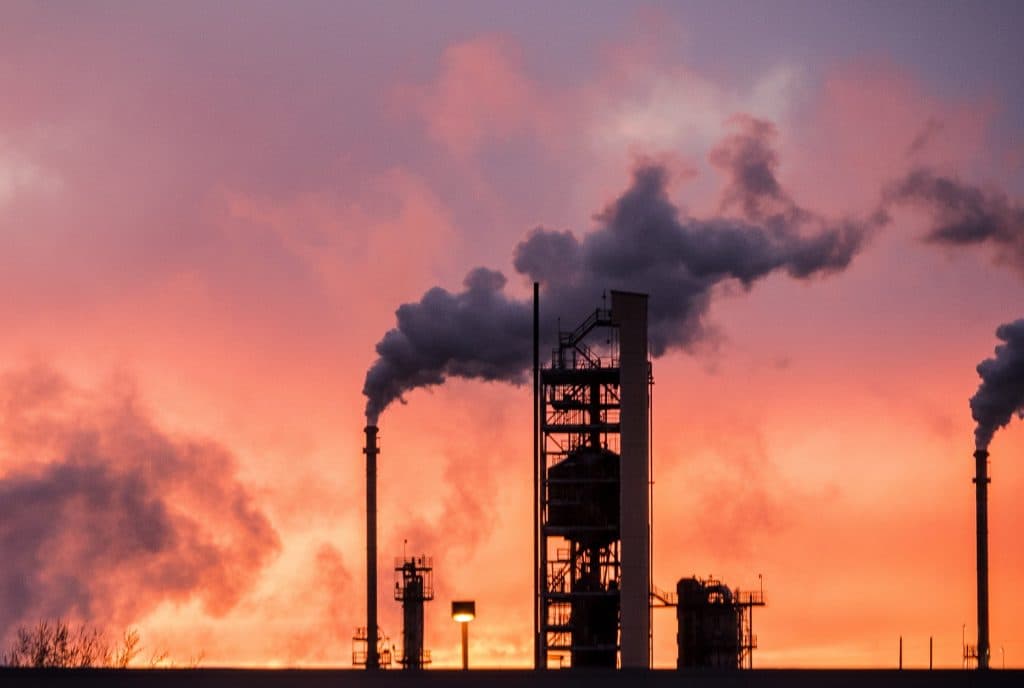
Carbon capture and storage (CCS) beneath the seabed is developing rapidly. The method could help address the climate crisis. Projects in the North Sea and Gulf of Mexico are set to store millions of tonnes of CO₂ a year.
Storing captured carbon in depleted oil and gas wells or underground aquifers could help address the climate crisis. According to Recessary, companies and governments are planning offshore CCS projects around the world.
How does the method work?
Carbon dioxide is first captured directly at industrial facilities, such as cement plants or steelworks, using absorbents or membranes. It is then liquefied and transported by pipeline or ship to depleted oil and gas fields beneath the sea. Supporters say these sites are suitable because oil and gas were safely stored there for millions of years.
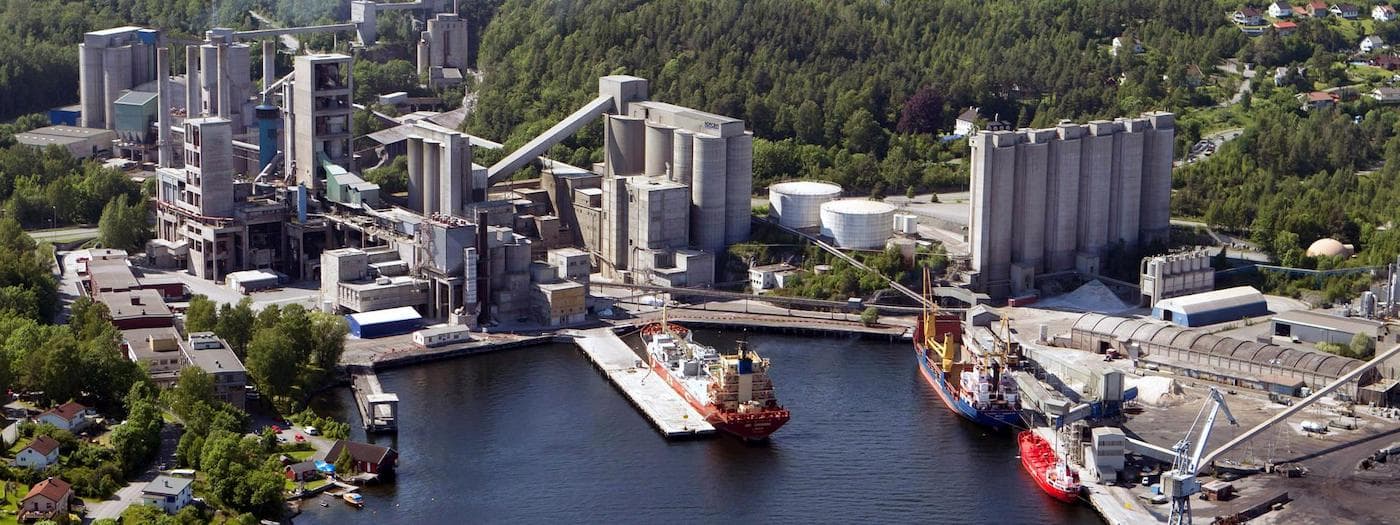
“The same reservoirs held oil and natural gas for millions of years before they were extracted—which means we know CO₂ can be stored permanently over the same timescale, and we have detailed data and a good understanding of their geology and how much they can hold,”Chris Consoli, Global CCS Institute director of storage, said in an email to Mongabay.Carbon capture and storage at the Brevik site. Source: HeidelbergCement
Rapidly growing interest
According to the Global CCS Institute, around 70 facilities are now operating, mostly onshore. There are only a few offshore projects so far—in Norway, Denmark, Brazil and China.
But the situation is changing rapidly: the EU has set a target of storing up to 50 million tonnes of CO₂ a year by 2030, mainly in the North Sea. This ambition will require thousands of kilometres of new pipelines and investment of tens to hundreds of billions of euros.
One major project is Denmark’s ambitious Greensand project in the North Sea. In its pilot phase, it is using the Nini A oil platform and plans to store up to 1.5 million tonnes of carbon dioxide a year in the coming years, rising to 8 million tonnes by 2030. Similar plans are taking shape in other parts of the world—in the Gulf of Mexico, Southeast Asia and off the coast of Brazil.
More CCS projects, both offshore and onshore, are being developed in Denmark, Norway, the Netherlands, the United Kingdom and other countries. In the Czech Republic, the CCS Moravia project is in preparation. It is intended to capture CO₂ from the Heidelberg Materials cement plant near Brno. A new pipeline will carry the captured gas for storage in saline aquifers in South Moravia. The project is scheduled to start operating in 2034 and has received support from an EU programme.
Voices of criticism
Critics warn that this is an expensive and uncertain experiment that diverts attention from the development of clean energy. Many argue that CCS could instead encourage companies to extract more oil and justify the continued use of fossil fuels, rather than genuinely reducing emissions.
Another problem is the high cost and the need for extensive infrastructure. Opponents argue that the same amount of funding could deliver greater benefits if invested in renewable energy sources.
There are also technical concerns. According to experts, some pilot projects have produced inaccurate estimates of the amount of CO₂ stored or unexpected leaks into surrounding areas.
Alongside financial and technical risks, there is also the potential impact on nature. If a leak occurred, the ocean could become more acidic and marine ecosystems could be damaged. Construction and operation themselves could disturb cetaceans and other animals through noise or the loss of natural habitats.
A solution to the climate crisis or a dead end?
Supporters argue that climate targets cannot be met without carbon storage. According to the Intergovernmental Panel on Climate Change (IPCC), CCS will be a necessary part of the path to carbon neutrality, particularly in sectors that are difficult to decarbonise.
Translation disclaimer
This article is a machine translation of the Czech original and has not yet been fully reviewed. In case of any doubt, please refer to the Czech version.




