A new goal on the horizon: increasing installed renewable capacity to 11 TW
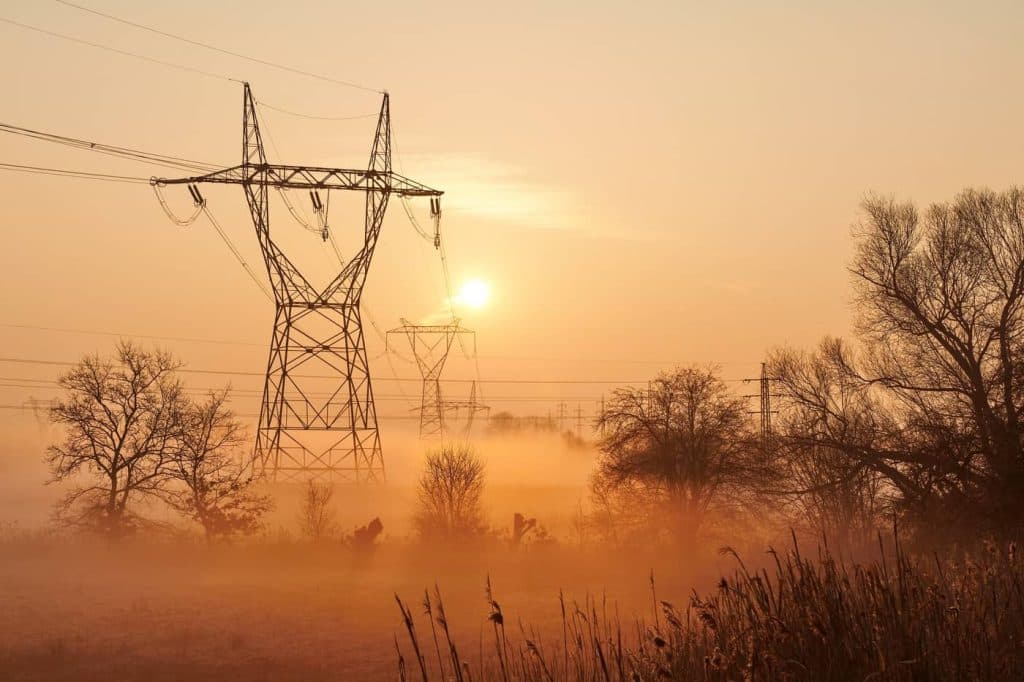
More than 100 countries agreed at the COP28 climate summit in Dubai to triple installed renewable energy capacity by 2030, one of the least controversial commitments made at the conference. However, they provided few details on how they can ensure the sector accelerates much faster, Reuters reports.
Renewable energy is key to meeting the 2015 Paris Agreement’s goal of limiting global warming. And although renewable energy is already expanding rapidly, this latest target would require a significant acceleration in the deployment of solar and wind farms.
“It is realistic, but there are elements that need to be addressed: permits, leases, grid connections,” Anders Opedal, chief executive of Norwegian company Equinor (EQNR.OL), a major renewables developer, told Reuters.
Forecasts
Tripling the target would bring global installed renewable energy capacity to at least 11,000 gigawatts (GW) in just six years, more than 20% above BloombergNEF’s current forecasts, which put it at around 9,000 GW.
According to think tank Ember, a record 500 GW of renewable capacity is expected to be added worldwide in 2023, compared with 300 GW in 2022. It says 12 countries—including China, Brazil, Australia and Japan—will exceed their national targets.
Ember said global renewable capacity will need to grow at a sustained rate of 17% a year to triple by 2030. This would mean increasing investment in renewables, which the International Energy Agency (IEA) says reached 600 billion dollars worldwide last year, at a time when some investors are pulling back from their projects because of higher borrowing costs.
Grids
There are signs of strain across the renewables sector. There are shortages of everything from wind turbines to transformers. There is a shortage of workers. The costs of wind and solar projects have surged. And local opposition to large energy projects is slowing permitting processes, which can take years amid layers of bureaucracy.
Developers are also facing long delays in connecting to the grid. Planning, permitting and building new high-voltage transmission lines to ease this bottleneck can take a decade or longer, making the 2030 target harder to achieve.
“I don’t see clear signs that we are ready to overcome the barriers we have identified,” said Francesco La Camera, director-general of the International Renewable Energy Agency.
Financing this growth is a major challenge. Investment in renewables must more than double by 2030 to over 1.2 trillion dollars a year, according to the IEA, for capacity to triple and the world to remain on track for net-zero emissions by 2050.
Questions abound
It is not enough to develop generation capacity; investment is also needed to build the grids that new projects can connect to.
“For every dollar invested in renewable energy, we need to see the same amount invested in the grids needed to integrate it,” said Ignacio Galan, chairman of Iberdrola.
Countries with low credit ratings face even greater difficulties attracting investment in renewables. Last week, the United Arab Emirates announced that it would create a 30 billion dollar fund with asset managers BlackRock, TPG and Brookfield to accelerate investment in countries of the Global South.
“These are the things that need to be discussed immediately after COP. How do we deliver the grids? How do we achieve permitting reform? How do we approach auctions?” said Morten Dyrholm, marketing director at wind turbine manufacturer Vestas Wind Systems.
Translation disclaimer
This article is a machine translation of the Czech original and has not yet been fully reviewed. In case of any doubt, please refer to the Czech version.




