
23 October 2026, 14:38
Loading...
Denmark’s offshore wind auction fails completely. Developers don’t want to pay the state

Eduard Majling
11 December 2024, 13:49
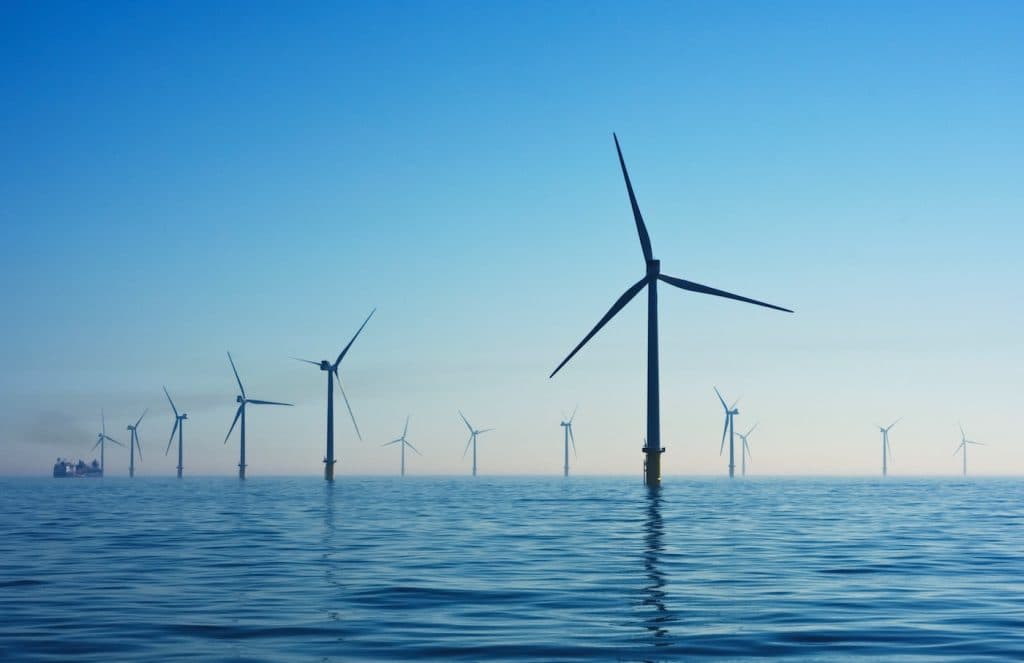
Denmark’s offshore wind auction ended in major disappointment, with not a single bid submitted. Analysts say its current design no longer reflects market conditions. Developers were not bidding for guaranteed purchase prices for their projects; instead, they were competing to offer the state the most for the right to carry out their projects. Similar developments are being seen in other countries, where investors’ willingness to pay for the right to build a power plant is falling rapidly.
The latest offshore wind auction in Denmark ended in major disappointment. Not a single bid was submitted. Like other countries, Denmark has in recent years switched to a model in which it does not provide support for new offshore wind farms, but instead developers compete for the rights to build their projects, for which they then pay the state.
In the recent auction, the country offered sites for competition that could host projects with a total installed capacity of 3 GW. In addition to having to pay Denmark for the right to use the sites over a 30-year period, according to Reuters, Denmark was also to hold a 20% stake in all these projects. Developers would also not receive the right to connect their wind farms to the electricity grid, a service that grid operators in some other countries provide at their own expense. Given these conditions and the current state of the offshore wind sector, the auction’s failure is hardly surprising.
“The way the auction is designed reflects the past, not the current costs of building offshore wind farms,” said Soren Lassen, head of global offshore wind research at Wood Mackenzie.
Denmark is not the only country currently struggling with the failure of this auction model. Investors’ willingness to pay for offshore wind farm sites is also declining in Germany. While the average price for an awarded gigawatt of capacity was €1.8 billion last year, the regulator did not even publish the prices awarded in the latest round. However, one of the auction winners did disclose its price: it is to pay just €250 million for 2 GW of capacity. That is only a fraction of the amount bid in auctions last year or at the beginning of this year.
Offshore wind auctions are falling short of initial expectations
The unsuccessful shift to a model in which developers pay the state is not unique to Europe. The auction for offshore wind farms off the coast of the Gulf of Mexico also ended badly, with only one of the three sites on offer awarded.
Like Germany’s auctions, Denmark’s offshore wind auction system offers no guaranteed sale price. As noted above, unlike the German auctions, Denmark’s auctions also do not include grid connections. WindEurope says this makes them significantly less attractive to investors than auctions in Poland, the Netherlands or the United Kingdom, for example.
“The Danish auction, with its uncapped negative bidding system, creates an unhealthy race to the bottom and unnecessarily raises the upfront costs for offshore wind developers,” WindEurope said in a statement.
The lack of grid connections for wind farms, with developers instead responsible for arranging them, is also having a negative impact on auctions in other countries. Norway is one example, where several major players withdrew from the country’s first-ever auction, citing excessive risk.
Translation disclaimer
This article is a machine translation of the Czech original and has not yet been fully reviewed. In case of any doubt, please refer to the Czech version.
Sdílejte článek prostřednictvím:
You might also like


23 October 2026, 11:01


23 October 2026, 06:34