2 November 2026, 10:52
Loading...
Five key outcomes of the COP28 climate conference

Zuzana Vrbová
21 December 2023, 06:26
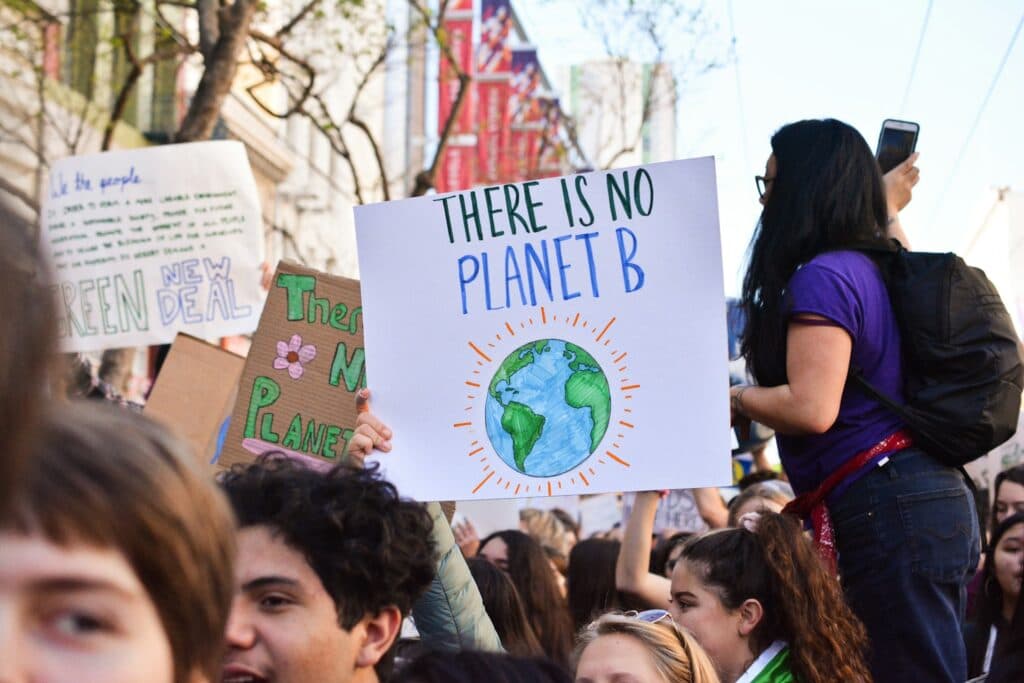
The UN climate change summit COP28, held last week, delivered several significant outcomes. This was despite criticism directed at the conference’s main organiser, the United Arab Emirates, one of the world’s leading oil and gas producers.
The United Arab Emirates and conference director Sultan al-Jaber, who heads the state-owned oil company ADNOC, faced criticism over possible bias because of their economic dependence on fossil fuels. Although an agreement to phase out the use of all fossil fuels was expected, it was ultimately not adopted, and the summit still delivered results. EnergyPost summarised them in five key points.
Transition away from fossil fuels
The summit recognised the role of fossil fuels as a cause of climate change. However, the final agreement refers to a “transition away from fossil fuels” rather than their complete phase-out. This wording allows technologies such as carbon capture and storage to receive support, although some say these technologies justify the continued use of fossil fuels.
Loss and damage
Countries pledged a crucial $700 million to help countries affected by climate disasters. Although this is an unprecedented commitment, the original target was to provide a further $400 billion. In addition, no clear rules were adopted on how the fund should be managed or how funding should be allocated transparently.
Renewable energy and transition fuels
A commitment by more than half of the world’s countries to double renewable energy generation and improve energy efficiency by 2030 is a positive step. However, concern was raised by a provision mentioning so-called “transition fuels”, such as LPG, without a clear timeline for phasing them out.
“Decarbonising” oil and gas
More than 50 oil companies pledged to achieve net-zero emissions by 2050 and reduce methane leaks and flaring by 2030. However, this commitment covers only countries accounting for 40% of global production, leaving a significant part of the problem unresolved.
Global stocktake
The first assessment of global emissions and commitments under the Paris Agreement highlighted most signatories’ shortcomings in meeting climate targets and the threat to the 1.5°C goal.
The weak wording on the transition away from fossil fuels is at odds with the need for rapid emissions reductions, as the global stocktake shows. Even so, the conference’s outcomes can cautiously be described as a success. Holding the summit in a country focused on the oil industry brought new perspectives to the issue and enabled dialogue with countries that depend on fossil fuel exports. The next meeting, COP29, is due to take place in 2024 in Azerbaijan, another major oil and gas producer.
Translation disclaimer
This article is a machine translation of the Czech original and has not yet been fully reviewed. In case of any doubt, please refer to the Czech version.
Sdílejte článek prostřednictvím:
You might also like

2 November 2026, 06:19

1 November 2026, 21:20

1 November 2026, 16:09