9 October 2026, 06:22
Loading...
Emissions allowances and carbon border levy, two EU weapons in the fight against greenhouse gases
Ekonews.cz
18 September 2023, 12:15
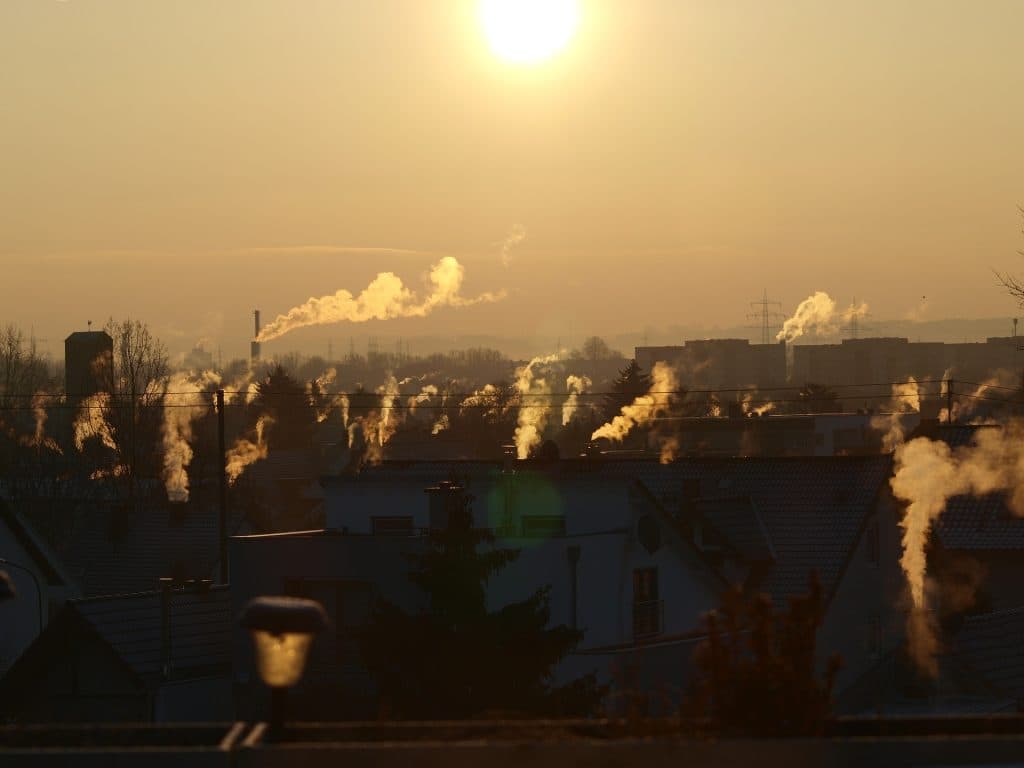
In 2005, the European Union introduced charges for air pollution with the aim of reducing greenhouse gas emissions. Since then, the system of emissions allowances has evolved and expanded into other sectors.
The emissions trading system (known as the ETS), which is part of the Fit for 55 package, was initially focused primarily on industry (power plants, oil refineries, steelworks, cement plants and coke plants). According to EU data, more than ten thousand companies have already had to buy an allowance for every tonne of CO2 emitted.
This obligation is intended to motivate companies to reduce emissions. According to the European Commission’s 2021 report, the system covers around 36 percent of greenhouse gas emissions produced in the European Union.
Over time, however, the pace of emissions reductions ceased to be sufficient and European countries agreed on more ambitious climate targets. The EU therefore moved both to stricter emissions caps and more limited free allocation of allowances, and above all to expansion into other sectors. This applies to a greater extent to aviation, maritime transport and municipal waste incinerators, and from 2027 to road transport and buildings.
An emissions cap can be understood as the maximum amount of emissions that regulated entities may release. It therefore corresponds to the number of allowances issued. This is reduced every year to ensure that the EU’s emissions reduction target is met. For illustration, while 2.5 billion emissions allowances were issued in 2005, this year the figure is around one billion lower. According to the EU’s plan, the decline will accelerate further from next year.
How the price of allowances has evolved
Crucial is the price of an emissions allowance. This is determined by trading, meaning supply and demand for allowances. Despite various fluctuations, the price has gradually risen to today’s roughly €90 per tonne of carbon dioxide equivalent.
In the first years, however, its price was low and did not push companies to change. The EU therefore introduced the so-called market stability reserve, into which it removed 24 percent of allowances. Under the latest reform of the entire system, its operation has now been extended until 2030.
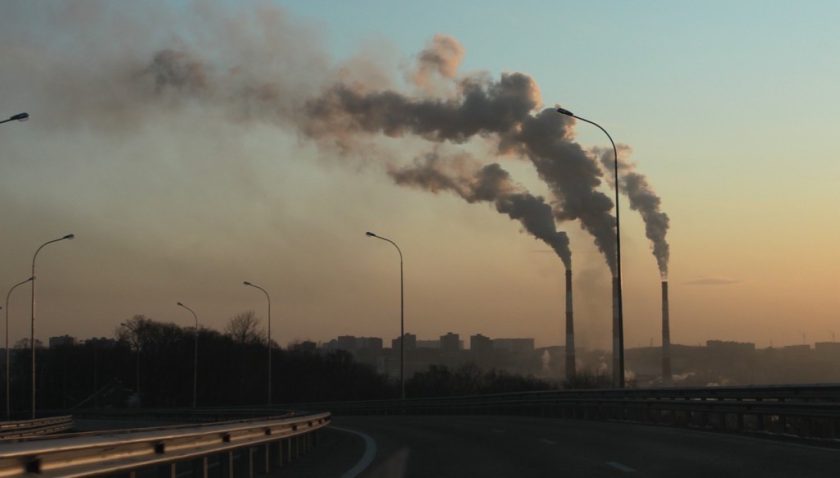
The price of allowances is now high enough to make, for example, coal power plants uncompetitive in the near future. The emissions trading system will have a similar impact on other industrial processes that rank among the largest polluters.
However, these impacts are gradual and do not arrive all at once. Many companies have been and continue to be allocated allowances free of charge, so that they do not move production to countries with more lenient air protection rules or go bankrupt because of cheaper competition.
The European system also takes this into account, which is why a so-called carbon border levy will be introduced. It is not a tariff in the strict sense of the word, but a carbon border adjustment mechanism (known as CBAM). Its aim is to charge products imported into Europe from countries with less ambitious climate targets, which therefore have a competitive advantage over products from the European Union.
So while the number of allowances provided free of charge to European companies will decline on one hand (to zero in 2034), the carbon border levy will gradually be introduced for more and more sectors on the other. The first six commodities to be covered from 2026 will be steel, aluminium, hydrogen, cement, electricity and fertilisers. However, companies will already have to report on these imported commodities from 2024.
Allowances for ships, buildings and road transport
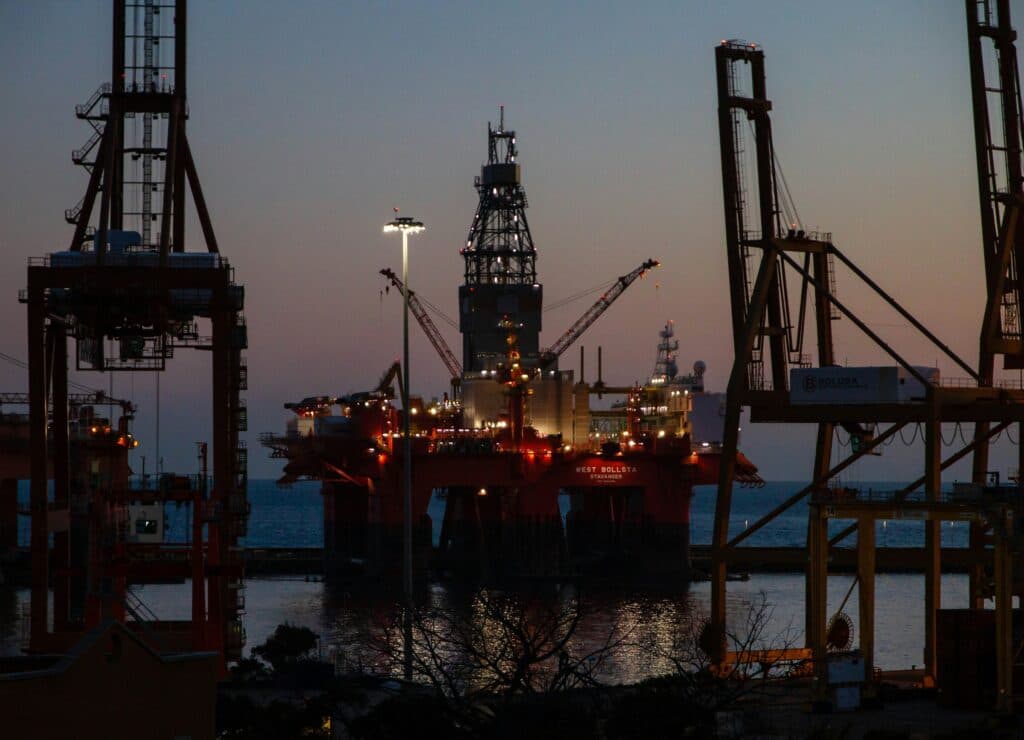
An ever-increasing number of sectors are also falling under the allowance regulatory system. Starting next year, it will apply, with a gradual rollout, to maritime transport as well as emissions from municipal waste incinerators.
Aviation has also been adjusted. Here, most allowances have so far been allocated to companies free of charge, which is due to end by 2026. For now, however, the emissions trading system still applies only to flights within the European Economic Area. But negotiations are also under way internationally on how to reduce emissions from flights outside Europe.
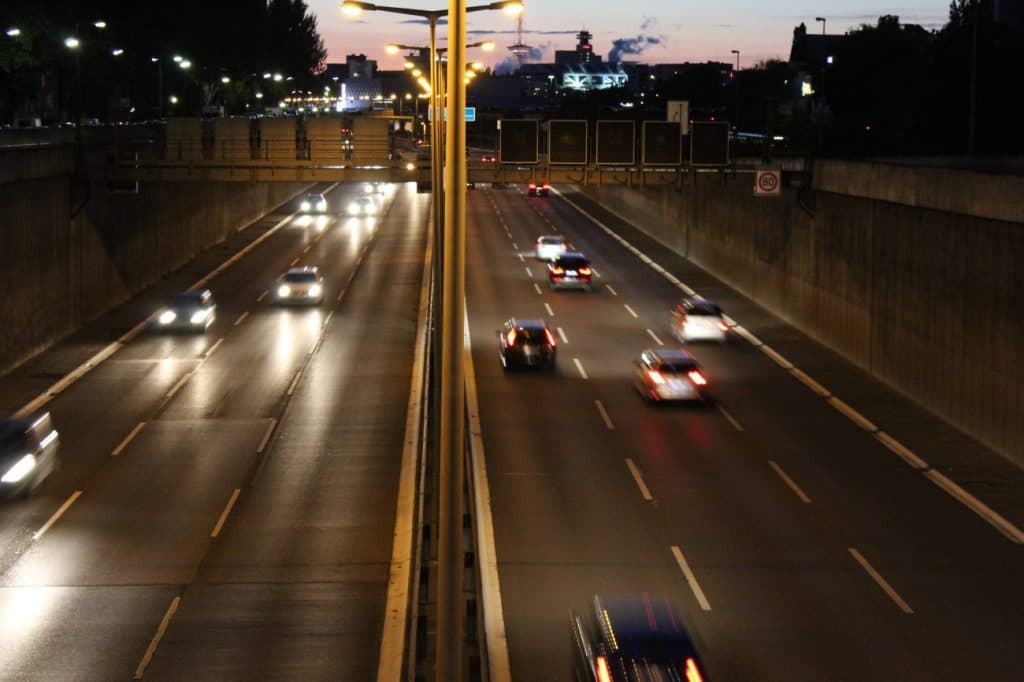
At the end of last year, the EU also approved extending the emissions trading system to buildings and road transport, the so-called ETS 2. This is to operate separately from the first system, and according to initial information, the price of an allowance should be roughly half as high, at around €45 per tonne of carbon dioxide.
Greenhouse gas emissions in these sectors are to fall by at least 43 percent by 2030 (compared with 2005). Calculations suggest that at this price, motorists would pay an extra 2.5 crowns per litre of petrol, for example.
Allowances are not an EU specialty
Emissions allowances, as their critics sometimes claim, are not just an EU specialty. These systems have now spread to other parts of the world as well. Systems similar to the EU ETS also operate in Australia, New Zealand and some Canadian provinces. However, alongside the European system, the British system and two operational US systems (in California and RGGI in states such as Delaware, Maine and Connecticut) are among the most credible and respected.
Perhaps surprisingly, China introduced emissions allowances for some cities from 2013, and nationwide from 2021. Since then, it has been the world’s largest allowance system, covering around 30 percent of Chinese emissions.
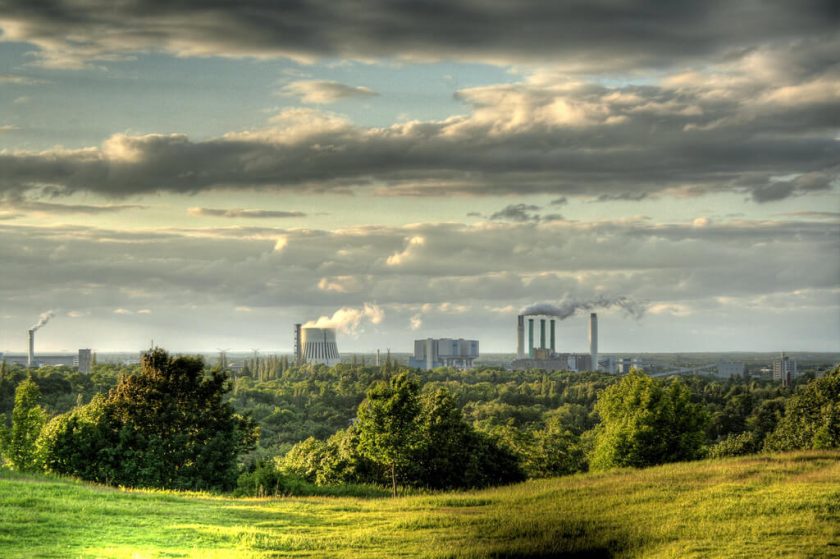
Some countries charge for greenhouse gas emissions through a carbon tax. Around sixty systems that charge for emissions in various ways operate worldwide.
The partner of the How to tackle emissions special is CO2IN.Republished from EkoNews.cz, a website covering business and sustainability.
Translation disclaimer
This article is a machine translation of the Czech original and has not yet been fully reviewed. In case of any doubt, please refer to the Czech version.
Sdílejte článek prostřednictvím:
You might also like
8 October 2026, 10:05