
23 October 2026, 14:38
Loading...
EU climate targets under pressure: will the Commission win support before summer?

Marek Kršák
6 April 2025, 08:32
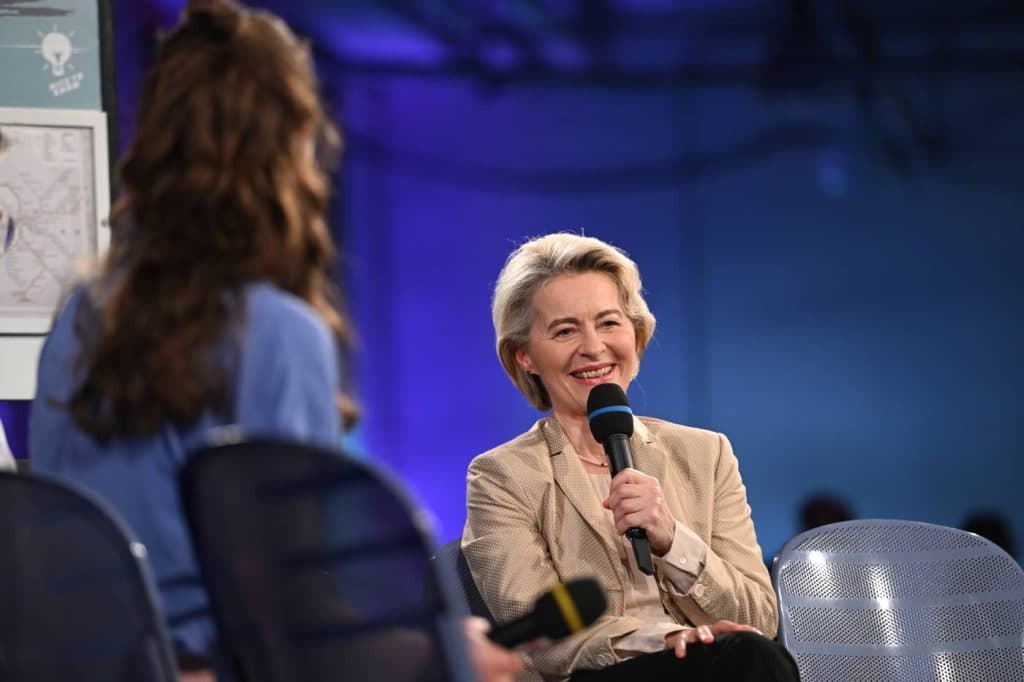
European Commissioner for Climate Action Wopke Hoekstra confirmed POLITICO’s report that he is trying, so far unsuccessfully, to win support from member states for a commitment to reduce greenhouse gas emissions. For this reason, the European Commission is delaying publication of its 2040 climate target. According to recent statements, however, an agreement should be on the table before the start of summer.
The Commission originally promised that the draft law would be published in the first quarter of 2025. The plan to reduce the EU’s greenhouse gas emissions by 90% by 2040 compared with 1990 levels is at risk.
Hoekstra said he needed more time, adding that negotiations would probably continue for weeks or even months so that he could persuade a majority.
“In our democracies, on issues that really matter, ideally you want to have a very, very broad majority and take into account all the ambitions, but also all the questions or implications people raise,” he said.
It remains to be seen whether the 90% emissions-reduction target itself is also at risk. Hoekstra responded that it was a “starting point” and added that he was “optimistic” the target would not change. Weeks of intense negotiations with member states and groups in Parliament are set to follow.
Are climate targets undermining trust in the Commission?
The emissions reduction was first proposed by the Commission last year and was a firm commitment by Commission President Ursula von der Leyen. The target has nevertheless faced criticism from within her own centre-right European People’s Party, the largest political group. The Italian government, for example, has opposed the target and called for it to be lowered to 80 or 85 percent.
Tiemo Wölken, a Member of the European Parliament from the Socialists and Democrats group, commented on the situation as follows:
“By delaying publication of the 2040 target, the Commission is breaking a clear commitment to Parliament. This decision seriously undermines the trust our group can have in the Commission.”
For this reason, the Dutch European Commissioner consulted stakeholders on several “flexibility measures” that could ease concerns about the 90% target. These include using international carbon credits that would count towards the EU target, allowing a pathway that envisages slower emissions reductions at the beginning of the 2030s, and increasing the contribution from forests and emerging technologies that remove carbon from the atmosphere.
These measures have also faced opposition. For example, Green lawmakers told POLITICO they did not support introducing credits because they feared this would finance climate projects abroad, allowing EU countries to count the resulting emissions reductions towards their own targets.
The 2040 climate target has a major bearing on the United Nations Framework Convention on Climate Change conference taking place in Brazil later this year. Ahead of the summit, all countries are expected to submit targets for 2035, and the EU’s target is seen as a benchmark for putting pressure on other major emitters, especially China.
Translation disclaimer
This article is a machine translation of the Czech original and has not yet been fully reviewed. In case of any doubt, please refer to the Czech version.
Sdílejte článek prostřednictvím:
You might also like


23 October 2026, 11:01


23 October 2026, 06:34