UK follows EU in introducing a carbon tariff
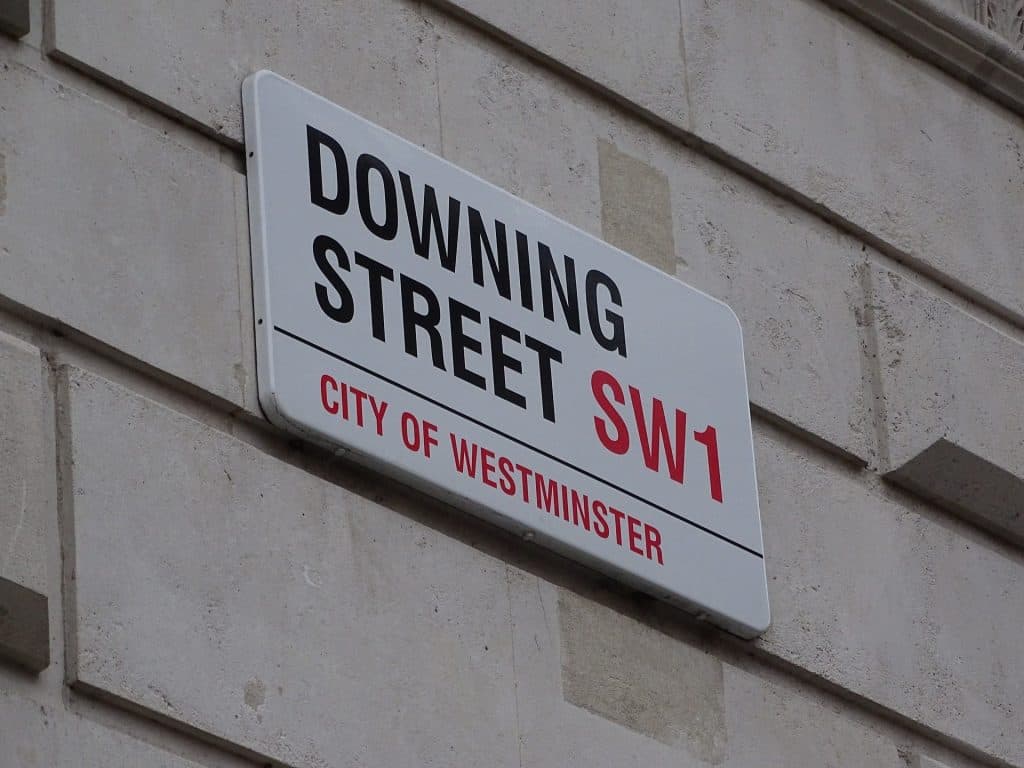
Britain has announced that it will introduce a new carbon pricing mechanism for imports by 2027. Goods imported from countries with a lower or no carbon price will have to pay a charge as part of efforts to decarbonise.
After the European Union, the first in the world to impose tariffs on CO2 emissions from imported steel, cement and other goods, the UK has also introduced a similar mechanism.
According to Euractiv, the British government said that its carbon border adjustment mechanism (CBAM) will apply to carbon-intensive products in the iron, steel, aluminium, fertiliser, hydrogen, ceramics, glass and cement sectors.
The list of goods and commodities is therefore similar to the EU’s, which, in the initial phase of its CBAM system, will focus on imports from six carbon-intensive industries: iron and steel, cement, fertilisers, aluminium, electricity generation and hydrogen. It will begin collecting charges for CO2 emissions at its borders in 2026.
Reducing the risk of carbon leakage
In Britain, the charge will depend on the amount of carbon emitted during the production of imported goods and on the difference between any carbon price applied in the country of origin and the carbon price faced by manufacturers in the UK.
“This charge will ensure that carbon-intensive products from overseas—such as steel and ceramics—face a comparable carbon price to products made in the UK, so that our efforts to decarbonise translate into a reduction in global emissions,” said Chancellor of the Exchequer Jeremy Hunt.
Britain said this would help reduce the risk of “carbon leakage”—that is, prevent emissions from shifting to other countries where the carbon price is lower or non-existent. The CBAM will operate alongside the UK’s emissions trading system, which should give British industry the confidence to invest in decarbonisation as the world transitions to so-called net zero.
Translation disclaimer
This article is a machine translation of the Czech original and has not yet been fully reviewed. In case of any doubt, please refer to the Czech version.




