Germany's Jänschwalde coal plant to enter reserve for summer as renewables push it out of the market

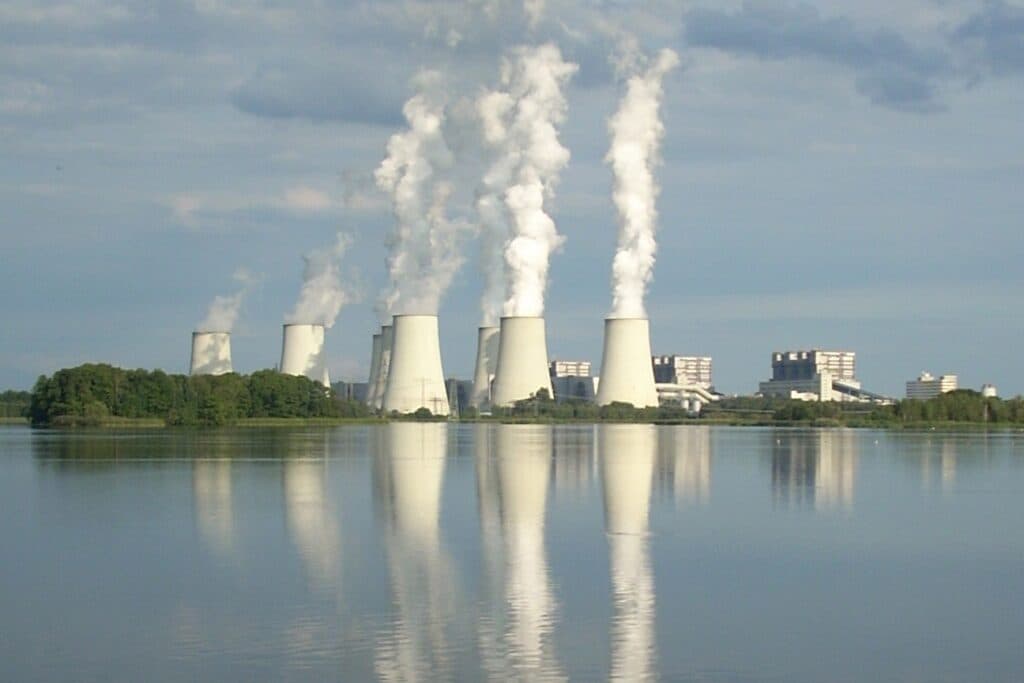
The Jänschwalde lignite-fired power plant, located in eastern Germany near the border with Poland, is likely to be placed in reserve for several months. LEAG, the company that operates the plant, expects strong competition from renewable energy sources during the summer. According to the company, partially limiting the plant's operations could help build up stocks of mined lignite for winter.
As installed renewable capacity grows, particularly that of solar power plants, there is less room in the market for other sources. In Germany alone, installed solar capacity exceeded 100 GW at the turn of the year and continues to grow. Germany is not the only country where solar capacity is rising sharply; the situation is similar in its neighbouring countries. Even stronger pressure on electricity prices in short-term markets can therefore be expected this summer.
Expectations of strong renewable generation and low electricity prices have, according to Clean Energy Wire, prompted LEAG, one of Europe's largest operators of coal-fired power plants, to adjust the operation of its assets. The Jänschwalde lignite-fired power plant, which has an installed capacity of 2000 MW following the recent closure of two units, is likely to be partially placed in reserve. Its available capacity is expected to fall by half, to 1000 MW, between May and September this year.
The future of coal is uncertain, but it continues to thrive outside Europe
In the coming years, more coal-fired power plants are expected to be gradually shut down across Europe, and not only in Germany. In Germany, however, it remains unclear how quickly this will happen. The incoming German government is backing away from the previous government's ambition to accelerate Germany's phase-out of coal by 2030, sticking instead to the original target of 2038.
Coal-fired power plants in Czechia are also facing difficulties, having had a challenging year last year. According to available data, coal-fired power generation in the Czech Republic fell by 12% last year. Along with declining generation, domestic coal production is also gradually falling.
Globally, however, the picture is different: demand for coal continues to grow, particularly in Asia. Installed coal-fired power capacity reached a new record last year, and coal demand is likely to have done so as well. The situation is also beginning to change in the United States following Donald Trump's return to office, where the pace of the shift away from coal could now slow.
Translation disclaimer
This article is a machine translation of the Czech original and has not yet been fully reviewed. In case of any doubt, please refer to the Czech version.