Biofuels as a solution to high oil prices: Indonesia plans a return to B50 biodiesel
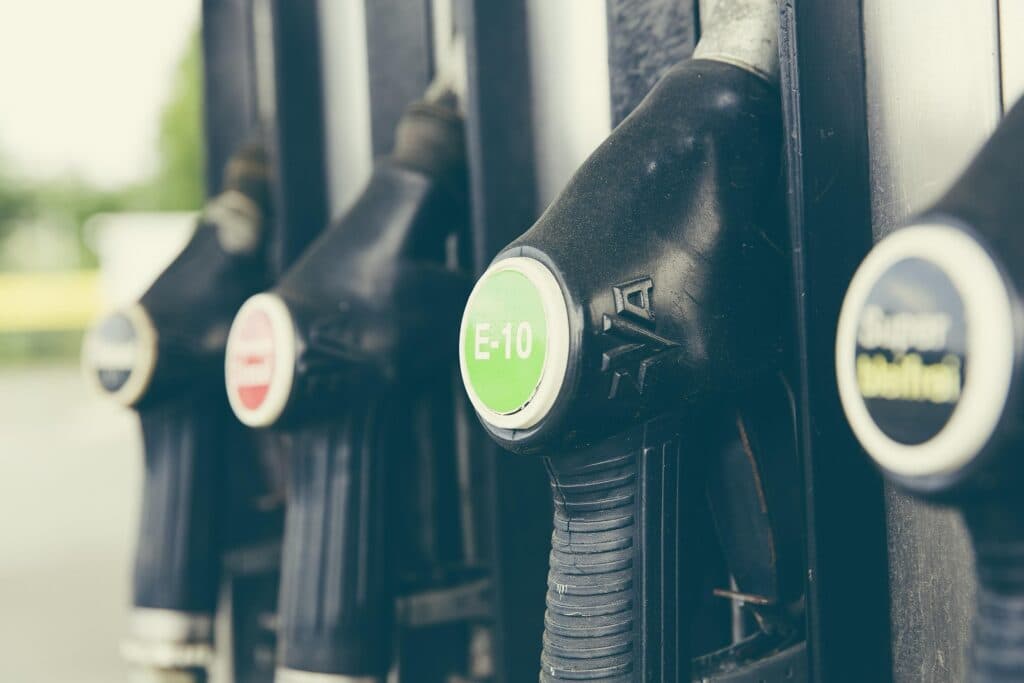
Indonesia is considering reviving a plan to make B50 biodiesel mandatory. The fuel was to contain 50% palm oil biofuel and 50% conventional petroleum diesel. The plan was suspended by the government at the beginning of the year due to technical and funding problems.
Indonesia has a functioning B40 system in place. As the name suggests, it blends 40% palm oil biodiesel into the fuel. The expansion to B50 was suspended this January. The island nation may now return to the plan it had prepared.
The global markets' reaction to the US-Israeli attack on Iran is widely known: oil prices have jumped sharply. The price of palm oil has also risen, driven by speculation that countries will be encouraged to switch to biodiesel.
According to Reuters, Indonesia is now considering accelerating some of its initiatives. In addition to B50, these include a plan to require gasoline to be blended with bioethanol.
"B50 could be implemented in the second half of the year, or even earlier… The steering committee has, however, decided to keep B40 in place until the end of the year," Indonesian Energy Minister Yuliot Tanjung said, adding that they would continue to monitor prices.
Biofuels as an alternative
Palm biodiesel is a renewable fuel produced through a process called transesterification. It is one of the higher-yielding biofuels, and Indonesia and Malaysia are its leading pioneers in terms of implementation. This is, of course, because these countries have the largest palm oil supplies and the capacity to produce it. That is also why they are turning to it in a crisis.
Biofuels are also used in the EU as one of the tools for reducing emissions in transport. Most commonly, this involves blending bioethanol into gasoline and biodiesel into diesel. In the Czech Republic, fuel suppliers must meet a minimum biofuel blending requirement—approximately 4.1% of the energy content for gasoline and around 6% for diesel.
Palm oil is being gradually phased out in the EU by 2030 because it is classified as a product with high land-use requirements under RED 2 and deforestation legislation. This issue also played a role last year in negotiations on a free trade agreement between the EU and Indonesia.
Translation disclaimer
This article is a machine translation of the Czech original and has not yet been fully reviewed. In case of any doubt, please refer to the Czech version.




