11 October 2026, 08:24
Loading...
German minister: Renewables must co-finance grid expansion

David Vobořil
21 July 2025, 10:49
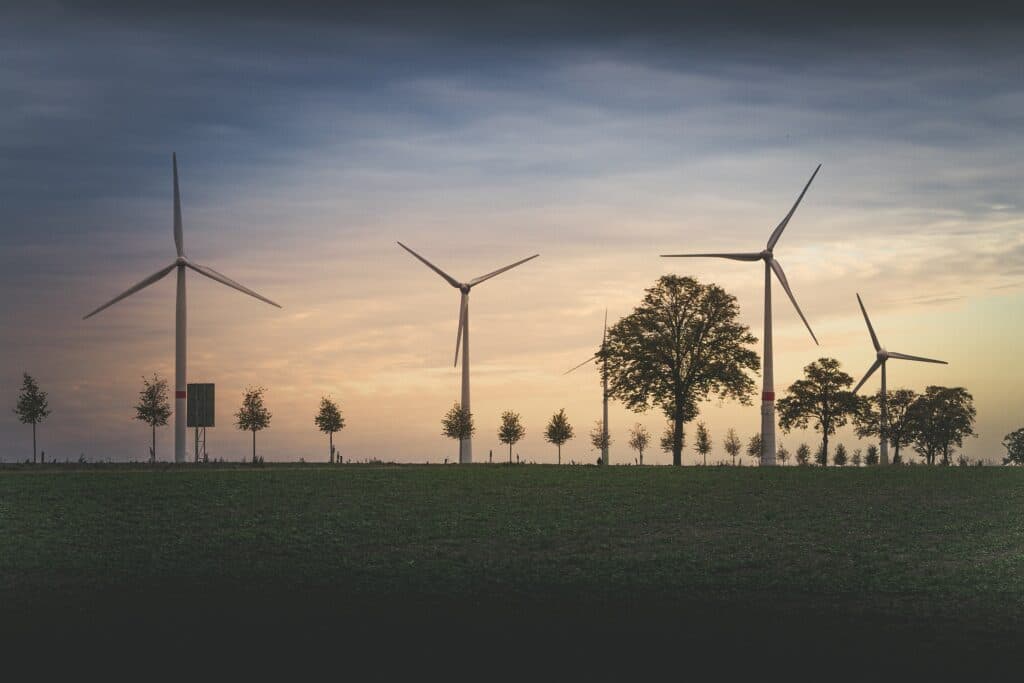
German Economy Minister Katherina Reiche warns that without adequate development of the transmission and distribution grids, the mass rollout of renewable energy sources will only lead to more frequent curtailment of their output. She says renewable energy operators should contribute to grid expansion to enable their generation to be integrated.
Germany is experiencing record growth in renewable energy sources (RES). The share of solar and wind power plants in electricity generation continues to rise, but the transmission and distribution grids are not expanding at the same pace. The result is frequent curtailment of renewable generation, because the electricity generated cannot be transmitted to places where it is consumed.
Reiche is pushing for RES operators to contribute to the costs of grid development, rather than leaving consumers to bear those costs alone. She says it is essential to introduce a fair sharing of responsibility for a stable energy system, including investment in the transmission grid, electricity storage and backup generation.
The Ministry of Economic Affairs plans to present a so-called “reality check” of energy policy by the end of summer, aimed at aligning the expansion of renewable energy sources with grid expansion. The report will examine forecasts for electricity demand, electricity grid development and other key energy trends.
According to an analysis by the Institute for Macroeconomic Policy (IMK), achieving Germany’s climate targets will require investment of 650 billion euros in electricity grids by 2045.
How can the costs of integrating renewables be reduced?
Renewable energy sources in Germany receive operating support, with the amount determined through auctions. This system is seen as a driving force behind the growth of renewable energy in the country, but as these sources account for a growing share of the energy mix, the country must find a way to reduce integration costs while also supporting investment.
In a discussion paper published in May, Germany’s grid regulator (BNetzA) called for a far-reaching reform of the system of charges that fund the development of the country’s transmission and distribution grids. The regulator’s paper sets out possible options for adjusting grid-use charges. These include extending the charges to electricity generators, as is done, for example, in the case of gas networks.
“We need to reform the system for collecting grid charges. First, the number of users paying the full charges is steadily declining, while costs are rising. Second, we do not have sufficiently effective signals on how and where power plants can be operated cost-effectively to prevent unnecessarily expensive grid expansion. Third, the current system has no incentives to reward flexible behaviour; on the contrary,” said Klaus Müller, president of BNetzA.
Translation disclaimer
This article is a machine translation of the Czech original and has not yet been fully reviewed. In case of any doubt, please refer to the Czech version.
Sdílejte článek prostřednictvím:
You might also like

10 October 2026, 13:19

10 October 2026, 07:37

10 October 2026, 07:02