
28 October 2026, 15:10
Loading...
Germany needs more transmission lines, regulator gives them green light

Eduard Majling
14 March 2024, 06:14
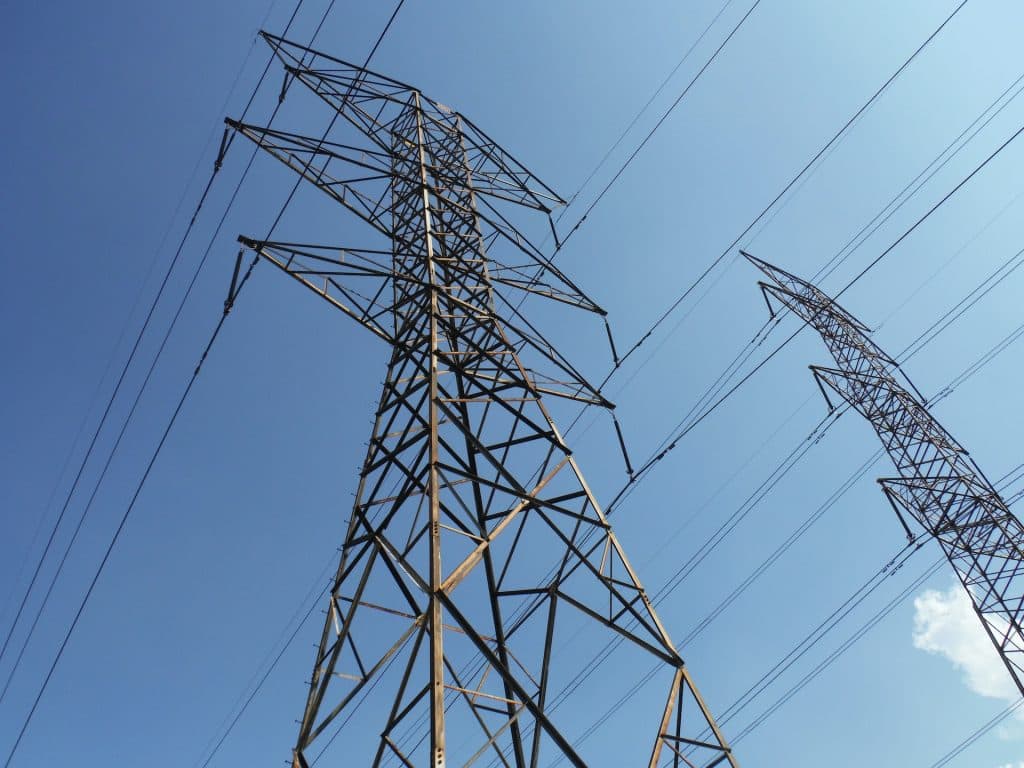
At the beginning of the month, Germany’s grid regulator approved plans by the country’s transmission system operators to build more lines across Germany. According to the German regulator, building additional transmission lines is essential for the continued integration of renewable energy sources. However, current projects involving lines several hundred kilometres long are facing delays of several years.
Building additional transmission lines to expand capacity, particularly between the north and south of the country, is crucial to Germany’s Energiewende. Germany’s energy transition is based primarily on the development of wind and solar power plants, which are not usually distributed evenly geographically. While the windy north is well suited to wind farm development, much of the expansion of solar power is concentrated in the south.
After all nuclear power plants were shut down—plants that had also helped supply industrial areas in the south—Germany needs new lines. According to the president of Germany’s grid regulator, new lines are necessary for further integration of renewable energy sources.
“We will need a considerable number of new transmission lines by 2045 for a climate-neutral electricity system,” regulator president Klaus Müller said, according to Clean Energy Wire.
Legislative changes under the so-called 2022 Easter package also helped speed up the development of the transmission grid. This allowed TenneT to recently begin construction of the key SuedOstLink line even without a building permit, but only with the regulator’s approval.
Grid stabilization costs Germany billions of euros; industry also calls for faster expansion
Germany spends billions of euros on grid stabilization every year. In 2022, costs even exceeded 4 billion euros, although extreme market prices also contributed to the total. One persistent challenge is redispatch, which involves switching off generation units in one part of Germany and switching on units in other areas to prevent grid infrastructure from becoming overloaded. Renewable generation is also curtailed and replaced with conventional generation that would otherwise not have been competitive on the market at that time.
Representatives of German industry are also calling for faster grid expansion, partly because renewable generation is being curtailed. Some relief could potentially be provided by the country’s railway system and its power supply network. At the beginning of the year, one of the transmission system operators began testing in cooperation with national rail operator Deutsche Bahn.
Translation disclaimer
This article is a machine translation of the Czech original and has not yet been fully reviewed. In case of any doubt, please refer to the Czech version.
Sdílejte článek prostřednictvím:
You might also like

28 October 2026, 13:08

28 October 2026, 11:10

28 October 2026, 09:08
