1 November 2026, 07:59
Loading...
Germany to test whether railways could help ease strain on overloaded grid

Eduard Majling
17 January 2024, 13:51
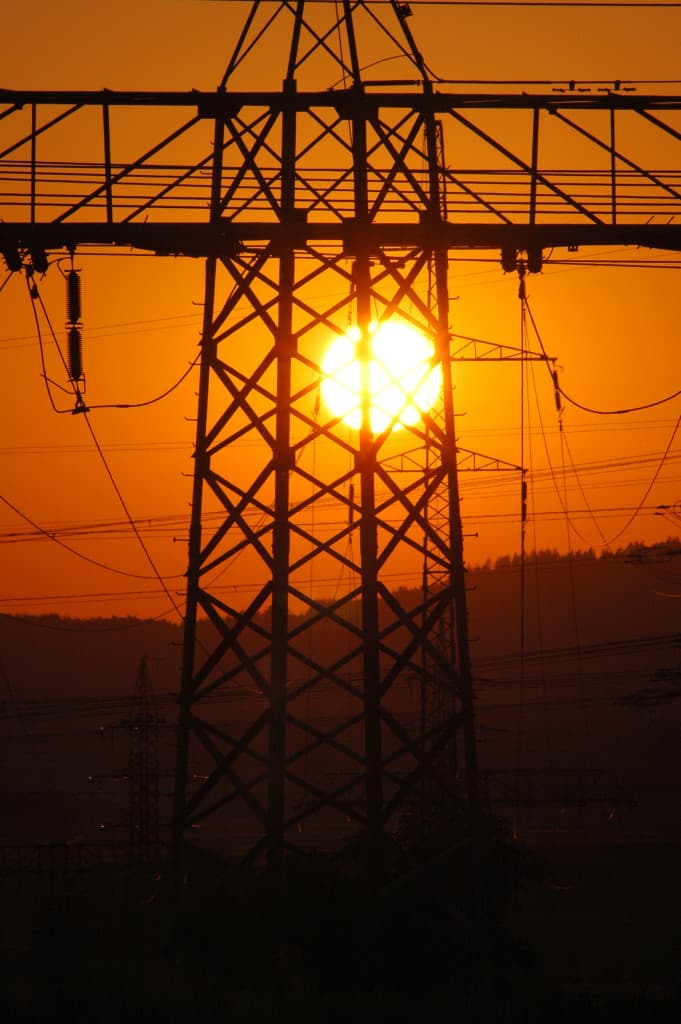
Germany has long struggled with insufficient transmission grid capacity, which could complicate the country's plans to expand renewable energy. The capacity shortage is already costing the country billions of euros a year in measures to stabilize the grid. One way Germany could ease the strain on its overloaded grid is by making use of the railway power network. A German transmission system operator and the country's railway operator are now planning to test this possibility.
Further development of transmission and distribution grids is one of the key prerequisites for making effective use of renewable energy potential. In Germany, however, the development of the transmission grid has long been held up, with construction of the key north-south SuedOstLink line only starting last year. Sufficient transmission capacity from north to south is a crucial element of Germany's Energiewende, allowing the windy north to supply electricity to the industrial south.
Insufficient transmission capacity is one reason why Germany spends billions of euros each year on stabilizing its grid. In 2022 alone, the cost of grid stabilization measures exceeded 4 billion euros. In this case, a lack of transmission capacity leads to greater reliance on redispatch, in which power plants in other parts of the country are switched on even though they were not initially selected in the market.
In theory, however, Germany's overloaded transmission grid could be helped by the railway power supply network. Tennet, which operates part of the transmission grid, has joined forces with national railway operator Deutsche Bahn for this purpose, according to Clean Energy Wire. Deutsche Bahn operates around 7900 kilometers of electrified railway lines in Germany, and its power network is to some extent independent of the transmission grid.
Not only Germany must invest substantial sums in developing transmission and distribution grids. According to Germany's energy regulator, the era of cheap energy is over, a trend also reflected this year in rising regulated electricity prices.
Translation disclaimer
This article is a machine translation of the Czech original and has not yet been fully reviewed. In case of any doubt, please refer to the Czech version.
Sdílejte článek prostřednictvím:
You might also like

31 October 2026, 12:55

31 October 2026, 08:21
30 October 2026, 20:16