Freezing weather drives grid load to record levels. Who consumes the most electricity in the Czech Republic?

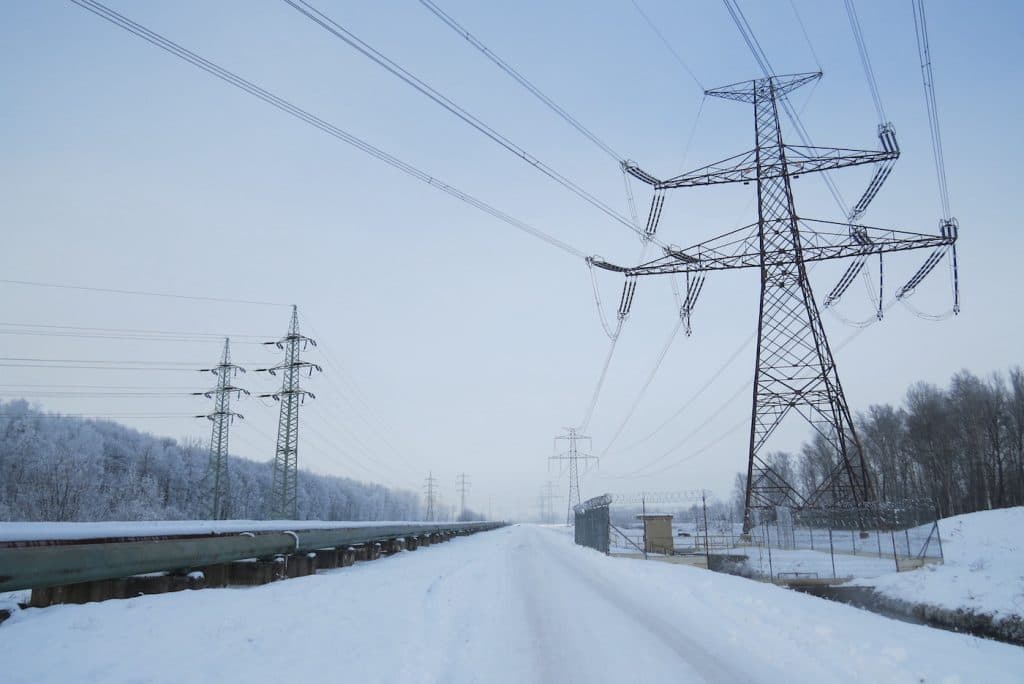
In the first half of February, the Czech Republic, along with large areas of northwestern Europe and Scandinavia, was hit by severe frost. Temperatures far below freezing also resulted in increased electricity offtake from the power system, whose load thus reached the highest levels in history. Although electricity consumption during winter is relatively strongly influenced by cold weather, even on warm summer days it does not fall below roughly half of the usual winter peak.
While the start of the winter season was mild, with December and January more or less warmer than average, the situation changed significantly with the arrival of February. During the second week of February, temperatures in many parts of the Czech Republic fell far below freezing, with the average all-day temperature on 12 February dropping to around -11 °C, 10 degrees below the average value for that period.
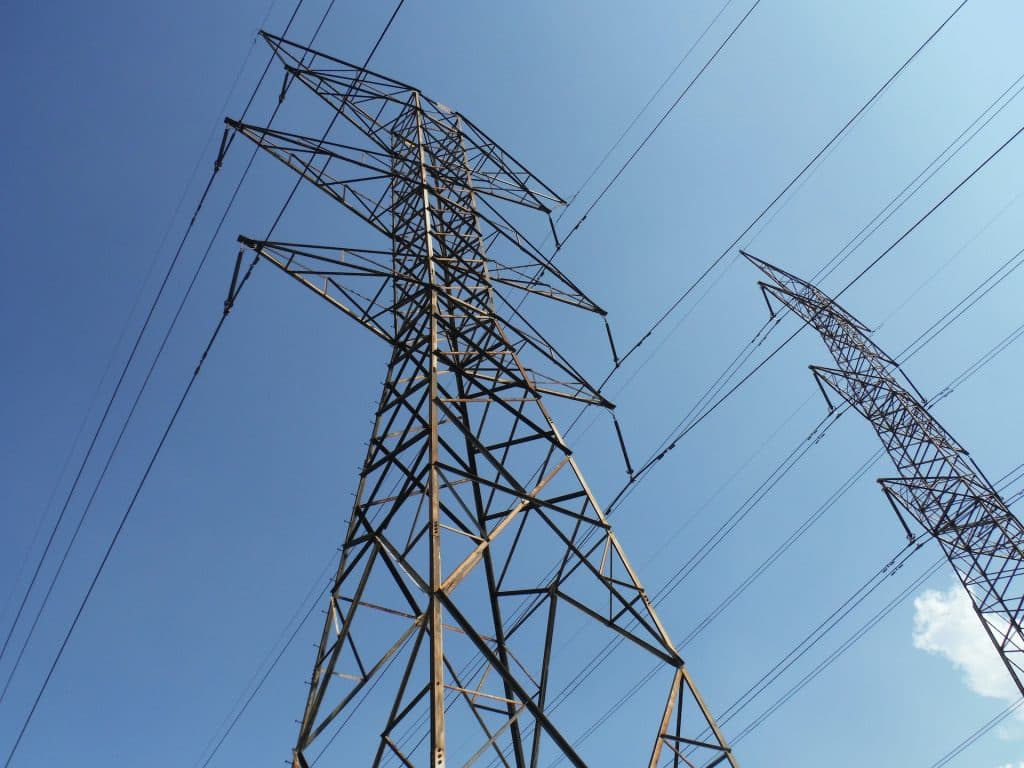
Extreme frost places high demands on the Czech transmission system due to higher electricity consumption for heating. Before 9 a.m. on 15 February, system load according to data from its operator ČEPS reached 12 292 MW in one minute, the highest value since 1990, from which relevant data are available. This was 200 MW higher than the previous record from the turn of February and March 2018, when Europe was also hit by a spell of freezing weather.
Part of peak load in the Czech Republic is helped by pumped-storage hydropower plants, which in turn normally consume electricity during periods of lower demand. Depending on the current situation in the system, the average hourly capacity needed to pump water into upper reservoirs thus reaches up to 1 111 MW, while the highest share of pumping in total system load over the year is roughly 16 %.
As detailed consumption statistics will not be available for several months, the aforementioned year 2018 can serve to illustrate peak system load during severe frost. However, it is necessary to take into account that the structure of electricity consumption has in recent months been affected by measures to limit the spread of COVID-19, with many premises, including restaurants, numerous services and retail outlets, remaining closed for long periods.
Household peak demand during frost reaches almost five times the summer minimum
Power system load is affected by a number of factors, including the economic situation, the time of year and day, whether a given day is a working day, weekend or public holiday, and last but not least the weather. In 2018, average hourly load, excluding water pumping at pumped-storage plants, ranged from 5 171 MW in July to a peak of 11 968 MW during February frost.
The seasonality of electricity consumption is also apparent in average monthly load values, which were lowest during the warmer half of the year, between April and September. In these months, average load ranged between 7 327 MW and 7 846 MW. In the remaining months, namely the first and fourth quarters, average monthly grid load excluding pumping ranged from 8 277 MW to 9 625 MW.
The highest variability in electricity demand over the year is seen among households, whose share of total hourly system load in 2018 ranged from a minimum of 10,4 % during the night of 12 June to 44,4 % on the evening of Christmas Eve. The higher share of households in total instantaneous consumption at the end of December is mainly due to lower consumption by small commercial consumers and industry during the Christmas holidays.
The pattern of household electricity demand over the year can be estimated using total annual consumption by distribution tariff, which the Energy Regulatory Office publishes in its statistics, and so-called standard load profiles.
As for demand itself, households’ lowest average hourly consumption was 758 MW during the night of 21 August, while August, due to the holiday period, was also the month with the lowest average monthly household load at 1 332 MW. By contrast, household consumption is highest in winter, when average hourly demand rose to 3 702 MW around noon on 25 February. February, at 2 451 MW, was also the month with the highest average household demand in 2018. In that month, household demand did not fall below 1 612 MW.
Households consume the most electricity for everyday appliances and water heating

In terms of the structure of household consumption over the full year, the largest share is attributable to everyday appliances, which according to data from the Energo 2015 survey consume around 30 % of electricity. Of this, more than one-third is consumed by refrigerators and freezers. According to the survey, televisions also account for a relatively high share of consumption, at 8,1 %, followed by washing machines and tumble dryers at nearly 6 %. Computers account for 4 % and dishwashers for a further 2 %; in 2015, more than one-third of households already had one.
However, in terms of individual uses of electricity, the largest share, a full one-fifth, goes to hot water preparation. Czech households also consume a substantial volume of electricity for cooking, at 16,5 %, and on average one-tenth of their consumption for lighting.
Electric heating is not yet as widespread among Czech households as it is, for example, in France or Scandinavia, yet according to the 2015 survey it accounted for more than 14 % of all household consumption. Nevertheless, at 7 422 TJ out of a total of 196 585 TJ, electricity accounted for not even 4 % of all energy consumed for household heating.
Households on distribution tariffs for electric heating (TDD 7) unsurprisingly also show the highest variability in electricity demand throughout the year. While in summer 2018 their grid offtake ranged approximately between 200 and 500 MW, during the winter months it rarely fell below 600 MW and reached up to 1 600 MW on the coldest days at the end of February.
Lower demand variability can be observed among households with storage appliances (TDD 5), namely electric boilers for hot water preparation, thermal storage heaters or electric vehicles. While these households’ demand fell to around 300 MW in summer, in winter it rose around 3 p.m., when storage appliances switch on during a shorter low-tariff interval, to as much as 1 100 MW.
Households equipped only with everyday appliances (TDD 4) show the lowest seasonality in terms of minimum load, which remained at around 300 MW for almost the whole of 2018. However, in terms of intraday volatility, the differences between peak and minimum demand are high, and their demand likewise rises in winter due to electricity consumption for lighting.
Industrial consumption is more stable over the year, but still rises during frost
Unlike households, electricity consumption patterns among small commercial consumers and large industry are more stable, although they are still affected by similar factors as households. For industrial and commercial consumers connected at the low-voltage level, a decline in demand is visible during weekends or public holidays, especially in the final week of the year, as well as during nighttime hours.
Small consumers without storage or heating appliances (TDD 1) drew at least around 200 MW from the system throughout 2018. On working days, however, demand reached up to 500 MW in the summer months and almost 650 MW in winter.
As with households, small consumers with storage appliances (TDD 2) have a smaller difference between peak and off-peak demand, as part of their consumption is shifted to periods of lower system load, normally nighttime hours. In summer, their demand therefore ranged between 200 and 400 MW, while in winter it rarely fell below 300 MW and reached 500 to 550 MW at peak.
As with households, the greatest seasonality can be observed among small consumers with electric heating (TDD 3), whose demand ranged between 100 MW during summer nights and weekends and as much as 500 MW during winter frost.
Public lighting (TDD 8) forms a separate consumption category, accounting for up to 175 MW throughout the year. During the winter months, however, average daily consumption is higher because of shorter daylight hours.
Among large consumers, engineering and the chemical industry account for the highest consumption
The largest electricity consumers in the Czech Republic are customers connected at the high-voltage, or extra-high-voltage, level, namely industrial consumers in particular. With the exception of the Christmas holidays and New Year, their share of total system load fell no lower than 50 %, even at weekends. In summer, the share of large consumers is even more pronounced due to lower household consumption.
Throughout 2018, large consumers’ demand only rarely fell below 5 000 MW, except at weekends, when minimum load normally reached around 4 000 MW in summer and roughly 4 500 to 5 000 MW in winter. A more pronounced decline was also apparent during Easter, at year-end and during the holiday period in July and August.
Conversely, peak demand reached 6 500 to 7 000 MW for most of the year, and 7 000 to 7 500 MW in the winter months. As with households and small consumers, consumption increased during the February frost, when large-consumer demand exceeded 8 000 MW.
In terms of the annual balance, engineering had the largest share of electricity consumption among industrial sectors in 2018, at 4 263 GWh, according to Eurostat data. The chemical and petrochemical industry ranked second with nearly 3 300 GWh, closely followed by the transport equipment sector with 3 241 GWh.
Production of non-metallic materials and iron and steel accounted for 2 474 GWh and 2 357 GWh, respectively. Next came the pulp, paper and printing industry (1 810 GWh), followed by food, beverage and tobacco manufacturing (1 667 GWh). Textile and leather processing consumed 757 GWh, construction 619 GWh, the wood and wood-products sector 559 GWh, the non-ferrous metals industry 413 GWh, and mining and quarrying of non-energy raw materials 372 GWh. Other industry accounted for 2371 GWh.
A substantial volume of electricity is also consumed by the transport sector, which used 1 753 GWh in 2018. According to Eurostat statistics, almost all of this was accounted for by rail transport (1 626 GWh), with only a small part used by road transport (68 GWh) or pipeline transport (47 GWh).
Electricity consumption in agriculture and forestry reached 961 GWh that year.
Even in summer, the Czech system gets little respite from constant load
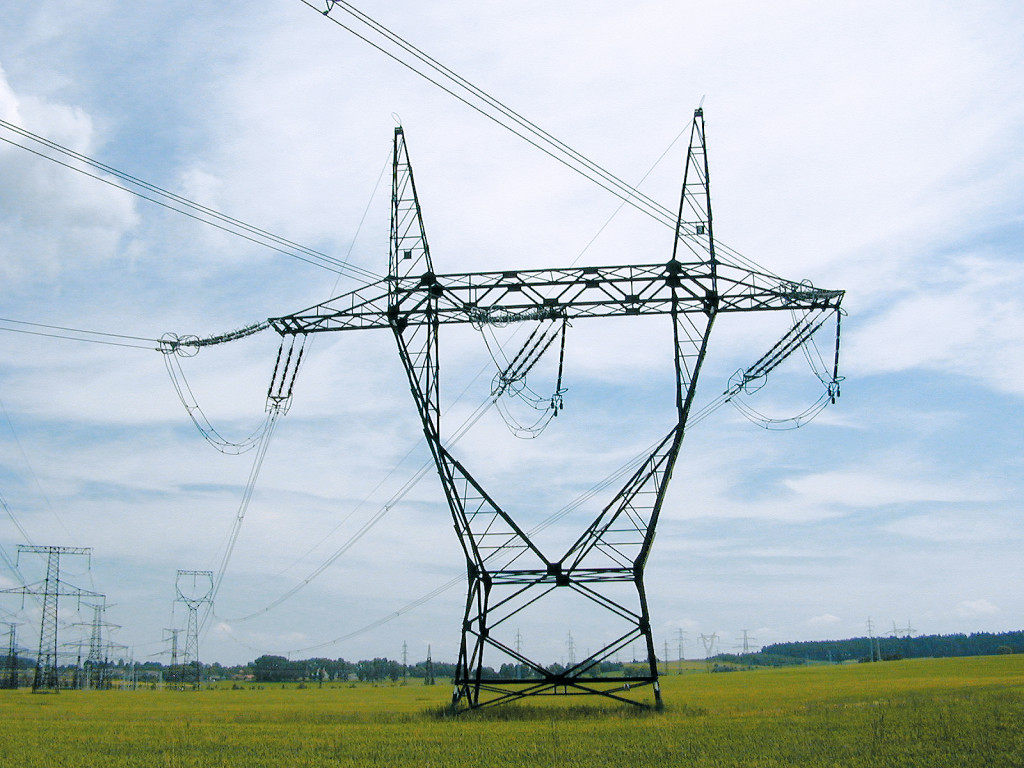
Although Czech system load is significantly lower outside peak-demand periods than during freezing winter days, it often does not fall below 5 000 MW even during summer nighttime hours.
Although until recently 2018 was the record year in terms of the highest instantaneous system load, summer minimum consumption also reached the highest level in recent years due to very high temperatures. Nevertheless, this was not a significantly above-average value, as minimum average hourly load over the last 10 years averages nearly 4 800 MW.
A closer look at 8 July 2018, when the year’s lowest average hourly system load occurred between 5 and 6 a.m., shows that most electricity was consumed by large consumers, with an almost 74% share. Households accounted for more than 17 % of system load in that hour, while small commercial consumers accounted for just under 9 %.
Given the variability of minimum load in individual years and the high temperatures in summer 2018, and therefore high minimum load, it can be expected that cooling equipment accounts for a substantial part of this demand. This includes both air conditioning and refrigerated units among large consumers, as well as refrigerators and freezers in households. These account for nearly one-tenth of average annual household consumption, so their share of minimum summer household demand is very likely to be significantly higher.
Likewise, individual hourly consumption figures show a higher proportional load among households with storage appliances, chiefly boilers for hot water preparation. While during the evening peak on that day households with boilers collectively consumed roughly two-thirds of the volume used by households with everyday appliances, their demand during nighttime hours was up to 80 % higher due to water heating.
With gradual electrification, both load and total consumption will probably continue to grow
Electricity currently covers only a smaller share of the total energy needs of most countries, and the Czech Republic is no exception. However, in view of the European Union’s plans to achieve carbon neutrality by 2050, it will be necessary to electrify the heating and transport sectors more intensively. In households alone, electricity accounted for the aforementioned less than 4 % of total energy consumed for heating a few years ago.
In households, the gradual shift to electric heating has been apparent in recent years both from consumption statistics by distribution tariff and from growing figures for heat-pump deliveries. According to statistics from the Ministry of Industry and Trade, heat-pump deliveries to the Czech market are steadily increasing. While in 2005 this amounted to only fewer than 1 500 units, more than 18 600 heat pumps were supplied to the Czech market in 2018, of which more than 90 % were air-to-water pumps. The statistics also show a growing share for this technology, as ground-to-water figures have instead tended to stagnate.
Although heat pumps require only a fraction of the electricity that direct electric heaters would consume, replacing fossil fuels with electric heating is highly likely to lead to further growth in power system load not only in the Czech Republic but also in other European countries. This will be especially true during severe frost, which hit Europe both in February 2018 and this year.
Similarly, the development of electric mobility is likely to result in further growth in both consumption and load, again especially in winter, when consumption is higher due to vehicle heating and home charging from small photovoltaic systems is limited by lower generation. Another future factor, with rising living standards, may be the gradual spread of air conditioning among households; increased load during hot summer days was already apparent in 2018, including at night when demand was at its minimum.
Translation disclaimer
This article is a machine translation of the Czech original and has not yet been fully reviewed. In case of any doubt, please refer to the Czech version.