
11 October 2026, 08:24
Loading...
A revolution in electric mobility? A new battery could change the rules of the game

Marek Kršák
24 September 2025, 11:09
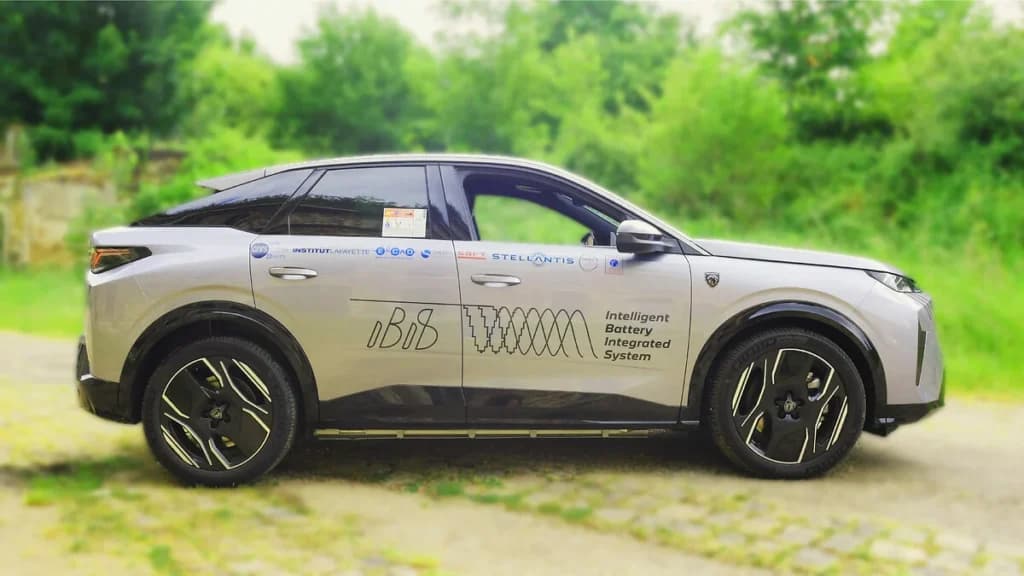
Stellantis unveiled a prototype electric vehicle on Friday with a battery that charges faster, is lighter and more affordable, and eliminates the need for a separate inverter and charger. The French-Italian-American automaker says the technology could be integrated into its mass-produced vehicles by the end of the decade.
The battery system, called IBIS (Intelligent Battery Integrated System), was developed in collaboration with Saft, a subsidiary of TotalEnergies. It is one of the first systems of its kind, saving weight and space while being easier to maintain.
Among the most frequently cited reasons for the slow development of electric mobility are the lack of affordable car models and slow charging. Stellantis has therefore focused on developing a battery that charges faster, is lighter and more affordable, and eliminates the need for a separate inverter and charger. As a result, the newly unveiled battery system is 10% more efficient than an electric vehicle with the same battery size and cuts charging time by one hour. The new IBIS battery is now undergoing road tests in the Peugeot e-3008.
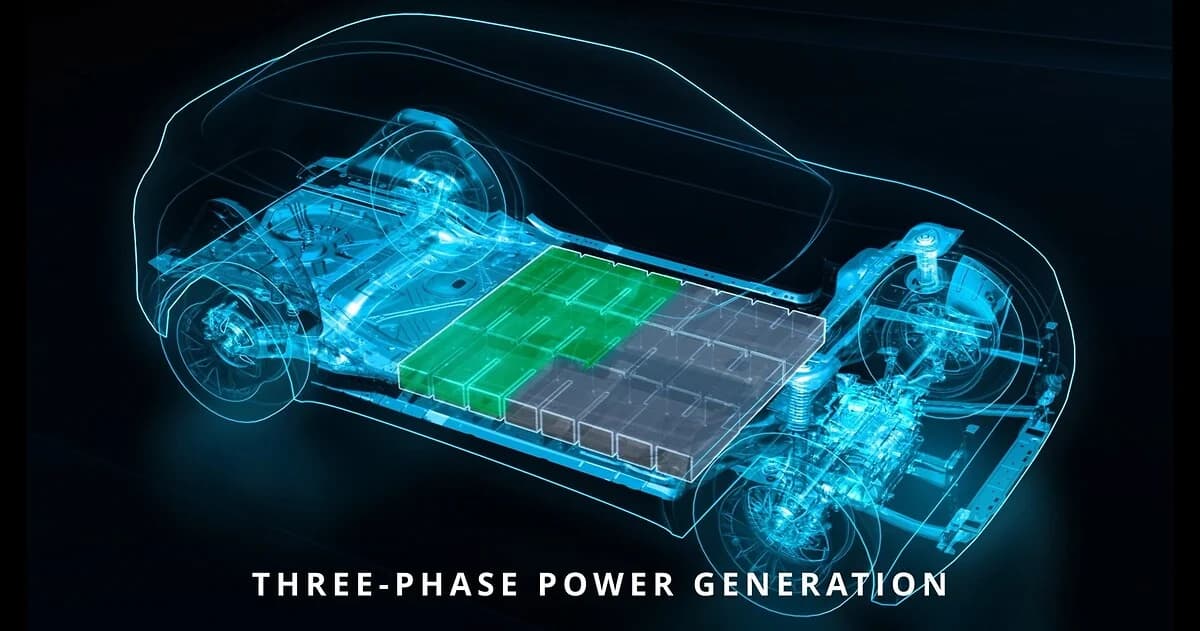
Stellantis IBIS battery system. Source: Stellantis
German automaker Porsche is also developing a “modular multilevel inverter” concept that integrates a range of separate electrical components into a single unit.
Today’s electric vehicles use an inverter to convert the direct current from the battery into alternating current to power the electric motor. When charging, alternating current from the grid is converted into direct current for the battery.
Stellantis said that in the IBIS system, these functions are integrated directly into the battery using electronic control with 200 transistors. This reduces vehicle weight by 40 kg, frees up space and cuts charging time by 15%.
Translation disclaimer
This article is a machine translation of the Czech original and has not yet been fully reviewed. In case of any doubt, please refer to the Czech version.
Sdílejte článek prostřednictvím:
You might also like


10 October 2026, 13:19

10 October 2026, 07:37

10 October 2026, 07:02