11 October 2026, 08:24
Loading...
German government has yet to agree on scrapping ban on sales of cars with combustion engines

Jan Budín
3 October 2025, 06:25
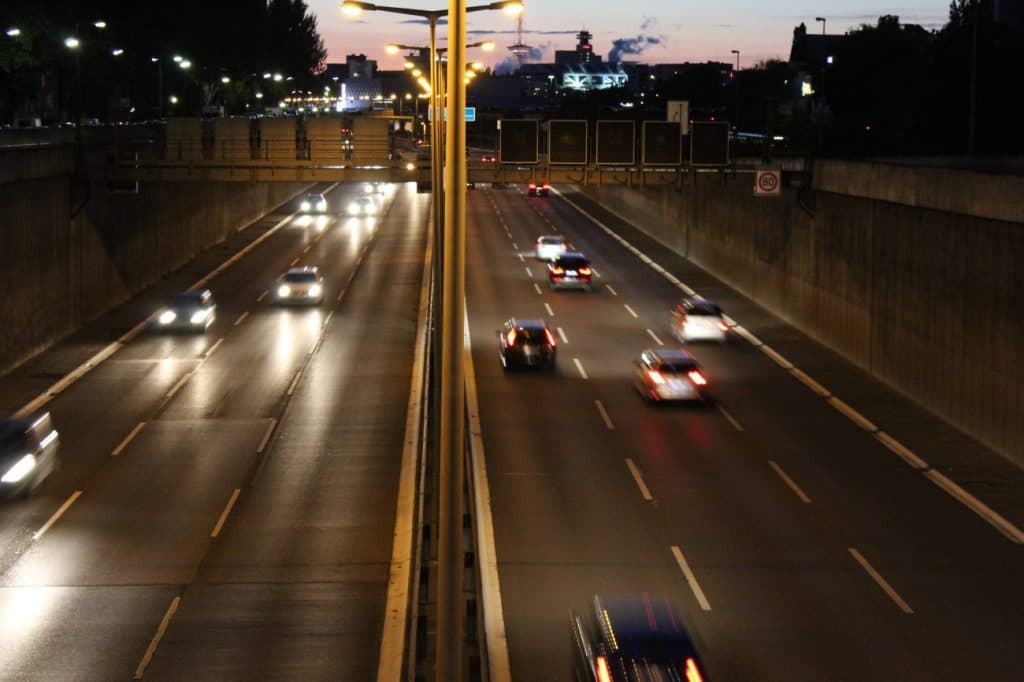
Germany’s governing coalition has yet to agree on a position regarding the possible scrapping of the ban on sales of new cars with combustion engines from 2035. Environment Minister Carsten Schneider (SPD) said this, declining to back comments made last week by Chancellor Friedrich Merz (CDU) about plans to scrap the ban. Clean Energy Wire, an international news service, reported.
Germany’s environment minister said he expects the country to abide by the regulatory framework, adding that the EU ban on sales of new cars with combustion engines from 2035 makes sense despite the many challenges currently facing Europe’s automotive industry.
“Companies that have invested huge sums in electromobility must be able to rely on this,” Schneider said, adding that he expects the coalition to reach an agreement soon.
Schneider thus declined to back comments by German Chancellor Merz, who said last week that he was in favour of scrapping the ban.
“It is fundamentally wrong for the state to prescribe a particular technology for a certain period of time,” Merz said.
The governing CDU party called for the ban on sales of new cars with combustion engines from 2035 to be scrapped even before this year’s elections, but it failed to get the measure included in the coalition agreement.
German automakers also oppose the ban
The most prominent German automotive association, the VDA, also called for the ban to be scrapped in June this year. In its 10-point plan for achieving climate-neutral mobility, it called for the requirement to cut emissions from newly sold cars to be eased from 100% by 2035 to 90%.
“The change would mean that a limited number of new cars with combustion engines could be registered after 2035,” said VDA President Hildegard Müller.
The VDA based its proposal on low electric car sales last year and generally weak demand for electric cars, which remains “well below the levels needed to meet climate targets”. The association also cited a lack of charging stations, modern electricity grids and subsidy schemes in many European countries as shortcomings of the planned transition to electromobility.
Meanwhile, Germany’s electric car market has recovered from a weak 2024 and returned to growth. This is reflected in new electric car registrations in the first half of this year, which rose 35% year on year and exceeded the previous record set in 2023 by 13%.
Germany would need cooperation from other countries
Finally, it is worth noting that Germany cannot reverse the ban on sales of new cars with combustion engines from 2035 on its own, as it is part of EU legislation. However, several member states, including the Czech Republic, have repeatedly called for the measure to be scrapped. According to Czech Transport Minister Martin Kupka (ODS), only technological developments should determine what people buy.
A large number of experts contacted by the international news service Clean Energy Wire view the situation similarly. Most consider the battle over 2035 to be symbolic, saying it is unlikely that most consumers will choose a combustion engine within this timeframe, given recent technological advances and falling costs for electric cars.
Translation disclaimer
This article is a machine translation of the Czech original and has not yet been fully reviewed. In case of any doubt, please refer to the Czech version.
Sdílejte článek prostřednictvím:
You might also like

10 October 2026, 13:19

10 October 2026, 07:37

10 October 2026, 07:02