
7 November 2026, 13:37
Loading...
BNEF: Global electricity storage power capacity could reach 650 GW by 2030

Jan Budín
15 October 2023, 08:08
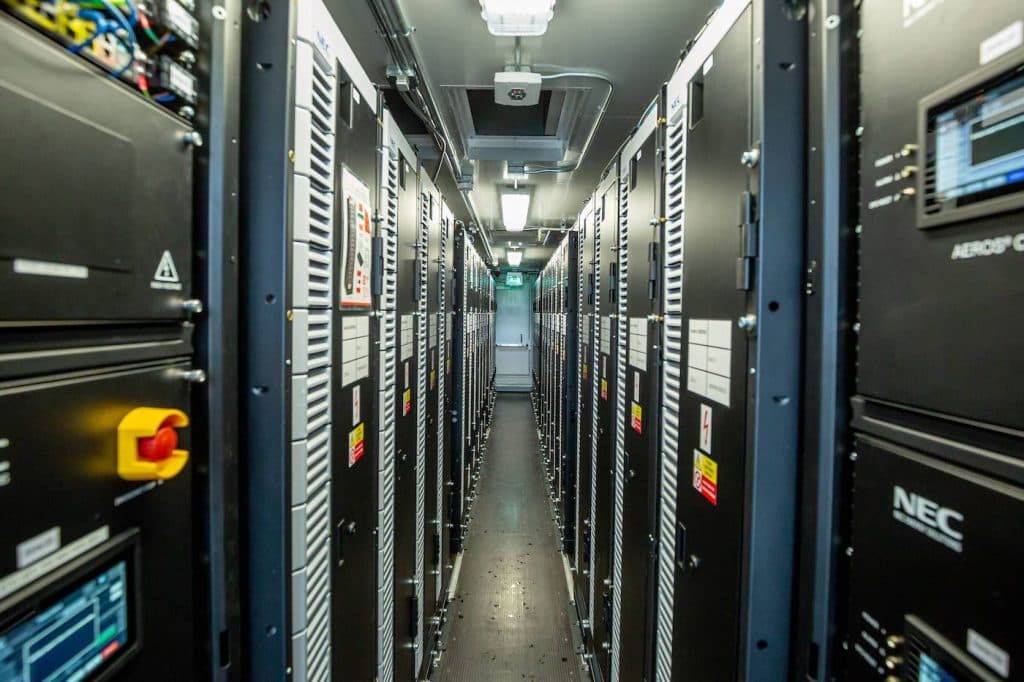
Researchers at BloombergNEF (BNEF) expect electricity storage facilities with a total power capacity of 42 GW and energy capacity of almost 100 GWh to be commissioned this year. Average annual growth of 27% is expected through 2030, bringing annual additions to 110 GW and 372 GWh. If the outlook proves accurate, around 650 GW of electricity storage will be in operation worldwide in 2030.
BNEF’s latest outlook for electricity storage deployment once again significantly raises its projections from the previous year. Last year, BNEF forecast global installed power capacity of 411 GW and energy capacity of 1,194 GWh for these facilities in 2030 (excluding pumped-storage hydropower plants), while this year’s outlook has been revised to 650 GW and 1,877 GWh.
According to BNEF, electricity storage deployment is being driven by both increasingly ambitious decarbonisation targets and support measures introduced by individual countries. Countries that have recently opened up to electricity storage development include Japan, Poland, the United Kingdom and Australia, for example.
China nevertheless remains the largest market for electricity storage and is expected to retain its leading position throughout the period covered by the outlook.

History and outlook for annual installations of electricity storage facilities (excluding pumped-storage hydropower plants). Source: BNEF
According to BNEF, lithium-ion batteries will continue to dominate in the coming years. Demand for alternative technologies, including those targeting longer-duration electricity storage, remains limited, BNEF says. It is highest in Asia, where around 85% of the global power capacity of these facilities has been installed since 2020.
Translation disclaimer
This article is a machine translation of the Czech original and has not yet been fully reviewed. In case of any doubt, please refer to the Czech version.
Sdílejte článek prostřednictvím:
You might also like

6 November 2026, 14:13

6 November 2026, 10:25