
25 October 2026, 08:20
Loading...
Top 10 energy stories from last week
oEnergetice.cz
27 October 2024, 21:34
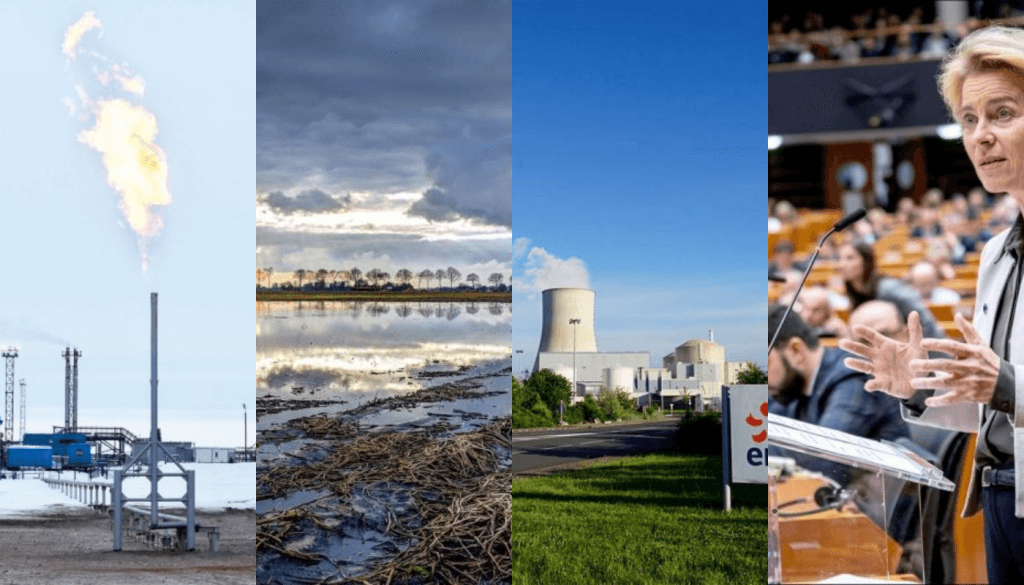
This week, we once again bring you a carefully selected list of the ten most important articles we published on oEnergetice.cz. If you missed any of them, here is a selection of the articles that caught our readers’ attention the most. Good luck in the new week!
1. Another milestone for Germany’s energy “backbone”: first underground cable installed
Construction of the SuedLink transmission line in Germany, which is intended to help connect the country’s windy north with its sunny south, has reached another milestone. One of the country’s transmission system operators has laid the first sections of underground cable. The direct-current transmission line, with a total length of around 700 km, will run through six federal states and is intended to help make more efficient use of renewable energy.
Germany’s energy sector transformation, also known as the Energiewende, requires not only intensive development of renewable energy sources but also expansion of transmission infrastructure. One of its key components is the SuedLink line, which is intended to help address problems caused by insufficient transmission capacity within Germany.
Read the full article HERE.
2. Report: An exceptional September for Czech energy. Weather had a major impact on electricity generation

Electricity generation in the Czech Republic was significantly affected by the weather in September this year. While output from solar power plants lagged behind the trend seen so far this year, generation from hydropower plants and wind farms rose exceptionally sharply. Statistics, on the other hand, show that generation from fossil fuels continues to decline. A new monthly report shows how the energy sector in Czechia is changing over time.
The Czech energy sector continues to feel the effects of high electricity prices. Electricity consumption fell slightly in September, and for the year as a whole it remains around 1% lower than over the same period last year. This is shown by statistics published by the transmission system operator via the ENTSO-E platform.
Read the full article HERE.
3. Czech firms’ role in the completion of Dukovany remains uncertain as EDF signs contracts

Many questions remain over the largest contract in Czech history: the construction of two new units at the Dukovany nuclear power plant. These concern financing, a possible transformation of ČEZ, and complaints by France’s EDF and the US company Westinghouse over the selection of Korea’s KHNP as supplier. The extent of Czech industry’s involvement is also a major issue, with the state seeking to guarantee at least a 60% share for domestic companies. So far, however, no binding agreements have been reached on this front, and everything remains at the level of declarations, raising concerns about the planned signing of the contract with the supplier in March 2025.
Meanwhile, against the backdrop of these debates, French energy giant EDF is signing actual contracts for nuclear projects in Czechia. In September, EDF subsidiary Framatome first signed an agreement with Plzeň-based Škoda JS to supply two additional sets of reactor internals for the EPR reactors the French company will build as part of the UK’s Sizewell C project.
Read the full article HERE.
4. Analysts: Global markets set for biggest LNG influx in the near future

Global markets are soon set to see the largest influx of liquefied natural gas (LNG) supplies yet, with far-reaching and lasting effects. The new supplies are likely to create a prolonged period of oversupply in the market by the end of 2026, lasting until 2030 and potentially driving prices down significantly. CNBC reported today, citing a report by investment bank RBC Capital Markets.
“The largest wave of new LNG supplies to date will reshape the global market in the coming years. The effects will be broader than during previous periods of growth, given the increasing interconnectedness of regional markets following the Russia-Ukraine conflict,” RBC analysts said.
Read the full article HERE.
5. Europe is holding back cement decarbonisation: outdated standards threaten the industry’s future
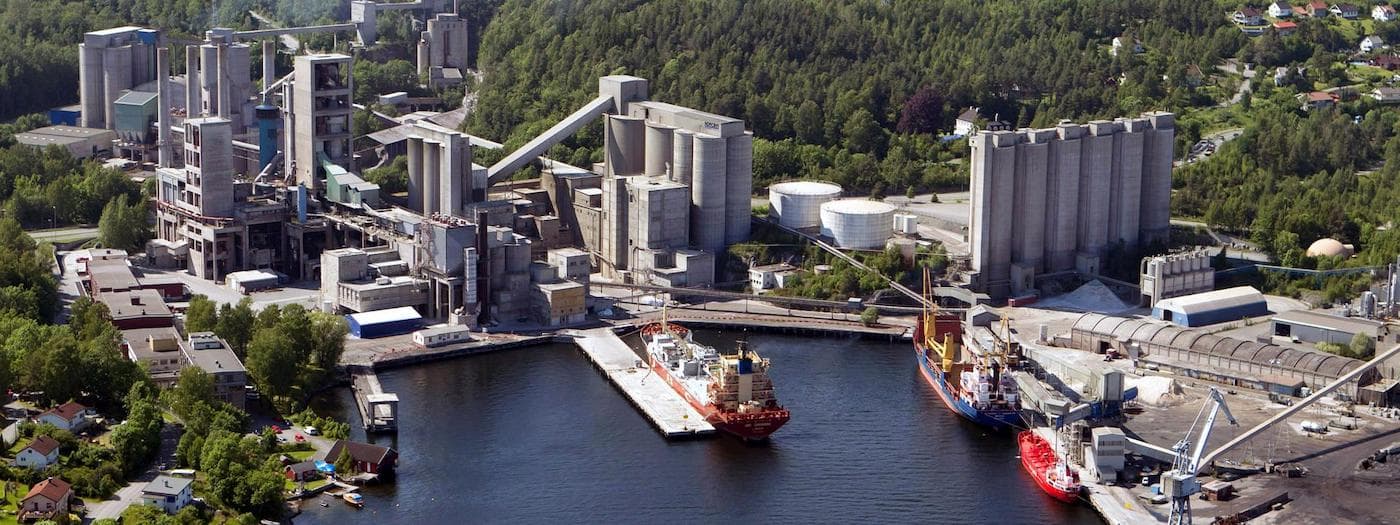
According to the Alliance for Low-Carbon Cement and Concrete, Europe is lagging behind other regions in decarbonising cement production. The reason, it says, is outdated industry standards. The result is an uneven playing field and significant barriers to market access for innovative low-carbon technologies. Euractiv reported on the issue.
The European Union aims to achieve carbon neutrality in sectors such as transport and heating, but according to the Alliance for Low-Carbon Cement and Concrete, favourable conditions have yet to be created for something as essential and inseparable from our lives as concrete production. The alliance says it aims to accelerate cement decarbonisation in Europe. However, it faces various obstacles, particularly in the form of outdated European standards.
Read the full article HERE.
6. Prague to use geothermal energy from Metro Line D at Nové Dvory

Prague will use geothermal energy from the Metro Line D project at Nové Dvory, on the border of Prague 4 and Prague 12. Heat pumps will use it to heat or cool buildings planned for the area. The pumps will be installed in the metro structure. This follows a document approved today by Prague City Council. The project is one of 69 initiatives in the so-called climate plan, under which Prague aims to reduce the amount of carbon dioxide in the air. Similar systems are operating in Austria, Germany, the UK and South Korea, among other countries.
“The project involves harnessing geothermal energy from the lining of the Metro Line D tunnel near Nové Dvory station and using industrial heat pump technology to heat and cool buildings in the immediate vicinity,” the document says.
Read the full article HERE.
7. Bill that would allow cuts to renewable energy support moves to final approval

The Chamber of Deputies today sent a government amendment to the Energy Act to its final reading. The amendment would allow the government to reduce the amount of state budget funding for renewable energy support. The bill, known as Lex OZE III, was originally intended primarily to amend the rules for electricity storage and for pooling electricity generation and consumption—that is, aggregation and storage. The government wants to add its plan to limit support through amendments. MPs have today registered around 40 proposals.
The Chamber of Deputies’ session ended after the amendment was discussed. MPs will meet again next Tuesday.
Read the full article HERE.
8. Electricity prices in PPA contracts continue to fall; now is the ideal time to sign one, platform says
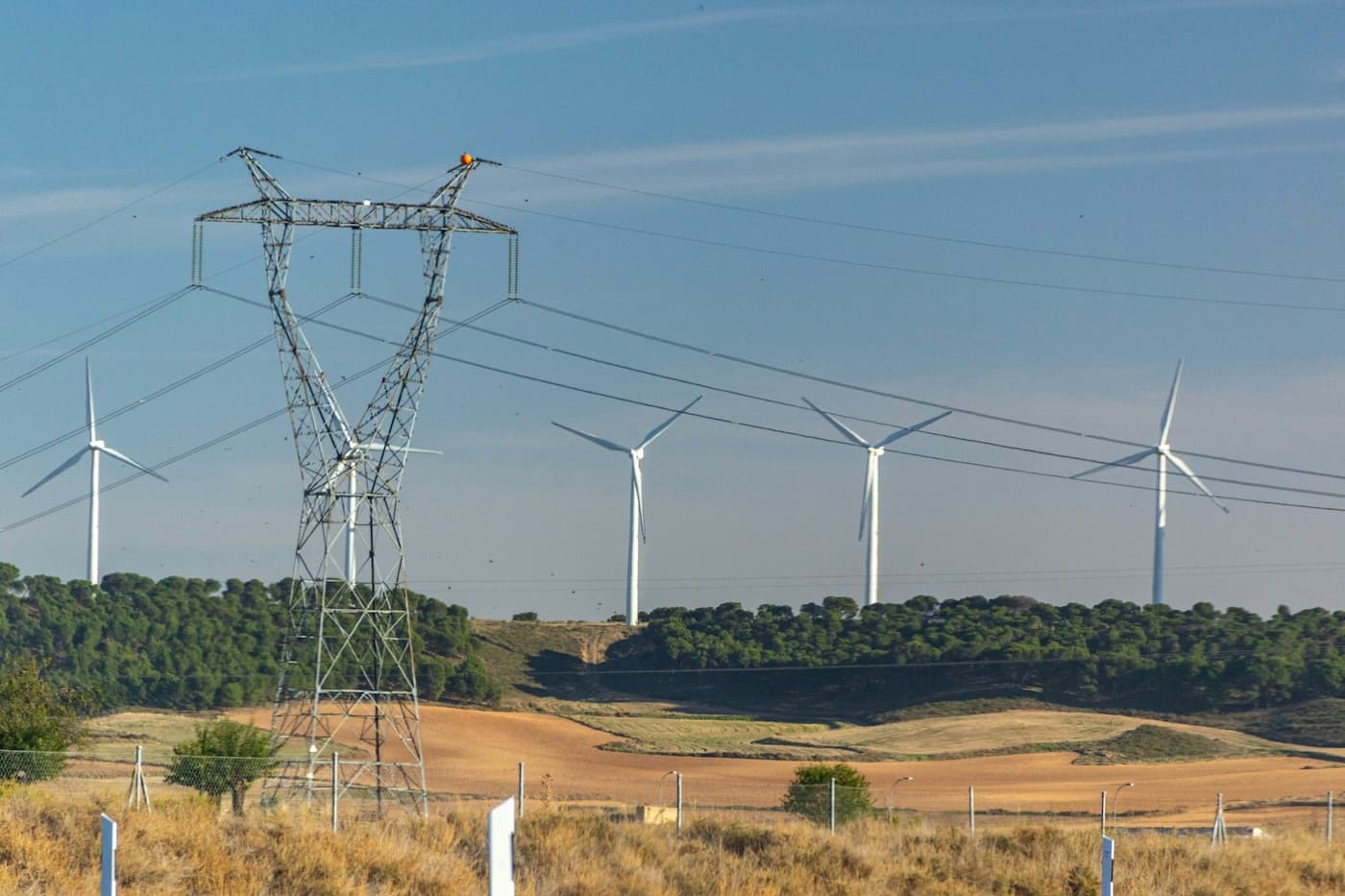
The price of electricity sold under long-term power purchase agreements (PPAs) fell by around 12% year on year in the third quarter of this year. The platform LevelTen reported this in its regular update. In the platform’s view, current market conditions could make this a good time to sign a PPA.
Relatively favourable conditions in wholesale markets and among renewable energy developers were reflected in the average price of electricity sold under PPAs in the third quarter. These contracts are currently relatively popular with both renewable energy developers and companies looking to cover their electricity consumption with renewable power.
Read the full article HERE.
9. Rising demands on Germany’s grids: how to secure raw materials and skilled workers?

Germany’s distribution grids will require significant investment by 2045. Germany should support the establishment of additional manufacturing sites to prevent bottlenecks in the supply of necessary components, especially cables and transformers. Otherwise, delays in grid expansion could slow the transformation of Germany’s energy sector. This is the conclusion of a study by the German energy industry association BDEW and the electrical and digital industry association ZVEI.
Germany’s distribution grids face challenges related to connecting new renewable energy sources, energy storage systems, heat pumps and charging stations. To meet these needs, the country’s electricity grids must be expanded, strengthened and, in some cases, modernised. In addition to capital and skilled workers, this requires the availability of essential materials and equipment, such as cables and transformers.
Read the full article HERE.
10. Znojmo opposes construction of wind farm in Austria’s Mailberg
Znojmo opposes the construction of a wind farm in Mailberg, Austria, 17 kilometres from the South Moravian city. It sent a letter to Lower Austrian Governor Johanna Mikl-Leitner, who, according to Znojmo Deputy Mayor Jiří Kacetl (Pro Znojmo), forwarded it to the relevant deputy to respond. Znojmo considers the project an unacceptable intrusion into the landscape, and Kacetl told the Czech News Agency that the city would use every legal avenue to prevent this and other wind farms from being built near the city.
Fifteen 250-metre wind turbines are planned near the Austrian village, making them more than five times taller than the tallest church towers. “The site where they are to be built is clearly visible from Znojmo Castle, the rotunda and Hradiště,” said Mayor František Koudela (ODS). Znojmo argues that tourism, which employs a large share of the population, is an important part of the local economy. An Austrian investor would transform the landscape near Znojmo into an industrial wind farm visible from far away, potentially deterring tourists.
Read the full article HERE.
In focus
Karel Polanecký (Hnutí DUHA): We had time to prepare; we can manage the end of coal

Recently, media reports have discussed an early exit from coal in Czechia. The phase-out was originally expected around 2033, but the year 2028 is now being mentioned. The main reason is simply that coal is no longer profitable for operators. This may raise concerns about the security of heat and electricity supplies.
At oenergetice.cz, we would like to present perspectives on this issue from across the range of viewpoints. Over the coming weeks, we will publish a series of exclusive interviews in which representatives of different schools of thought will answer a similar set of questions about the end of coal in Czechia.Read the full article HERE.
Energostat: electricity generation in the Czech Republic
Data in this chart is also available in 15-minute resolution60min15min
Energostat: electricity generation in Germany
Data in this chart is also available in 15-minute resolution60min15min
More up-to-date charts and data are available on Energostat
Translation disclaimer
This article is a machine translation of the Czech original and has not yet been fully reviewed. In case of any doubt, please refer to the Czech version.
Sdílejte článek prostřednictvím:
Topics:Energy Weekly
You might also like

23 October 2026, 14:38