Top 10 energy stories from the past week

This week, we once again bring you a carefully curated list of the ten most important articles we published on oEnergetice.cz. If you missed any of them, here is a selection of the stories that caught our readers’ attention the most. Best of luck in the new week!
1. What to expect from electricity and gas prices in 2025? TEDOM energie’s perspective

Three years have passed since the collapse of Bohemia Energy, one of the largest energy suppliers. For hundreds of thousands of customers who opted for three-year fixed-price contracts at the time, a key decision-making moment has now arrived. At the same time, more time has passed since the 2021 energy crisis, but its after-effects are still being felt in the market. Added to this is growing pressure on the regulated component of electricity prices due to the investment needed in infrastructure, which affects costs for households and businesses alike.
How will the energy commodities market develop in 2025, and what will it mean for customers? We asked several electricity and gas suppliers.Read the full article HERE.
2. Czech solar power plants generated a record amount of electricity last year, with almost 15% produced “for free”

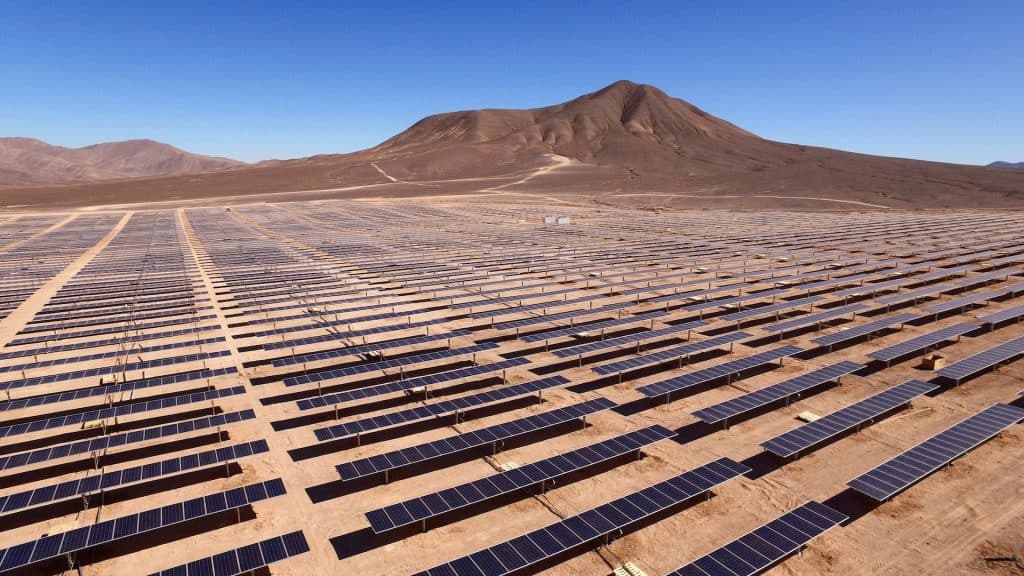
Generation from solar power plants reached 3.9 TWh in 2024, according to preliminary data submitted by ČEPS to the ENTSO-E system. This is a record annual output for solar power sources. However, record generation also has a downside. Almost 15% of the electricity these plants produced was “for free”—that is, at zero or negative electricity prices.
Solar power plants in Czechia have had a record year. Last year, for the first time, they were the country’s third-largest source of electricity. Only generation from lignite and nuclear power plants exceeded solar output; these sources have long dominated the Czech energy mix.
Read the full article HERE.
3. 2024: Key trends shaping energy development in Central and Eastern Europe
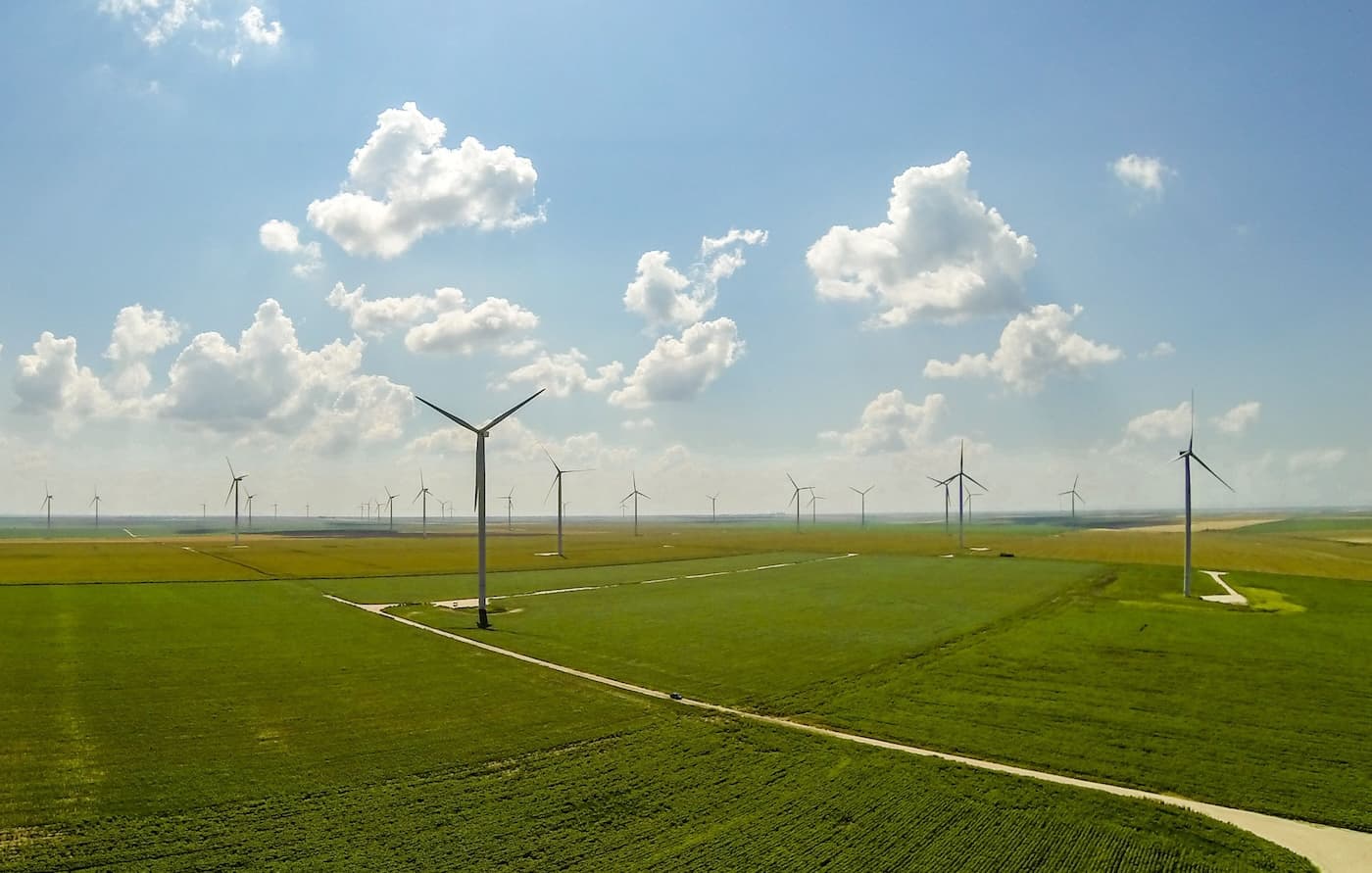
Several major events shaped the global energy landscape in 2024: the June EU elections, the US elections, and the Draghi report will all have an impact on the energy sector, both globally and locally. So what shaped energy in Central and Eastern Europe over the past year?
As reported by CEEnergyNews, nuclear energy became a key topic in Central and Eastern Europe in 2024, partly thanks to progress in small modular reactors (SMRs). The Czech Republic reinforced its nuclear ambitions by selecting Korea Hydro & Nuclear Power (KHNP) to complete the Dukovany site. ČEZ also began preparatory work on building SMRs.
Read the full article HERE.
4. Europe is building LNG terminals, but imports are lagging: What to expect in 2025
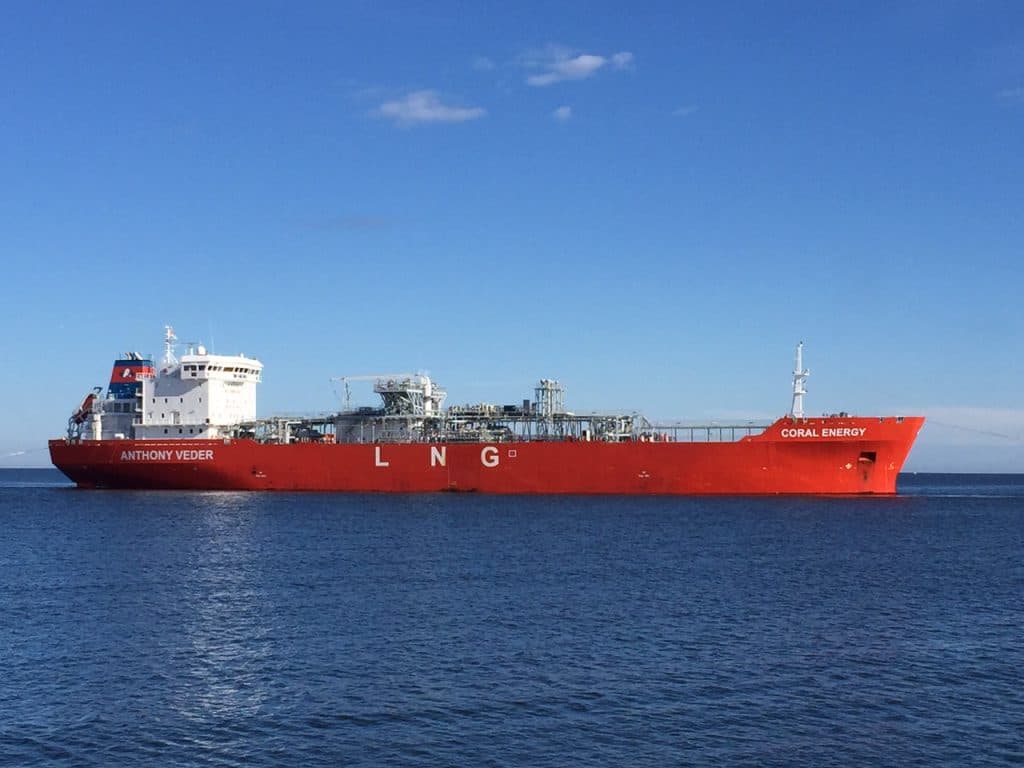
Europe continues to invest in LNG terminals, even as the pace of growth slowed in 2024 and LNG imports to the region declined. Traders, however, expect a shift in 2025 following the expiry at the turn of the year of the gas transit agreement between Russia and Ukraine. This could increase LNG imports to offset shortfalls caused by restrictions on Russian pipeline gas supplies, according to S&P Global Commodity Insights.
The strategic importance of liquefied natural gas (LNG) in Europe increased following Russia’s 2022 invasion of Ukraine and the resulting energy crisis. European countries began actively seeking alternative energy sources and diversifying import routes to ensure the region’s energy security.
Read the full article HERE.
5. Ukraine to raise gas transport fees for domestic customers
From 1 January, Ukraine will quadruple gas transport fees for domestic customers to offset lost revenue following the expiry of the agreement on the transit of Russian gas to Europe. Reuters reported this today, citing Ukrainian officials.
Ukraine’s energy regulator approved an increase in the fees to around 502 hryvnias (almost CZK 300) per 1000 cubic metres of gas, up from 124 hryvnias.
Read the full article HERE.
6. EU to discuss halt to Russian gas transit through Ukraine

Brussels, 2 January (ČTK correspondent) – The impact of the halt to Russian gas transit to Europe through Ukrainian territory will be discussed on Friday at an extraordinary meeting of the Energy Working Party within the Council of the EU. The group comprises experts from the relevant ministries of EU countries and from their permanent representations to the European Union. The working party, a preparatory body of the Council of the EU, will meet by videoconference. Slovak Prime Minister Robert Fico has warned in particular of the severe consequences of the halt to transit. According to ČTK sources, a meeting between representatives of Slovakia, the European Commission and Ukraine is also due to take place next Tuesday.
As expected, Ukraine halted Russian gas transit to Europe through its territory on 1 January. This followed the end of a five-year contract between Ukraine’s Naftogaz and Russia’s Gazprom. Kyiv justified the move on national security grounds, saying that Moscow partly finances its war against Ukraine through commodity sales. Slovak Prime Minister Robert Fico warned of “severe consequences” for the entire EU from the interruption of transit, while Polish Foreign Minister Radosław Sikorski welcomed it as a victory. Ukrainian President Volodymyr Zelenskyy called it one of Moscow’s greatest defeats. Czech officials believe the move will not affect Czechia and will mainly have a negative impact on Slovakia.
Read the full article HERE.
7. Record volumes of gas flowed to US LNG export terminals at the end of the year
The global liquefied natural gas (LNG) market has become more important than ever to European markets in recent years. With Russian gas supplies to Europe declining—and falling further after gas transit through Ukraine was halted—Europe will rely even more on LNG imports. But supply is just as critical as demand in determining prices on the global market, and it is expected to continue growing. Export capacity is also set to expand further in the United States, where new liquefaction trains are gradually coming online. At the end of last year, record volumes of gas flowed to US terminals.
Liquefied natural gas supplies have been crucial to meeting Europe’s energy demand in recent years. The United States has recently become the world’s largest LNG supplier, despite exporting no significant volumes before 2016. However, with the expansion of domestic oil and natural gas production through hydraulic fracturing of shale, US gas exports began to grow rapidly.
Read the full article HERE.
8. 2024 saw a record number of negative electricity prices in the EU, with Finland recording the most

2024 set a record for the number of hours with negative electricity prices on spot markets in EU countries. Compared with the previous record year, 2023, the number almost doubled. The year-on-year number of hours with zero electricity prices rose even more sharply, tripling. This is shown by data published on Energostat, which draws on the ENTSO-E Transparency Platform.
As installed solar and wind capacity grows, so does the number of hours with zero or negative prices on European day-ahead electricity markets. These prices occur when electricity demand is insufficient during hours of high output from these sources.
Read the full article HERE.
9. Ukraine ends Russian gas transit to Europe
Ukraine halted the transit of Russian gas to the European Union and Moldova, the RBK-Ukraine news website reported today, citing the gas pipeline operator. This followed the end of a five-year contract between Gazprom and Naftogaz. Russia’s Gazprom confirmed that gas exports to Europe via Ukraine ended at 08:00 Moscow time (06:00 CET), as the transit agreement had expired, Reuters reported. Ukraine’s Energy Ministry also announced that transit had ended at 07:00 Kyiv time (06:00 CET), citing “national security”, Reuters reported. “We have stopped the transit of Russian gas. This is a historic event,” Energy Minister Herman Halushchenko said.
The valves were closed at 7 a.m. both at the entry point to the Ukrainian gas pipeline system on the Russian-Ukrainian border and at the exit point on Ukraine’s border with Slovakia, RBK-Ukraine reported.
Read the full article HERE.
10. Slovakia has yet to respond to gas transport offer; Czechia is ready

Slovakia has not yet responded to the Czech offer to provide gas transport capacity. If needed, the domestic infrastructure is ready to supply gas to Slovakia immediately, without any further modifications, Czech Industry and Trade Ministry spokesperson Marek Vošahlík told ČTK today.
At the end of last year, Industry and Trade Minister Lukáš Vlček (STAN) offered Slovakia Czech gas transport and storage capacity in a letter to Slovak Deputy Prime Minister and Economy Minister Denisa Saková. He made the offer in response to the halt to gas transit to Slovakia through Ukraine.
Read the full article HERE.
Energostat: electricity generation in the Czech Republic
Energostat: electricity generation in Germany
More up-to-date charts and data are available on Energostat
Translation disclaimer
This article is a machine translation of the Czech original and has not yet been fully reviewed. In case of any doubt, please refer to the Czech version.