Top 10 energy stories from the past week
This week, we once again bring you a carefully selected list of the ten most important articles published on oEnergetice.cz. If you missed any of them, here is a selection of the articles that attracted the most interest from our readers. Best of luck in the new week!
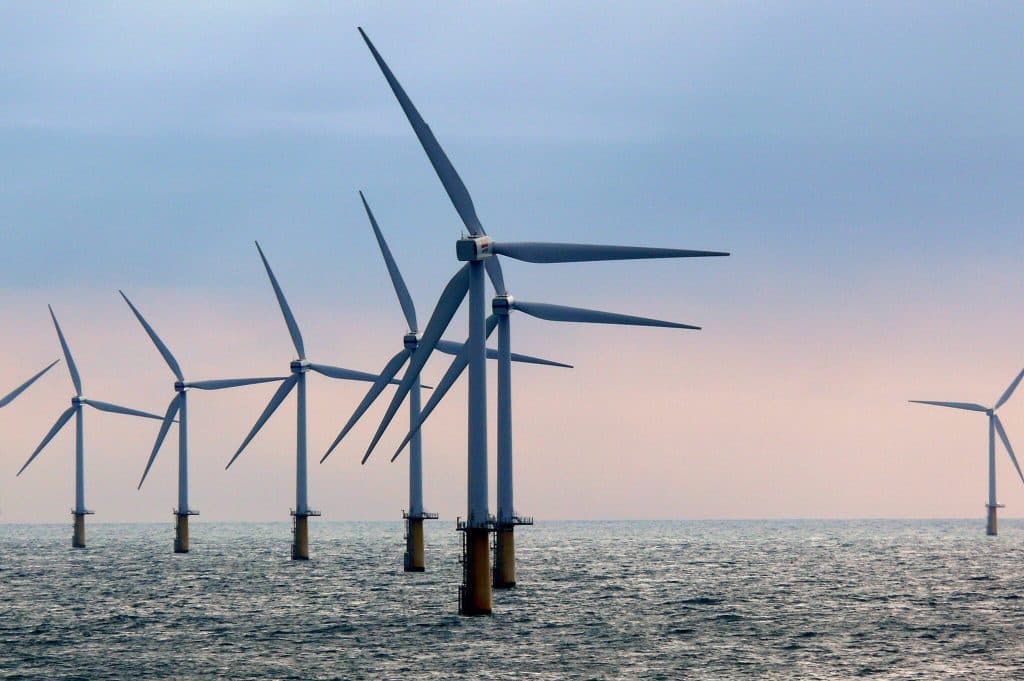
1. Chinese turbines are breaking records. Can Europe’s wind industry withstand the mounting pressure?

European producers of wind turbines have been sounding the alarm in recent months. Their Chinese competitors have seen a meteoric rise in recent years, both in technological development and in manufacturing capacity. This growth has been driven primarily by massive domestic orders and state support programmes.
Now that domestic demand has been met, Chinese companies are setting their sights on expanding exports and increasing their share of the global market. The European industry fears a repeat of what happened in the solar panel sector in the past.
Read the full article HERE.
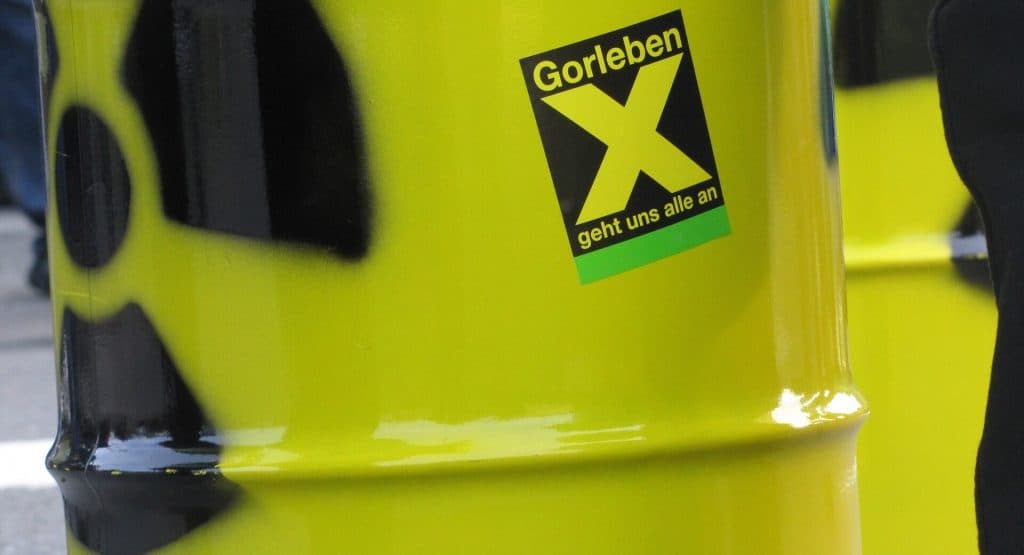
2. KernD: Up to six nuclear reactors could return to operation in Germany
The end of nuclear power generation and its impact on Germany’s energy sector remain frequent topics of debate. According to the German organisation KernD, it would theoretically be possible to bring several nuclear reactors back into operation. They could help the country secure its independence from electricity imports. However, the former operators of Germany’s reactors do not share this optimism.
Germany shut down its last nuclear reactors almost two years ago, bringing its nuclear power generation to an end for the time being. Debate over the possible restart of the closed reactors has returned to the spotlight in the wake of recent parliamentary elections. This week, the German organisation KernD said it would be possible to restart up to six closed nuclear reactors. According to Reuters, the organisation’s members include subsidiaries of Westinghouse and Framatome, for example.
Read the full article HERE.
3. Ukraine’s mineral wealth: What is at stake in the global energy game?
As the war in Ukraine continues, diplomatic talks have stalled. With President Donald Trump’s administration taking office, the geopolitical landscape is changing dramatically, particularly after the unfortunate meeting with Ukrainian President Volodymyr Zelensky in the Oval Office. The expected deal that would give the US access to Ukraine’s rare-earth mineral deposits has yet to materialise. What mineral wealth can Ukraine offer?
The so-called “Victory Plan” did not come through. For now. From an energy perspective, the most interesting point is number four: strategic economic potential, through which Ukraine offers its strategic partners a special agreement on the joint protection of the country’s critical resources, as well as joint investment in and use of this economic potential.
Read the full article HERE.
4. France’s EDF asks European Commission to review nuclear tenders in the EU
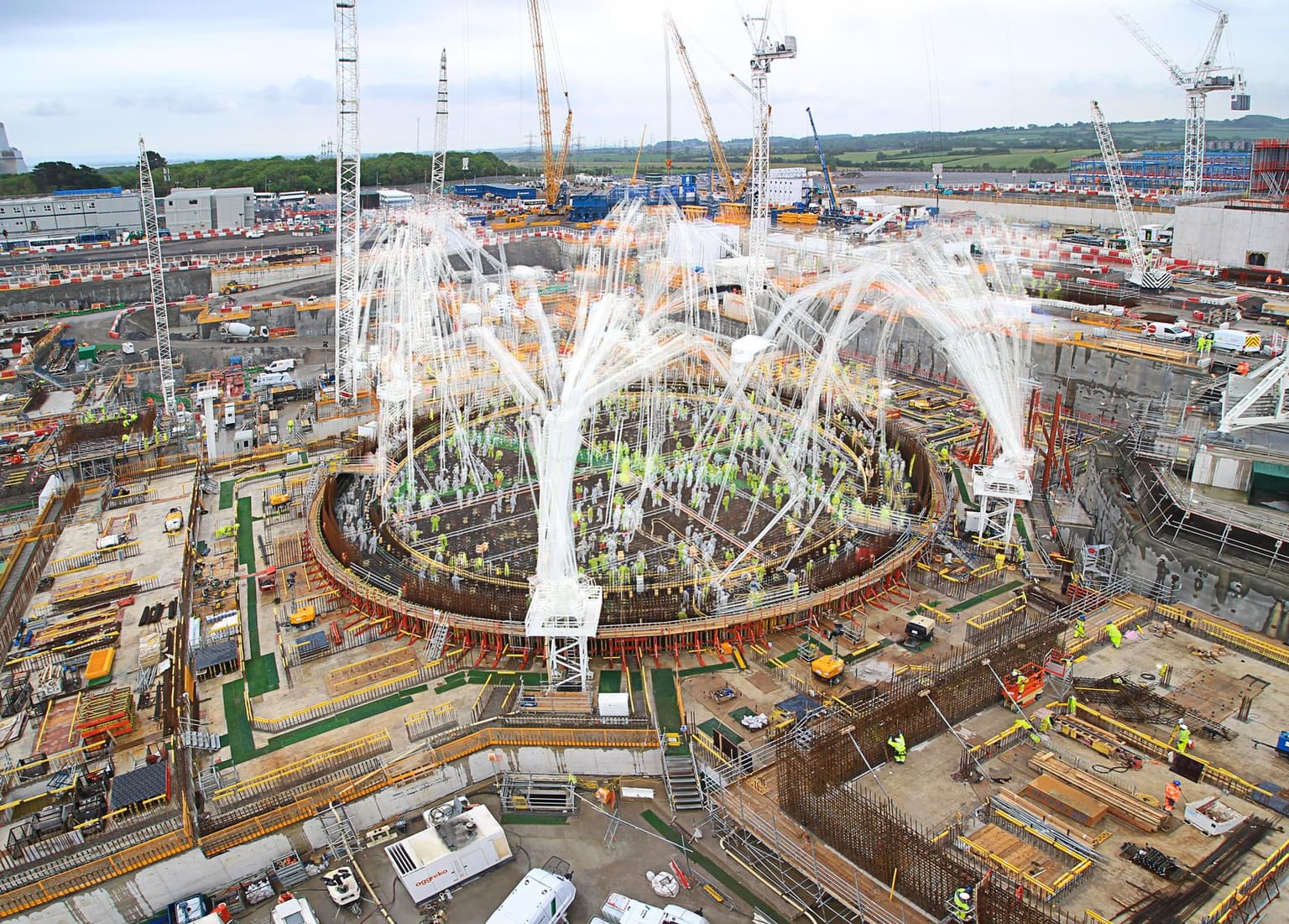
French energy company EDF has asked the European Commission (EC) to review nuclear tenders in the European Union. The company said so in a letter to Commission President Ursula von der Leyen. Citing the news outlet Contexte, Euractiv reported on the matter. EDF was one of the bidders for the completion of the Czech Dukovany nuclear power plant.
The company wants the Commission to examine the terms of nuclear tenders in Europe. It emphasises the importance of fair competition between European and non-European companies in EU nuclear tenders. EDF does not mention Dukovany directly in the letter, but according to Euractiv, the context suggests that the project is also covered. Euractiv has obtained a copy of the letter.
Read the full article HERE.
5. Study of modular reactor at Vřesová suspended due to Trump’s executive orders
Work on a study into the siting of a small modular reactor (SMR) at the Vřesová site, operated by Sokolovská uhelná and SUAS GROUP, has been suspended following relevant executive orders by US President Donald Trump. The company used a grant from the US State Department’s Phoenix programme. The suspension of foreign aid by the US administration has made the completion of the study uncertain, SUAS GROUP Chairman David Najvar told the Czech News Agency (ČTK).
“The feasibility study for our project to site a small modular reactor at Vřesová is currently on hold on the part of the US consultants. Under executive orders issued by the US president’s administration, it was decided to suspend this programme for 90 days for the time being. Communication with our state is continuing, however, to ensure the conditions needed for the nuclear site, which is a prerequisite for the next stages of the project,” Najvar said.
SUAS GROUP could receive up to 1.5 million dollars (approximately 34.5 million crowns) to prepare the feasibility study. The company was expected to contribute around 0.5 million dollars (CZK 11.5 million). Under the funding arrangement, the grant covers the work of the US consultants preparing the study.
Read the full article HERE.
6. Pressure grows in Spain to delay the phaseout of nuclear power

Spanish lawmakers are urging the government to reconsider the gradual phaseout of nuclear power generation. Representatives of Spanish industry have also joined calls to review plans for a complete nuclear phaseout in the country. Spain approved the gradual shutdown of its seven nuclear reactors in 2019. The first four are due to stop generating electricity by 2030, with the rest to follow five years later.
Pressure is mounting in Spain to review the gradual phaseout of nuclear power generation. The Congress of Deputies (the lower house of parliament) approved a motion containing eight measures aimed at extending the use of nuclear energy in the country. Spain adopted its plan to phase out nuclear power over a 15-year period in 2019.
Read the full article HERE.
7. Italy’s return to nuclear power: Government approves key legislation

Last Friday, the Italian government adopted a law paving the way for the country’s return to nuclear power, less than 40 years after a referendum led to the end of its nuclear programme. Prime Minister Giorgia Meloni called the law an important step towards energy security and self-sufficiency.
The law, which must be approved by the Italian parliament, gives the government a mandate to adopt the specific regulations needed to resume the use of nuclear energy. Energy Minister Gilberto Pichetto Fratin said, according to Reuters, that he expects the process to be completed by the end of 2027.
Read the full article HERE.
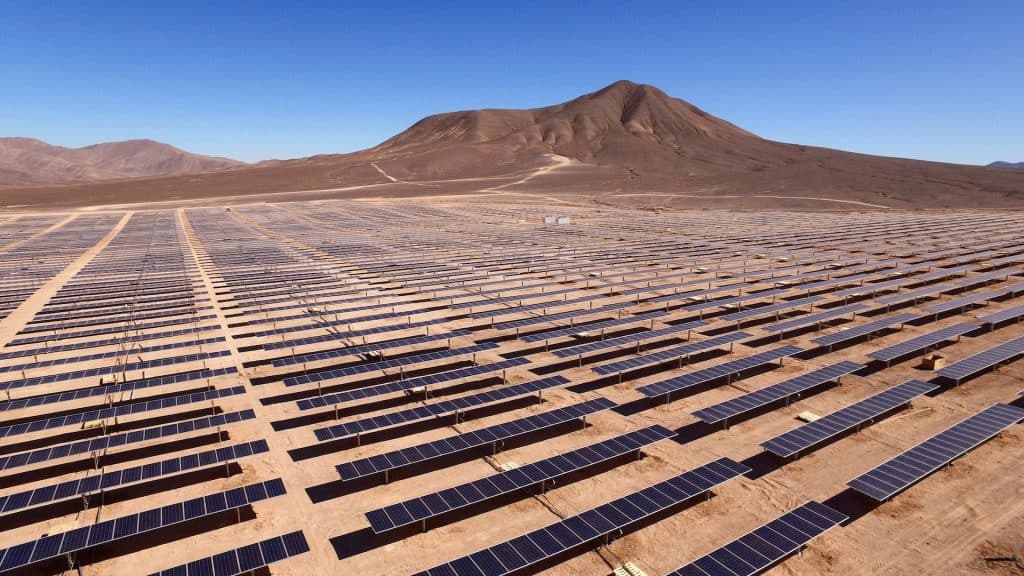
8. Association: New conditions for solar power are crippling; Czech Republic faces arbitration claims
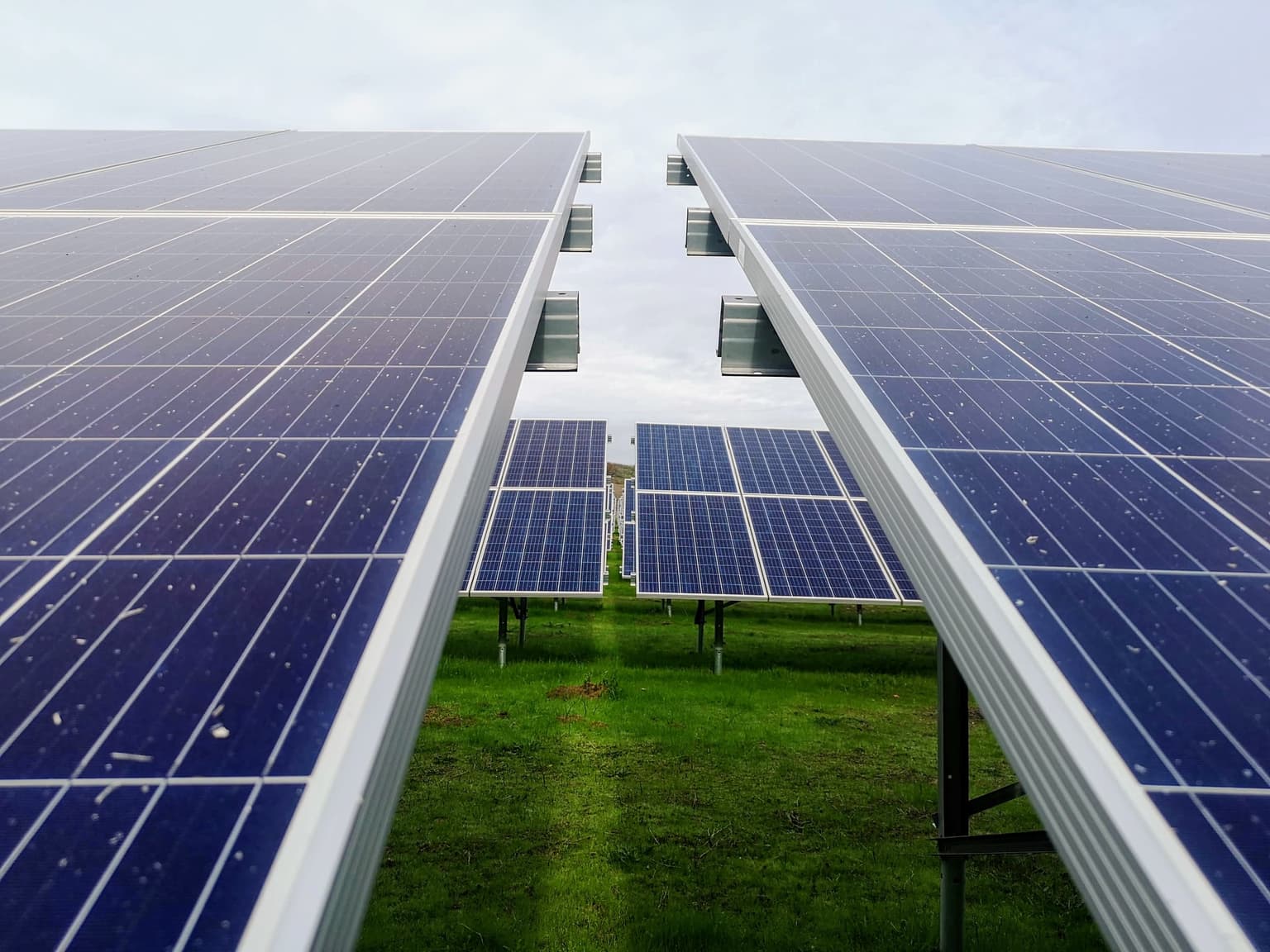
The Czech Republic faces arbitration claims from foreign investors over a newly approved amendment to the Energy Act, the Czech Solar Association says. The amendment, which introduces new conditions for operators of older solar power plants, is, in its view, incompatible with Czech and European legislation and will jeopardise the further development of renewables in the Czech Republic. The Finance Ministry has previously said the measure simply strengthens oversight and that it is not concerned about possible arbitration claims.
On Tuesday, the Chamber of Deputies approved an amendment to the Energy Act that, among other things, introduces new requirements for operators of solar power plants in the country. Solar plants with a capacity of more than 30 kilowatts that began operating in 2009 and 2010 will now be subject to individual profitability checks.
Read the full article HERE.
9. From bureaucracy to efficiency: European Commission modernises carbon border levy
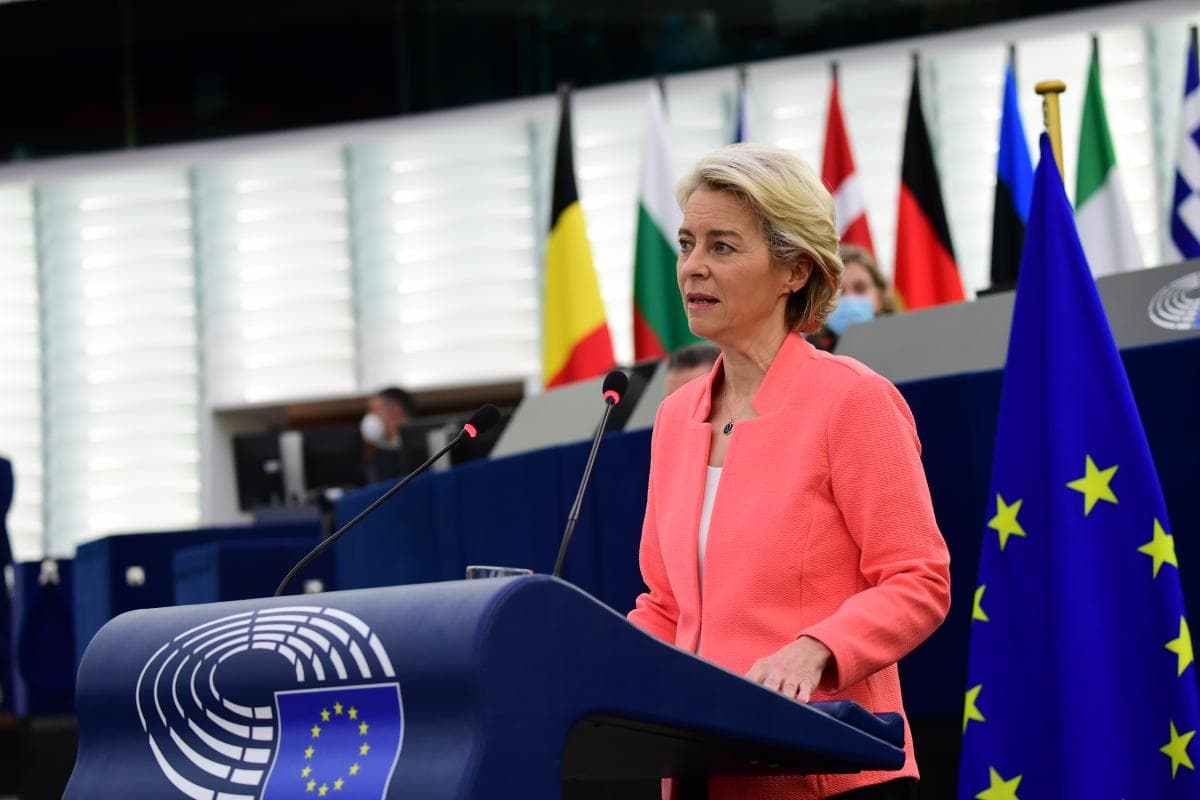
On 26 February 2025, the European Commission presented a package of proposals aimed at simplifying EU sustainability rules and boosting business competitiveness. The package also includes changes to the Carbon Border Adjustment Mechanism (CBAM), intended to reduce the administrative burden and make the measure more effective, the Commission said in its press release.
The proposals focus on reforming sustainability reporting, sustainability due diligence, the EU taxonomy, CBAM and investment programmes. The key objective is to create a more favourable business environment that supports growth, innovation and investment. The main measures include reducing administrative costs by 6.3 billion EUR annually and unlocking up to 50 billion EUR in additional investment.
Read the full article HERE.
10. Biomethane plant in Dobruška begins supplying renewable gas to the GasNet grid

People in Dobruška and the surrounding area began heating their homes with a unique renewable gas this winter. A biomethane plant has started operating in the town, becoming the first in the Hradec Králové Region to supply its renewable gas to the public GasNet distribution network. The plant in Dobruška uses mainly cow manure and leftover feed to produce the gas. With an installed capacity of 3.4 MW, it can produce up to 3 million m3 of renewable gas per year.
The plant is part of ZD Dobruška a.s., which operates both crop and livestock production and is one of the leading Czech milk producers. Between 2022 and 2024, ZD Dobruška expanded its original biogas plant with an additional investment of CZK 120 million and upgraded it to produce biomethane. The biogas plant previously produced only electricity, heat and fertiliser as a by-product. Farmers are now also producing biomethane here, which has the same properties as natural gas and can be injected into the gas grid.
Read the full article HERE.
Energostat: electricity generation in the Czech Republic
Energostat: electricity generation in Germany
Find more up-to-date charts and data on Energostat
Translation disclaimer
This article is a machine translation of the Czech original and has not yet been fully reviewed. In case of any doubt, please refer to the Czech version.