
25 October 2026, 08:20
Loading...
Top 10 energy stories from the past week
oEnergetice.cz
28 September 2025, 16:08

This week, we’re once again bringing you a carefully selected list of the ten most important articles we published on oEnergetice.cz. If you missed any of them, here’s a selection of the articles that attracted the most interest from our readers. Good luck in the new week!
1. Ústí nad Labem Region prepares for possible prolonged disruption to energy supplies
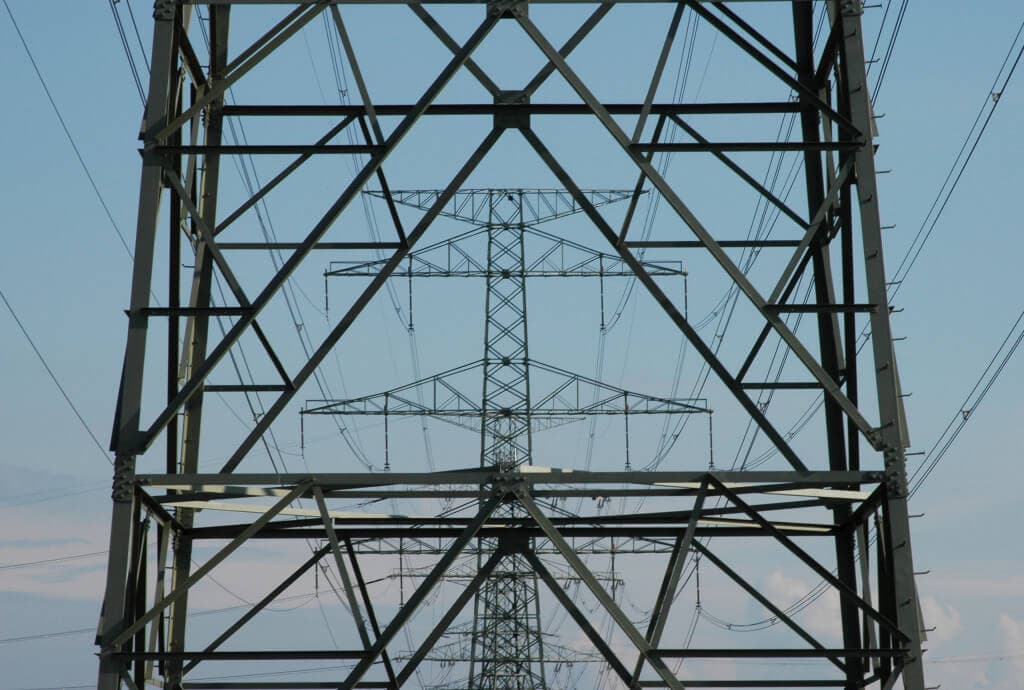
Ústí nad Labem Region wants to prepare for a possible prolonged disruption to energy supplies. It will inspect its generators and fuel reserves, and wants to enable connection to the Pegas radio network. Regional Governor Richard Brabec (ANO) said this. Experts are still investigating the circumstances surrounding the rupture of a phase conductor—the cable that carries electricity between power plants and substations—which caused a massive power outage in Czechia on 4 July. It lasted several hours and affected about one million customers, ČEPS spokesperson Lukáš Hrabal told the Czech News Agency.
According to the conclusions of the security council, the extensive power outage showed that Ústí nad Labem Region can cope with a short-term disruption to supplies, but a longer blackout could lead to the failure of essential services. The analysis set out tasks to improve preparedness. One is to check the technical condition of the generators used by hospitals as backup power sources. Other publicly funded organizations, such as residential facilities providing social services, should also become energy self-sufficient in the future.
Read the full article HERE.
2. A revolution in electromobility? New battery could change the game

On Friday, Stellantis unveiled a prototype electric vehicle featuring a battery that charges faster, weighs less and is more affordable, while eliminating the need for a separate inverter and charger. The French-Italian-American automaker says the technology could be integrated into its mass-produced vehicles by the end of the decade.
The battery system, called IBIS (Intelligent Battery Integrated System), was developed in collaboration with Saft, a subsidiary of TotalEnergies. It is one of the first systems of its kind, saving weight and space while being easier to maintain.
Among the most frequently cited reasons for the slow growth of electromobility are a shortage of affordable car models combined with slow charging. Stellantis has therefore focused on developing a battery that charges faster, weighs less and is more affordable, while eliminating the need for a separate inverter and charger. As a result, the newly unveiled battery system is 10 % more efficient than an electric vehicle with a battery of the same size and cuts charging time by one hour. The new IBIS battery is now undergoing road tests in the Peugeot e-3008.
Read the full article HERE.
3. Expert: BC panel technology will become photovoltaics’ holy grail. Why?

Leading global photovoltaics expert Radovan Kopecek (founder and director of the ISC Konstanz institute, which specializes in the development and testing of photovoltaic cells) will speak at the Smart Energy Forum conference in Prague on 15–16 October 2025. In his presentation, Kopecek will describe the main trends in photovoltaic panels. Ahead of his visit, we asked him a few questions about promising PV technologies and the future of photovoltaics.
In 2022, it took 68 years for 1 TW of new photovoltaic systems to be installed worldwide. In 2024, it took just 2 years for installed photovoltaic capacity to double to 2 TW. How do you think the photovoltaic industry will change by 2030?
Read the full article HERE.
4. Slovakia and Hungary to increase pipeline capacity, Eustream says

Bratislava, 22 September (Czech News Agency correspondent) — The capacity of the gas pipeline interconnector from Hungary to Slovakia will rise by a quarter to 4.38 billion cubic metres of gas a year. Slovak gas transmission system operator Eustream, which agreed the increase with its Hungarian counterpart FGSZ, announced this today. The route has become more important since Russian gas transit to Slovakia through Ukraine ended this year.
The newly agreed capacity, which would roughly cover Slovakia’s gas consumption last year, applies to the Veľké Zlievce/Balassagyarmat pipeline hub. The move follows measures taken within the FGSZ system. It is intended to improve gas flows in both directions, including through the use of new and planned liquefied natural gas (LNG) capacity.
Read the full article HERE.
5. Construction of giant cooling tower completed at China’s Lianjiang nuclear power plant

Technicians have completed construction of a giant cooling tower nearly 220 metres tall at China’s new Lianjiang nuclear power plant. It ranks second among the world’s tallest cooling towers and is the tallest cooling tower at a nuclear power plant. Chinese nuclear power plants mainly use direct cooling with seawater, and Lianjiang 1 is the first unit to use a secondary circulating cooling system. Thanks to the cooling tower, the plant will discharge considerably less water into the sea, at a lower temperature.
China’s State Power Investment Corp (SPIC) announced that construction of the first unit at the Lianjiang nuclear power plant had reached an important milestone. Less than two years after the foundations were completed, construction of the giant cooling tower, which is more than 200 metres tall and uses seawater, is now finished. Technicians will now begin installing the tower’s internal components.
Read the full article HERE.
6. Estonia opens its first rare-earth magnet factory

Canadian company Neo Performance Materials has opened Europe’s first large-scale factory dedicated to producing rare-earth magnets. The company’s management expects demand to triple over the next ten years.
The factory, built in Estonia, began production on Friday. The company has signed its first contracts with German suppliers Schaeffler and Bosch.
Read the full article HERE.
7. Russia overtakes Australia as South Korea’s largest coal supplier

Although Russia’s coal sector has arguably been hit harder by European sanctions than any other area of the energy industry, the country continues to export to other regions. Russian coal is still being shipped to South Korea, for example, and last month Russia even became the largest supplier to that market. Congestion at key Australian export terminals also played a part, opening the way for larger coal shipments to Korea not only from Russia but also from Indonesia.
South Korean coal-fired power plant operators have been increasing coal imports from Russia and Indonesia since June this year, according to S&P Global. The reason was the usual seasonal rise in demand during the summer, as well as constraints at key Australian export terminals. Delays and operational disruptions caused by bad weather limited coal shipments from the Australian port of Newcastle.
Read the full article HERE.
8. Poland reports its gas storage facilities are 100% full
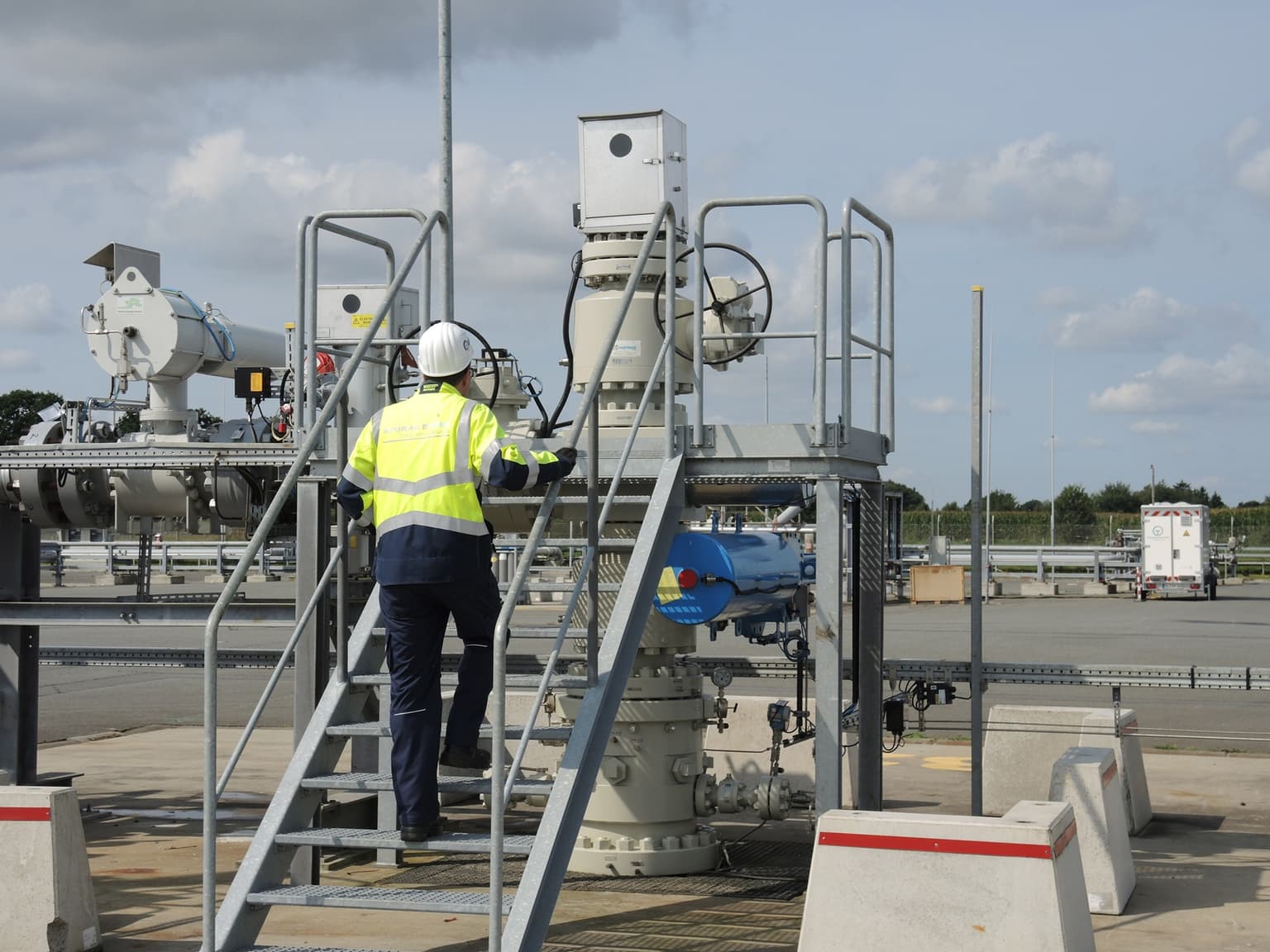
Poland announced that its natural gas storage facilities were 100% full as of 24 September 2025, the highest level among EU member states, according to Energy Minister Miłosz Motyka. The minister said full storage facilities strengthen the country’s energy security and provide “real protection against crises”.
Analysts say Poland’s achievements cannot be separated from its import diversification and infrastructure strategies: Poland has an LNG terminal in Świnoujście with an import capacity of 5 billion m³ per year, which is set to be expanded to 7.5 billion m³. Together with the Baltic Pipe and other interconnectors, this capacity helps reduce dependence on gas supplies flowing from east to west. Despite the current situation, maintaining the 100% level through the winter, when consumption rises significantly, will be a challenge.
Read the full article HERE.
9. Nuclear association warns of uranium shortages as top producers report declines
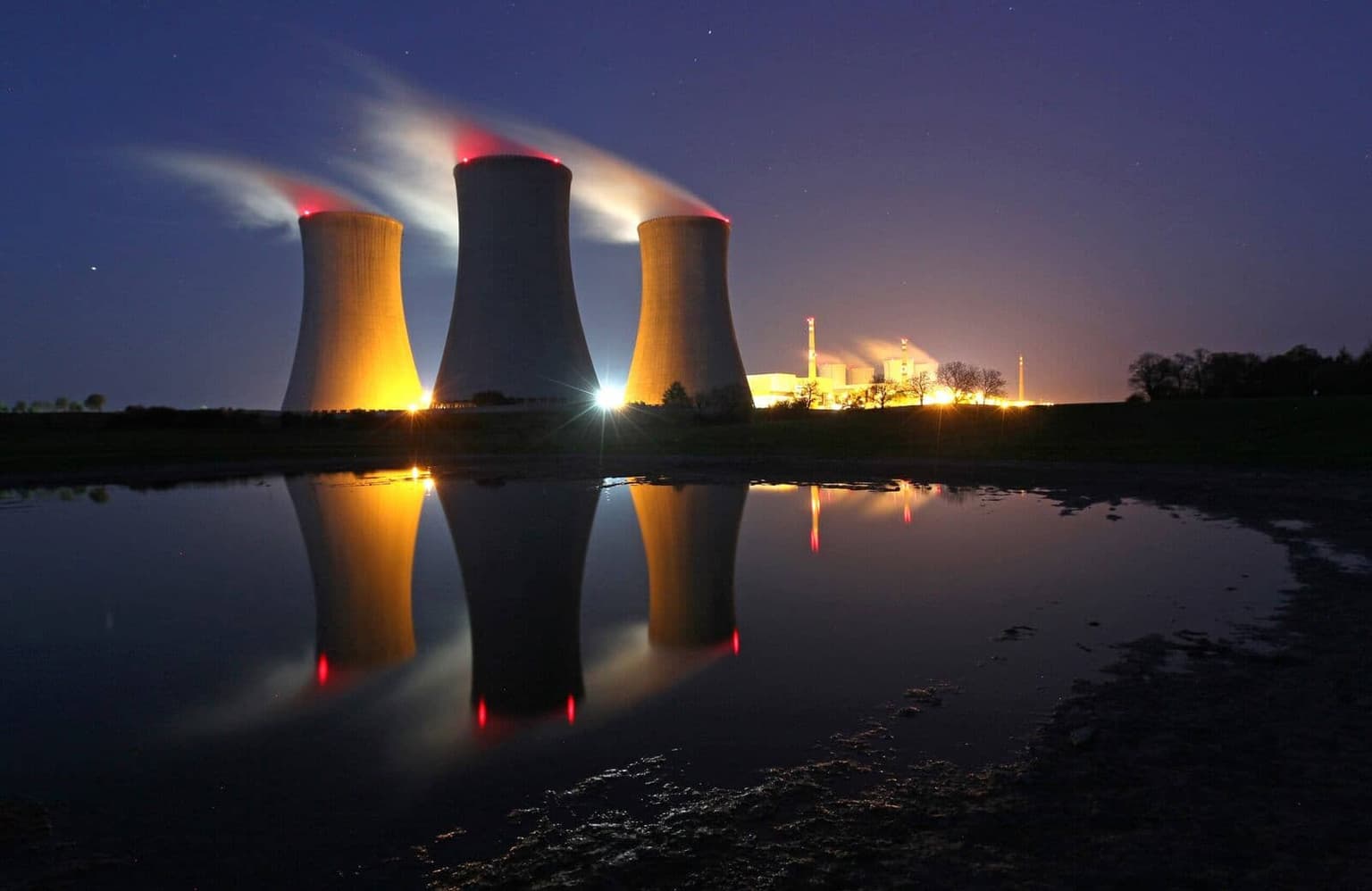
As nuclear power expands, demand for nuclear fuel is also rising. According to projected scenarios, primary uranium sources will prove insufficient. Accelerated investment in mining, conversion and enrichment facilities is essential. The world’s two largest producers have reported that they expect production to decline.
The World Nuclear Association (WNA) publishes a report on uranium supply and nuclear fuel demand every two years. Since the last edition, interest in nuclear power and the construction of nuclear reactors have increased, affecting projections of expected consumption. Particularly ambitious growth plans are in China and India.
Read the full article HERE.
10. EIFlexi: How ALPACA is changing the balancing services market in Czechia
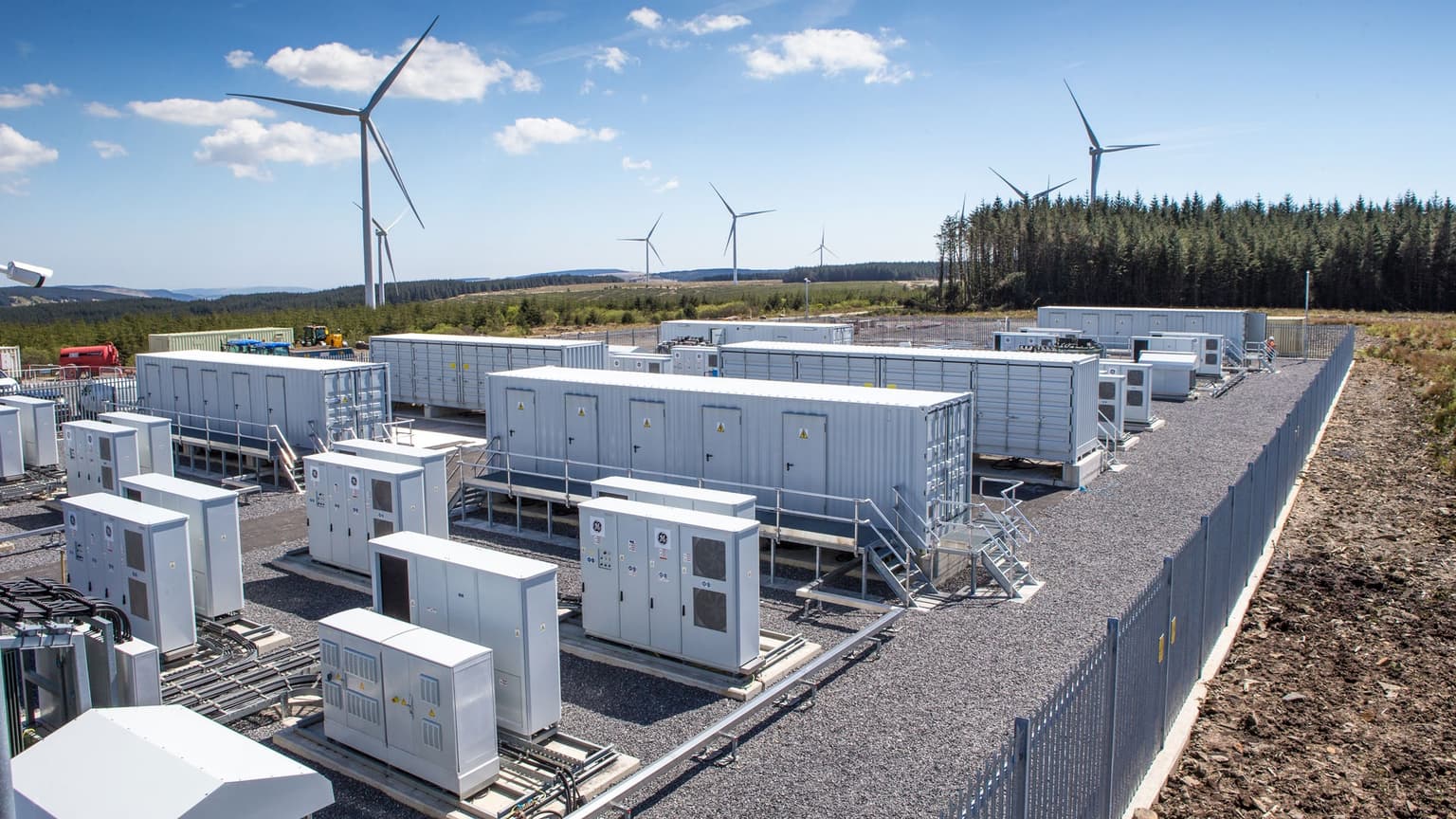
Balancing services have recently become one of the most widely discussed topics in the energy sector. The new regional ALPACA initiative, linking Czechia, Germany and Austria, has entered the picture, and aggregators of flexibility are becoming increasingly important. We now bring you the first part of our interview with Matěj Hrubý, Senior Project Manager at EIFlexi, one of the major flexibility aggregators in Czechia, about the latest developments in the balancing services market.
Since 3 September, Czechia has been part of the ALPACA initiative, which links Czechia, Germany and Austria and procures a reserve for automatic Frequency Restoration Reserve (aFRR). What has it brought so far, after two weeks?
Read the full article HERE.
Energostat: electricity generation in Czechia
Data in this chart is also available in 15-minute resolution60min15min
Energostat: electricity generation in Germany
Data in this chart is also available in 15-minute resolution60min15min
Find more up-to-date charts and data on Energostat
Translation disclaimer
This article is a machine translation of the Czech original and has not yet been fully reviewed. In case of any doubt, please refer to the Czech version.
Sdílejte článek prostřednictvím:
Topics:Energy Weekly
You might also like




23 October 2026, 14:38