26 October 2026, 14:24
Loading...
Top 10 energy stories from the past week
oEnergetice.cz
25 August 2025, 10:45
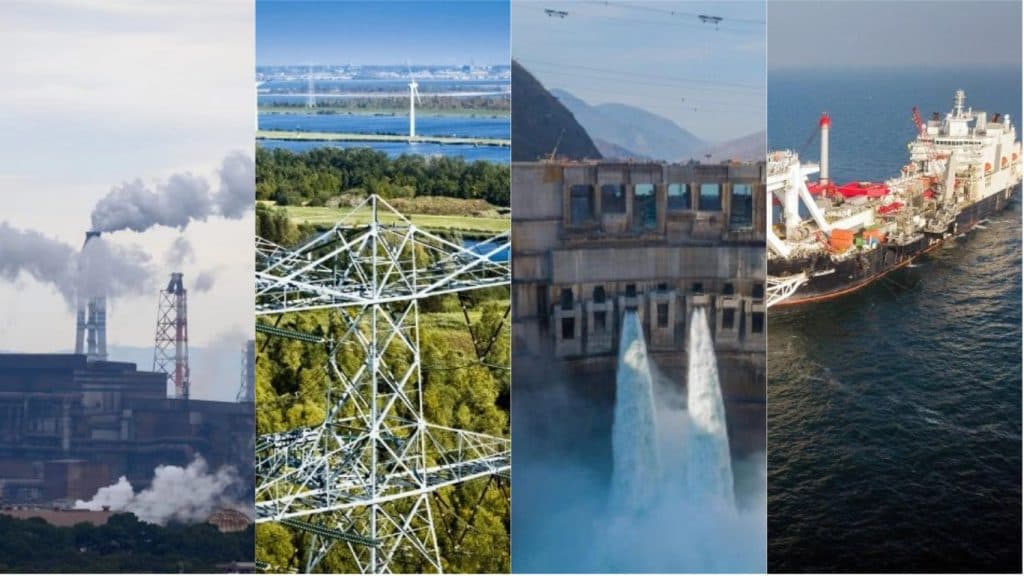
This week, once again, we bring you a carefully selected list of the ten most important articles we published on oEnergetice.cz. If you missed any of them, here is a selection of the articles that attracted the most interest from our readers. Have a great week ahead!
1. The world's largest wind turbine: a technological marvel and environmental challenge

In August 2024, Mingyang Smart Energy commissioned a giant off the Chinese coast that pushed the boundaries of wind power, but also has negative environmental impacts. The company installed a 20MW wind turbine, the largest of its kind in the world. The turbine stands 242 metres tall and has 128-metre-long blades. At an average wind speed of 8.5 m/s, it will generate 80 GWh a year.
The new turbine surpassed the previous record held by a 16MW unit commissioned in June 2023 in China's Hainan province. Its blades sweep an area larger than two football pitches, allowing it to capture more wind energy than ever before. The engineers used a modular design incorporating carbon fibre. It was designed for areas with medium to high wind speeds. The turbine can also withstand extreme typhoons with wind speeds exceeding 280 km/h.
Read the full article HERE.
2. EU and US sanctions hit India's oil market – what lies ahead for Nayara?

Indian refinery Nayara, which is owned by Russian companies, announced on Thursday that it was in talks with the government and other partners about ways to maintain operational stability after being added to the EU sanctions list last month. The situation on India's oil market continues to evolve.
The privately owned company, majority-owned by Russia's Rosneft, sells around 70% of its refined oil on the Indian market through a network of 6 600 filling stations. In a public statement, the company said: "Our retail outlets continue to operate as usual as we work to ensure uninterrupted fuel supplies across India."
Read the full article HERE.
3. EU CO2 emissions rose by 3.4% in Q1, with the biggest increases in Bulgaria and Czechia

Greenhouse gas emissions in European Union countries rose by 3.4% year on year to 900 million tonnes in the first quarter of this year. Emissions increased in 20 member states, while the remaining 7 recorded a decrease. The European statistical office Eurostat reported.
Eurostat said that two sectors drove the increase in EU greenhouse gas emissions in the first quarter of 2025: energy (up 13.6% year on year) and households (up 5.6%). Emissions fell in three sectors: manufacturing (down 0.2% year on year), transport (down 2.9%) and agriculture, forestry and fishing (down 1.4%).
Read the full article HERE.
4. Developers withdraw the biggest successful project from this year's EU hydrogen auction. It cannot be built

This year saw another European Hydrogen Bank auction in March, the second in history. A total of 15 green hydrogen production projects secured support in the auction. However, at least one of them will not go ahead. The developers of the Zeevonk electrolyser project announced that it is currently impossible to complete the project under the terms set. The huge electrolyser was expected to receive nearly a quarter of a billion euros in operating support over 10 years.
In recent years, hydrogen has been viewed as one possible means of storing surplus electricity from renewable sources. Green hydrogen is also expected to help decarbonise industrial processes, replacing hydrogen produced conventionally from natural gas. However, producing green hydrogen is both financially and technologically challenging, prompting the introduction of various forms of support at EU and individual member-state level.
Read the full article HERE.
5. Lithium market faces a surplus, putting project economics at risk
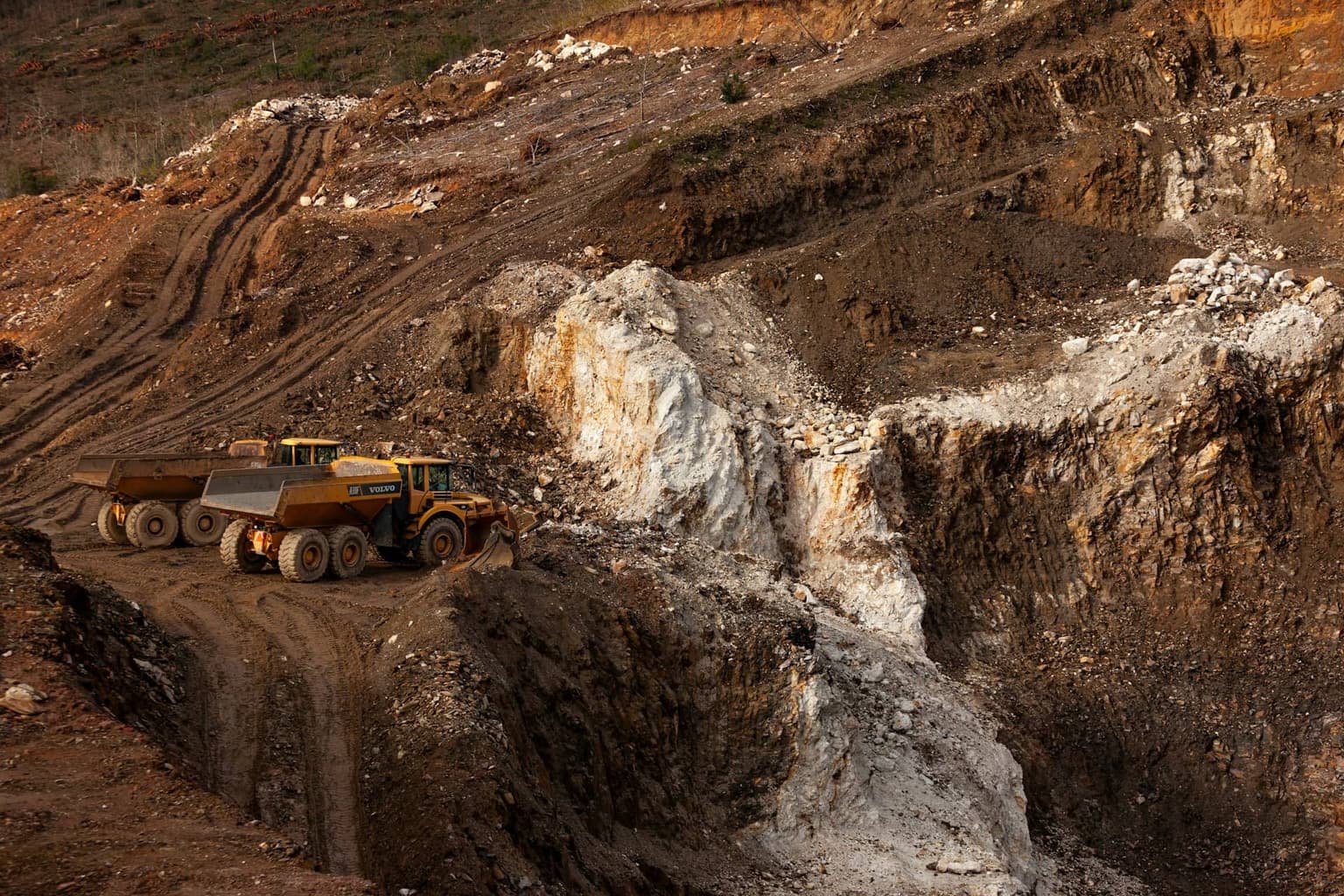
The lithium market has experienced dramatic swings in recent years. After prices hit a record high in 2022, when lithium carbonate exceeded USD 80 000 per tonne, they fell to around USD 10 000/t in 2025. The main reason is not weaker demand but a sharp increase in supply, particularly from China, which has outpaced the growth of electric mobility and energy storage technologies. The result is a market surplus that could last until 2027 and threaten the economics of numerous projects.
Developments in the lithium market are a textbook example of commodity cyclicality. Low prices in 2020 discouraged investors from adding new capacity, leading to a supply shortage and a sharp price rise in 2022. Producers responded by massively expanding mining and chemical plants, but their full capacity only comes on stream after a delay. This "lagged response effect" has now resulted in overproduction, pushing prices well below the level at which many producers can operate profitably. China has played the biggest role, with a massive expansion in spodumene and lepidolite mining and brine extraction, alongside growing production capacity for lithium chemicals.
Read the full article HERE.
6. Portugal is building a 10MW farm to generate electricity from Atlantic waves

Portugal is one of Europe's pioneers in harnessing marine energy. After early trials in the Azores and off the coast of Póvoa de Varzim, the country is now targeting far more ambitious projects. The latest investment of 40 million euros from the EU Innovation Fund in the VianaWave wave farm brings Lisbon closer to its goal of generating more electricity from waves. Experts estimate that the Atlantic's actual potential could reach 15 GW, which could fundamentally reshape Portugal's energy landscape. First, however, a way must be found to use the technology commercially.
Hydropower plays a significant role in Portugal's energy mix. The country generates roughly 30% of its electricity from it. In recent years, the country has also sought to establish itself as a pioneer in technologies that make it possible to generate electricity in ways beyond the traditional approach, including from ocean waves.
Read the full article HERE.
7. Skills shortage threatens the Energiewende: Germany's energy sector lacks thousands of specialists
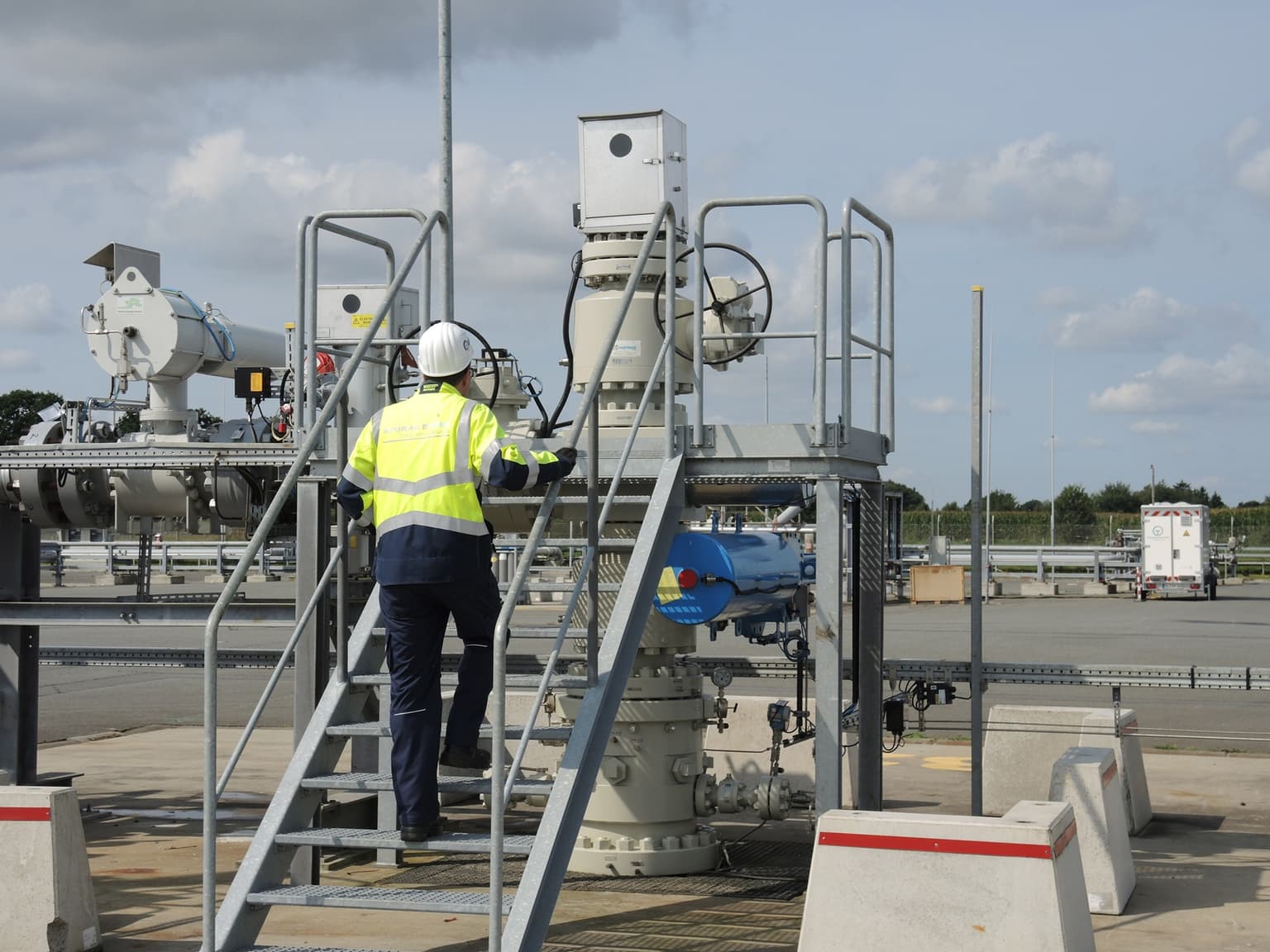
According to analysts there, the Energiewende, the energy transition in Germany, is beginning to run up against a serious problem. Despite rising unemployment, key employers are finding it increasingly difficult to recruit skilled workers. Demand for qualified workers is also expected to grow quite sharply in the coming years. The labour shortage is therefore set to become an increasingly pressing issue, as modelsprepared by the German Institute for Employment Research (IAB) show.
Hundreds of thousands of workers will be needed in the coming years
According to the institute's models, implementing Germany's energy transition will require 157 thousand new workers by 2030, particularly in skilled roles. A further 102 thousand will be needed by 2040. Tens of thousands more employees will also be needed in roles related to addressing the impacts of climate change and implementing adaptation measures.
Read the full article HERE.
8. WindEurope: Germany is swimming against the tide and must change its offshore wind auctions
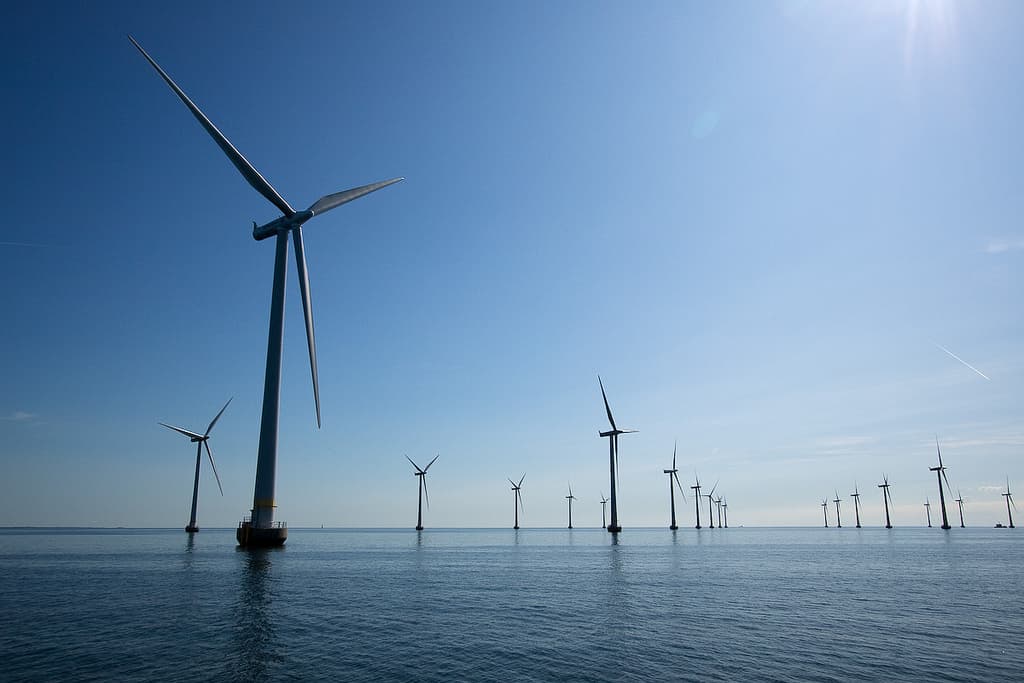
Germany's second offshore wind support auction this year, for 2,5 GW, ended in failure, with not a single bid submitted. According to the WindEurope association, the outcome is a clear signal that the auction design is unattractive to investors and needs to change.
Germany's offshore wind support auction system, in which developers compete to pay the state the most for the right to build and operate an offshore wind farm instead of receiving operating support, has long been criticised by local associations. They have warned of waning investor interest, which culminated in the latest auction, where not a single bid was submitted.
Read the full article HERE.
9. One of Czechia's largest battery storage facilities to be built near Břeclav this year

One of Czechia's largest battery storage facilities is to be built near Břeclav this year. It should help stabilise the grid and will have a capacity of 31 megawatt-hours, representatives of MND said at a press conference in Prague today. It is due to begin operating early next year. The company plans to complete six more large-scale battery storage facilities in the Czech Republic and another two in Germany.
From October, energy companies will begin connecting standalone battery storage facilities to the Czech distribution grid. According to the AKU-BAT Energy Storage Association, the largest facility currently in operation in Czechia, built by LG Energy Solution, Siemens and LTW Battery, has a capacity of 29 megawatt-hours.
Read the full article HERE.
10. Plzeň-based Škoda JS wins its first contract in Poland, worth 300 million CZK

Plzeň-based Škoda JS a.s., part of the ČEZ Group, has won its first contract in Poland. For around 300 million crowns, it will modernise the MARIA research reactor, which is part of the National Centre for Nuclear Research (NCBJ) in Otwock near Warsaw. The Czech company also hopes to win further contracts in Poland, and wants to take part as a supplier in projects such as the construction of nuclear units. Karel Samec, spokesperson for Škoda JS, one of Europe's leading manufacturers and suppliers of nuclear power equipment, told the Czech News Agency (ČTK) today.
NCBJ is one of the largest research institutes in Central Europe. The MARIA reactor, built in the 1970s, is now Poland's only nuclear reactor and focuses on scientific and medical research. It plays an important role, for example, in producing medical radioisotopes and provides facilities for research in nuclear physics, materials science and nuclear power, as well as for training staff to implement Poland's nuclear energy programme. This year, the reactor was out of operation for several months after its previous licence expired.
Read the full article HERE.
Energostat: electricity generation in Czechia
Data in this chart is also available in 15-minute resolution60min15min
Energostat: electricity generation in Germany
Data in this chart is also available in 15-minute resolution60min15min
Find more up-to-date charts and data on Energostat
Translation disclaimer
This article is a machine translation of the Czech original and has not yet been fully reviewed. In case of any doubt, please refer to the Czech version.
Sdílejte článek prostřednictvím:
Topics:Energy Weekly