26 October 2026, 19:59
Loading...
Top 10 energy stories in Czechia from the past week
oEnergetice.cz
25 January 2026, 21:32

This week, we’re once again bringing you a carefully selected list of the ten most significant articles published on oEnergetice.cz. If you missed any of them, here’s a selection of the articles that attracted the most interest from our readers. Good luck in the new week!
1. Experts: Czechia will have enough electricity after the Chvaletice and Počerady power plants close
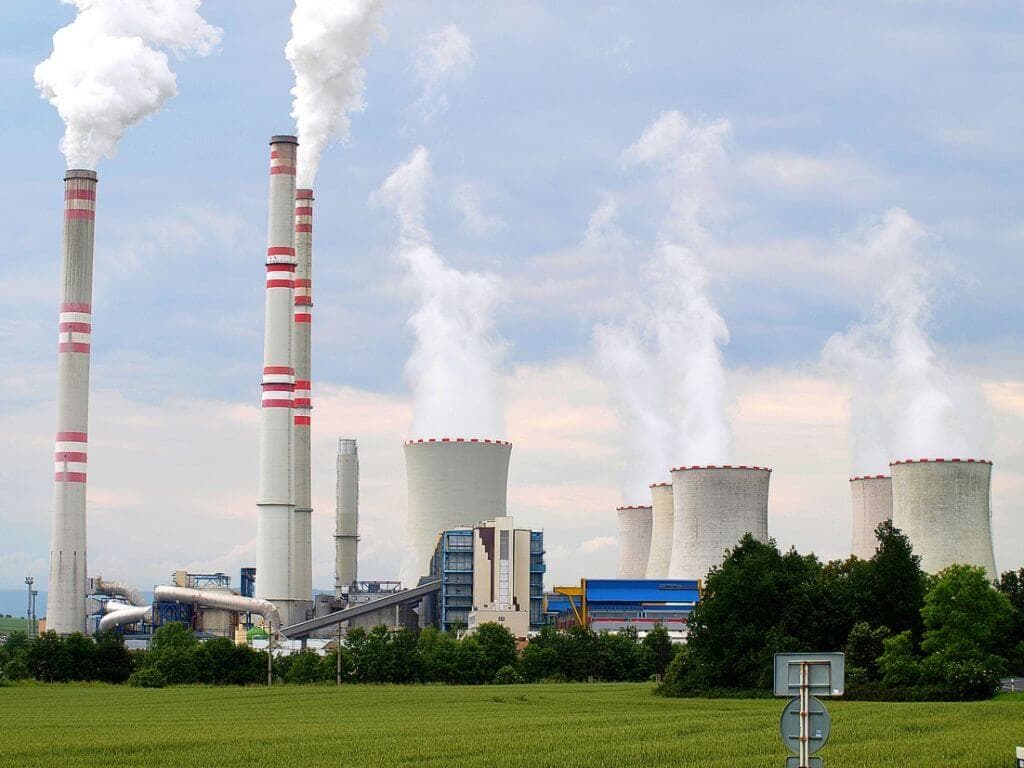
According to an analysis by the Facts on Climate initiative, the Czech Republic will have enough electricity even after the Chvaletice and Počerady coal-fired power plants close. The impact on electricity prices should be very modest. Subsidising the plants’ continued operation would cost billions of crowns a year, making it uneconomic for the state. An analysis by ČEPS, the Czech transmission system operator, will be crucial to the plants’ future; it is expected to be completed by 27 January.
Pavel Tykač’s Sev.en group announced in late November that it would shut down the Počerady and Chvaletice coal-fired power plants, as well as the power plant and combined heat and power plant in Kladno, in December 2026 or, at the latest, in March 2027. The group cited the risk of sustained losses due to the outlook for market electricity prices and emissions allowance prices. According to the Sev.en group’s website, the plants due to close have a combined installed capacity of almost 2,400 megawatts (MW), while the Kladno facility also has a thermal capacity of more than 950 MW.
Read the full article HERE.
2. Charles University presents scenarios for the future of Czech energy

A study modelling scenarios for the development of Czech energy and their economic impacts has been produced under the auspices of Charles University. The study, which provides background material for government strategy documents, examined the effects on the Czech economy, households and the achievement of climate targets. A peer review by the Czech Technical University challenged both the assumptions used and the conclusions reached.
The National Energy and Climate Plan and the State Energy Policy are strategic documents setting out a vision for the future direction of Czech energy. A study prepared by researchers at Charles University became one of the key analytical inputs to their updates. It was carried out in cooperation with colleagues from Cambridge Econometrics as part of the SEEPIA project.
Read the full article HERE.
3. Western Germany’s 2030 coal phase-out in jeopardy as delays to gas plants complicate plans

Energy experts and government sources say that ending coal-fired power generation in western Germany by 2030 is becoming increasingly unlikely. The reason is the significant delay in building new gas-fired power plants, which are intended to replace coal-fired power plants as backup capacity when renewable generation is low. Without these plants being available on time, placing some coal-fired power plants in reserve may be unavoidable.
The western German state of North Rhine-Westphalia agreed with the German government and energy company RWE in 2022 to end coal-fired power generation by 2030, eight years earlier than required by Germany’s nationwide coal phase-out law.
Read the full article HERE.
4. Ukraine’s energy crisis: electricity imports surge by tens of percent

Ukraine’s energy sector is going through one of its most difficult periods since Russia’s full-scale invasion began. Continued targeted attacks on power plants, substations and gas infrastructure, combined with extreme cold, have pushed the country to the limits of its operational capacity. The government is therefore accelerating electricity imports from the European Union, strengthening the protection of critical infrastructure and trying to stabilise gas supplies, Montel News reports.
Ukraine is facing a combination of massive Russian attacks on energy infrastructure and extreme frosts, with temperatures in some areas falling to −20 °C. Russia is targeting not only generating facilities, but increasingly also substations connected to nuclear power plants. Kyiv says this is a deliberate strategy of energy terror intended to weaken the civilian population and force the country into concessions.
Read the full article HERE.
5. One of the Czech Republic’s largest battery storage facilities planned for Tušimice

The Transport and Energy Construction Authority (DESU) has approved the construction of two battery storage facilities in Tušimice. The projects belong to FVE Sever alfa s.r.o. and FVE Sever beta s.r.o., which are part of the Czech Energy Parks a.s. group. Together, the projects are expected to provide more than 200 MW of power and 400 MWh of storage capacity, many times the capacity of existing battery storage facilities in the Czech Republic.
According to information published in the project permit decision, the battery storage facilities, which are to be connected to the transmission grid, will serve, among other things, to “store surplus electricity generated elsewhere, provide balancing services and supply existing generation facilities in the area”. Each of the FVE Sever alfa-BESS and FVE Sever beta-BESS projects is expected to have an installed capacity of around 100 MW and a storage capacity of 200 MWh. This would make them among the largest battery energy storage system (BESS) projects in the Czech Republic.
Read the full article HERE.
6. 2025 marked by negative electricity prices: new records set in Czechia and abroad

Last year brought no major change in the growing prevalence of negative or zero electricity prices on short-term markets. As in the previous two years, negative prices became more common, at varying rates across European regions. On the Czech day-ahead electricity market, the increase last year was not as sharp as the year before, but the number of such hours grew at a similar pace in neighbouring Germany and other countries.
Negative electricity prices have become an increasingly common phenomenon in a number of European countries in recent years. Negative or zero prices are not new, but their frequency has soared over the past two or three years. Before the energy crisis, electricity prices on European day-ahead markets turned negative for only dozens of hours a year; in recent years, the figure has reached hundreds of hours.
Read the full article HERE.
7. Chornobyl nuclear power plant loses all off-site power, IAEA says

The Chornobyl nuclear power plant has lost all off-site power, International Atomic Energy Agency (IAEA) Director General Rafael Grossi announced today. He cited extensive military activity that, he said, had affected several Ukrainian substations vital to nuclear safety. Russia launched another large-scale attack on Ukraine’s energy infrastructure overnight.
The IAEA did not specify the military activity in its statement on X, but warned that the Chornobyl nuclear power plant had lost off-site power and that power lines to other Ukrainian nuclear facilities had also been affected. “The IAEA is actively monitoring the situation to assess the impact on nuclear safety,” Grossi added.
Read the full article HERE.
8. Second reactor pressure vessel arrives at Hinkley Point C

The Hinkley Point C nuclear power plant in the British county of Somerset has received its second reactor pressure vessel. The first vessel arrived at the construction site in 2023 and has already been installed in Unit 1’s primary circuit.
The delivery of the second pressure vessel is an important milestone for Unit 2 of Hinkley Point C. It is a key component of the primary circuit, containing the reactor core and providing the conditions for a controlled fission reaction.
Read the full article HERE.
9. Solar and wind power generated more electricity than fossil fuels in the EU for the first time last year
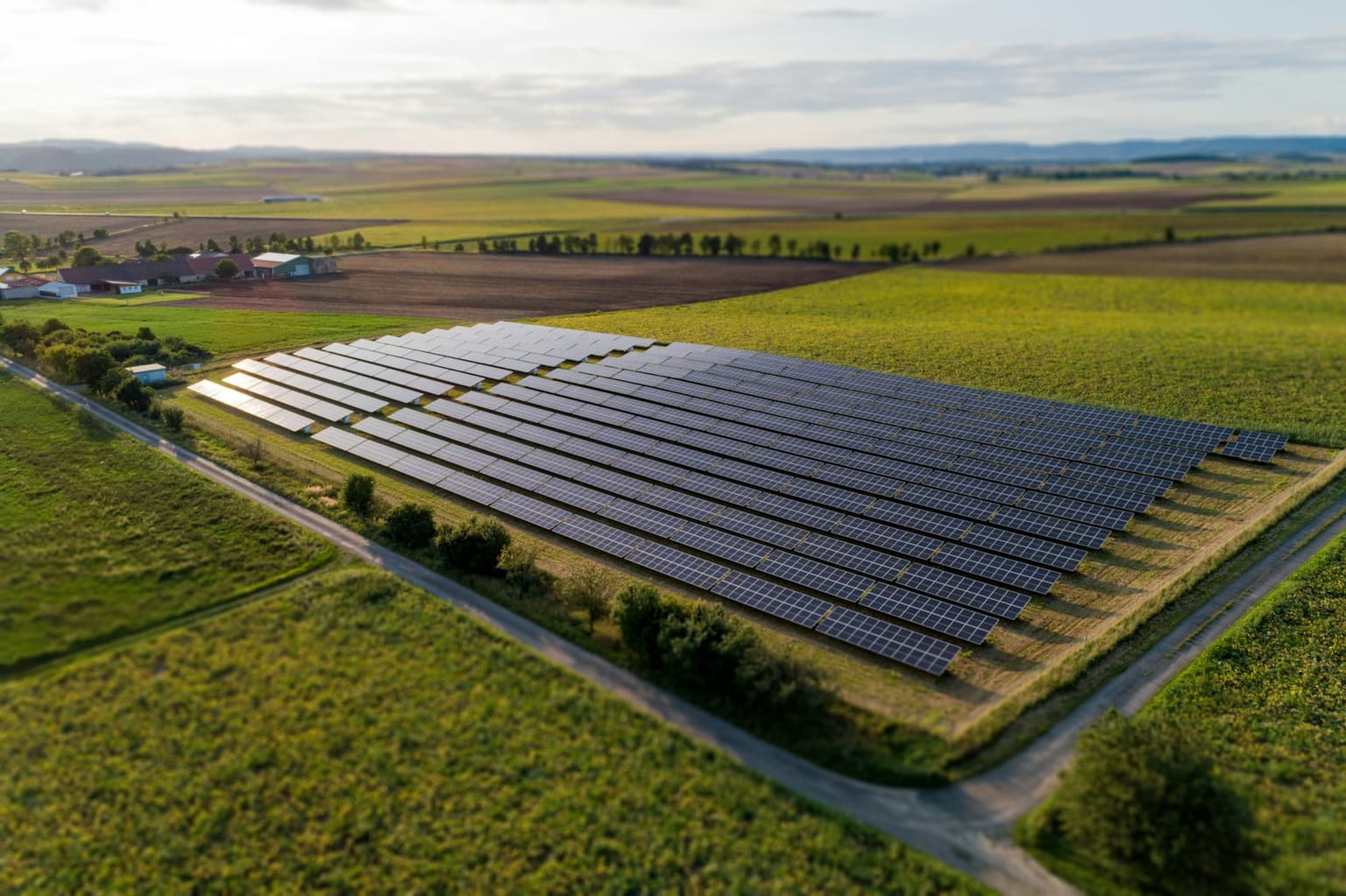
Renewable energy sources generated 1 331 TWh of electricity in the EU last year, accounting for 47.7 % of total generation. Solar and wind power plants alone surpassed fossil fuels in the European Union’s electricity mix. Nuclear and hydropower maintained their stable shares, while fossil fuels declined.
EU wind and solar power plants generated 841 TWh of electricity in 2025, 32 TWh more than fossil fuel-fired power plants. Although the difference amounts to just one percentage point, energy think tank Ember describes it as a key turning point.
Read the full article HERE.
10. Chevron gains an edge in Venezuela as Exxon Mobil runs into Trump
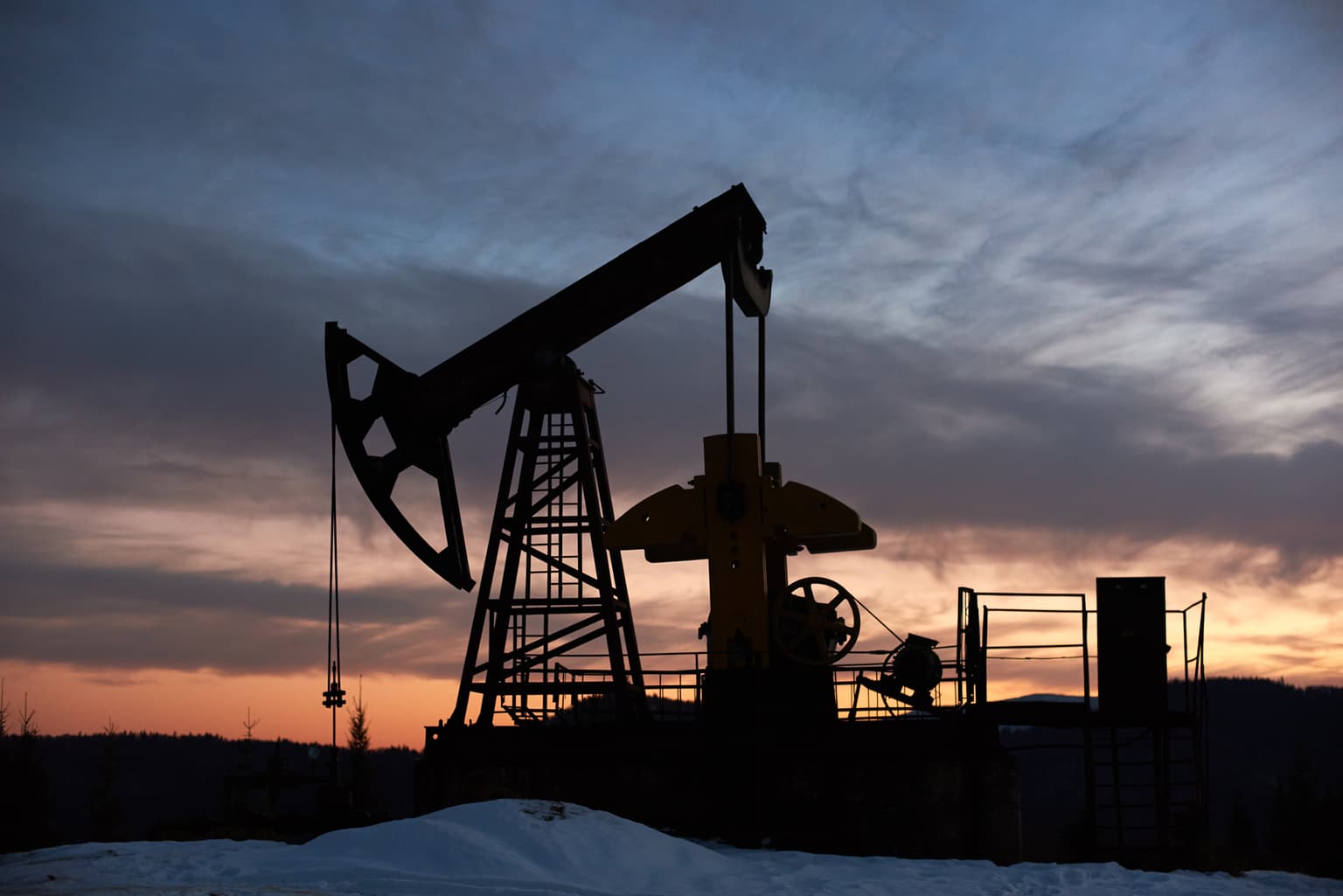
Reuters reported that US oil giant Chevron is expected to receive an expanded licence in the coming days to produce and export oil from Venezuela, where it is currently the only US company with active production.
The news follows a series of heated exchanges between President Donald Trump and Exxon Mobil’s leadership, after its chief executive described Venezuela as uninvestable because of weak investment protections and uncertain returns on capital.
Read the full article HERE.
Energostat: electricity generation in the Czech Republic
Data in this chart is also available in 15-minute resolution60min15min
Energostat: electricity generation in Germany
Data in this chart is also available in 15-minute resolution60min15min
Find more up-to-date charts and data on Energostat
Translation disclaimer
This article is a machine translation of the Czech original and has not yet been fully reviewed. In case of any doubt, please refer to the Czech version.
Sdílejte článek prostřednictvím:
Topics:Energy Weekly
You might also like

26 October 2026, 14:24