Top 10 energy stories of 2024
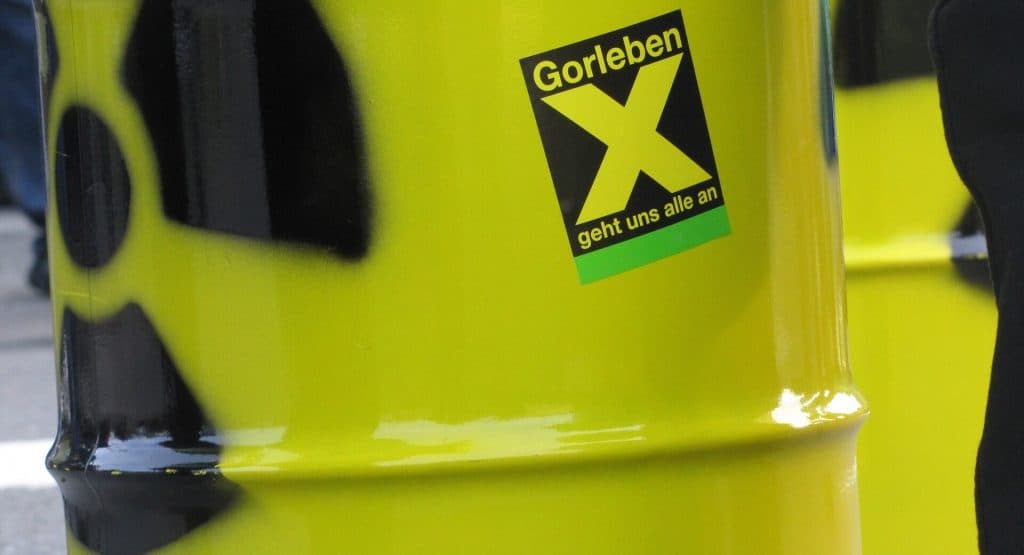
1. New Indian-type nuclear reactor at Rajasthan plant reaches criticality
The reactor at unit 7 of India’s Rajasthan nuclear power plant has successfully reached criticality. This is an important milestone in the commissioning of the 700 MWe IPHWR-700 unit, which uses a domestic heavy-water reactor. India began construction of the unit in 2011, and it still has a series of operational tests to complete before entering commercial operation. The country currently has another 5 nuclear units of the same type at various stages of construction, with a further 8 units in the planning stage.
India’s state-owned power company Nuclear Power Corporation of India Limited (NPCIL) announced a major milestone in the construction of unit 7 at the Rajasthan nuclear power plant. After receiving approval from the nuclear regulator, its technicians started up the unit’s heavy-water nuclear reactor and reached criticality for the first time. Rajasthan 7 features the domestic IPWR-700 (Indian Pressurized Heavy Water Reactor) design and has an electrical output of 700 MW.
Read the full article HERE.
2. Slovakia and Hungary reject alternatives: they want oil only from Lukoil

Slovakia and Hungary have been trying in recent days to resolve the problem of Russian oil transiting through Ukraine. Both countries have turned to the European Commission with an urgent request to resolve the issue. The Commission responded by proposing an alternative oil transport route through Croatia, to which Slovakia and Hungary replied that the coastal country was an unreliable transit route for oil.
Supplies from Russia’s largest oil exporter, Lukoil, via Ukraine were halted in July after Ukrainian authorities banned Lukoil from using the Druzhba pipeline, which connects Russia with Eastern Europe. Hungary and Slovakia responded by sending a request to the European Commission to actively safeguard the security of their energy supplies.
Read the full article HERE.
3. Czech Republic on alert as Druzhba oil supply disruption looms
The Czech Republic faces a potential threat of disruption to oil supplies from the Russian Druzhba pipeline, despite Ukrainian statements that supplies would continue for the time being. Ukraine has indicated it may close the pipeline next year. It is, however, a key source of crude for Central Europe. Despite this challenge, the Czech government believes the country is sufficiently prepared to handle the situation.
Alternative sources and supply diversification
In response to potential threats, the Czech Republic has focused in recent years on diversifying its energy sources. One key measure is the use of the TAL (Transalpine Pipeline), which brings oil from the Italian port of Trieste.
Read the full article HERE.
4. China admits damaging gas pipeline between Finland and Estonia
The Balticconnector gas pipeline carrying natural gas between Finland and Estonia was damaged last year, and the Chinese government has now admitted responsibility for the damage. It says the incident was an accident, although doubts persist.
Last year, Finnish police and international investigators examined whether the damage to the Balticconnector pipeline between Finland and Estonia was deliberate or accidental. The pipeline and a telecommunications cable were damaged on 8 October, probably by a large anchor dragged by the Chinese vessel Newnew Polar Bear. The anchor itself was found at the site of the damage, which led to the ship being identified.
Read the full article HERE.
5. Gas prices fall back to around EUR 30/MWh, with Ukraine playing a major role
European gas storage facilities remain close to full, helping natural gas prices fall to as low as EUR 30/MWh. A positive factor is the withdrawal of gas from storage facilities in Ukraine, where European traders stored it at the end of last year’s injection season. “Ukraine is playing a key role in the security of gas supplies in Central and Eastern Europe this winter,” Natasha Fielding of Argus Media told the FT website.
Europe has so far avoided another energy crisis, and there is nothing to suggest that the situation seen during the winter months of the past two years will recur this year. After briefly rising to EUR 50/MWh at the start of the winter season, gas prices have returned to around EUR 30/MWh. This is due, among other things, to European gas storage facilities, which were almost 90% full at the beginning of January.
Read the full article HERE.
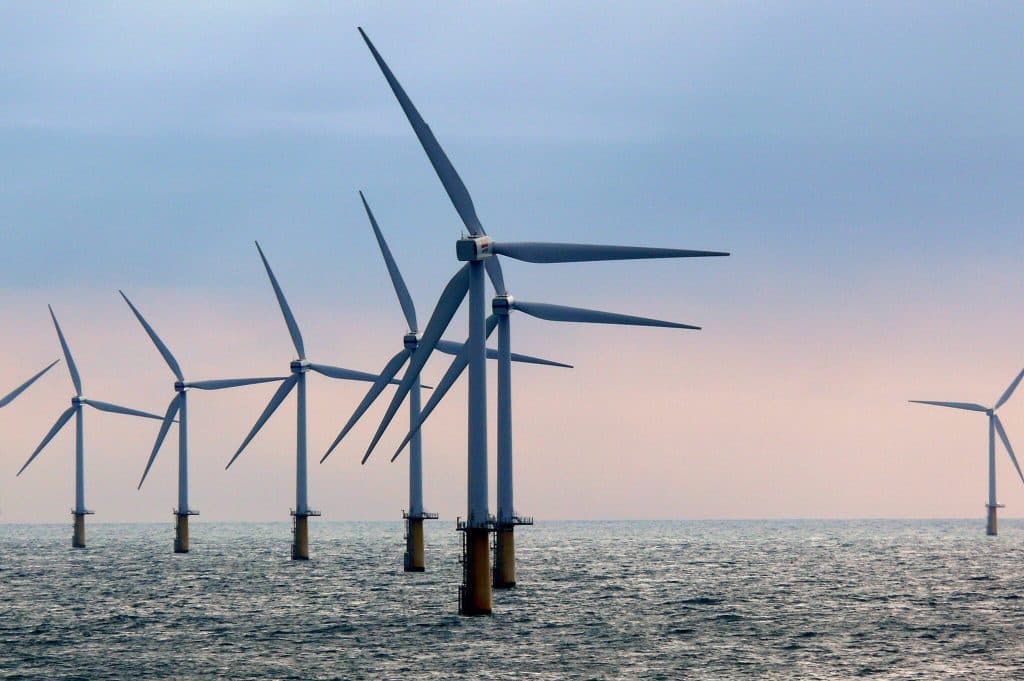
6. European wind industry is becoming uncompetitive
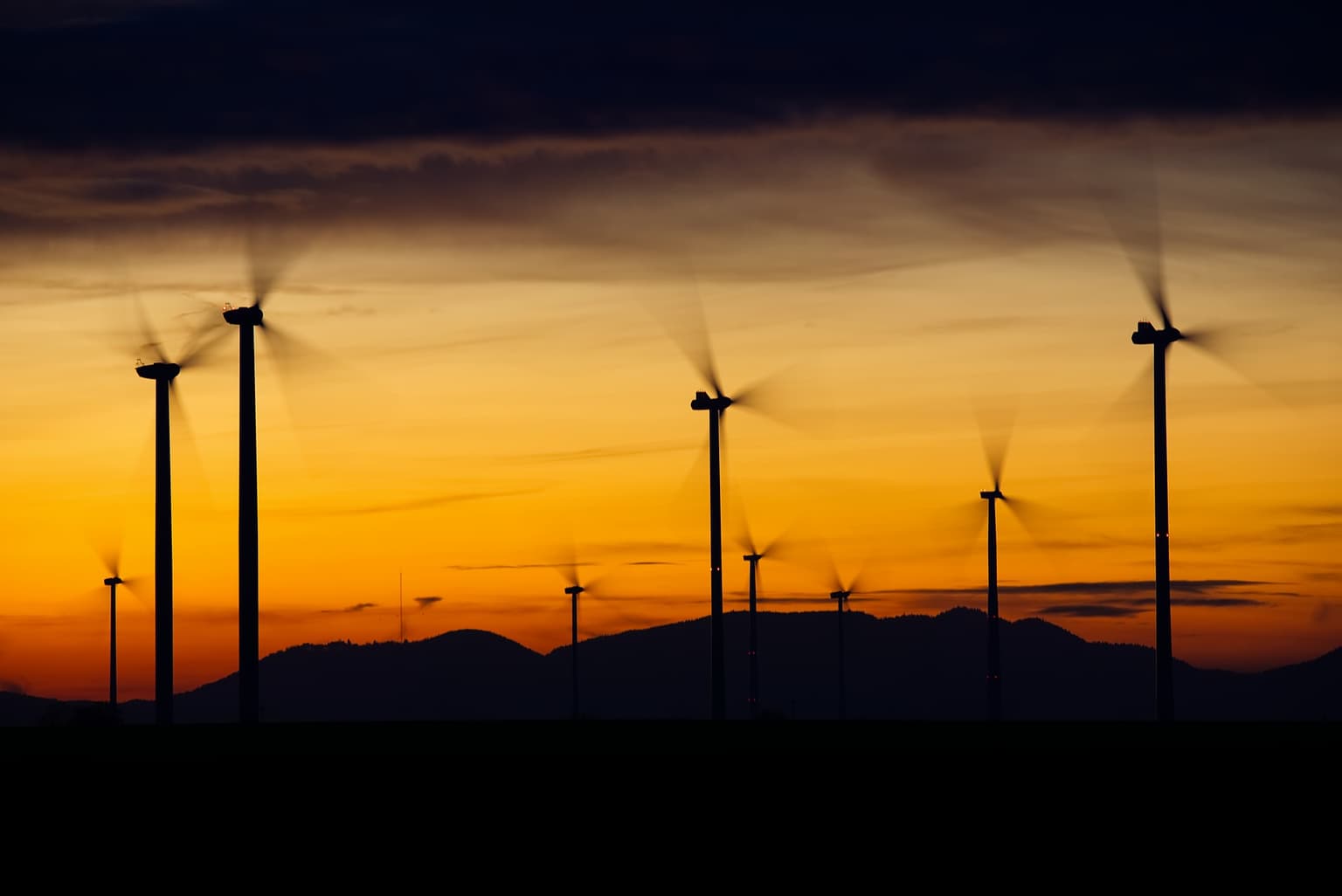
Experts say Europe’s wind power sector is losing competitiveness against other regions of the world, particularly because of rising costs and weakening public support. This could jeopardise the European Union’s renewable energy targets.
“Europe is no longer competitive. … Working conditions, wages, electricity costs—all these aspects do not match what we are ultimately willing to pay for the product,” Andreas Evertz, CEO of German wind power components supplier Flender, said at the WindEurope 2024 conference.Read the full article HERE.
7. Report: Two European countries meet all electricity demand with renewables
According to a new Global Wind Report, a total of seven countries around the world now generate 100% of their electricity from renewable energy sources. Two of them are in Europe.
Last year was the best year on record for new wind power installations. According to the latest Global Wind Report by the Global Wind Energy Council, reported by Euro News, 116 gigawatts of new wind power capacity was installed worldwide in 2023. That is 50% more than in 2022, marking the largest year-on-year increase on record.
Read the full article HERE.
8. Commission tells car industry: you have had enough time

The automotive industry is complaining about strict emissions targets for transport. Manufacturers have also calculated that they could face fines of up to 16 billion euros for failing to meet the rules in 2025. The European Commission has pushed back against these claims.
Under EU requirements for CO2 emissions from cars and vans, carmakers must reduce their vehicles’ average CO2 emissions by 15% by next year compared with 2021 levels. However, as electric car sales are falling short of expectations, some industry representatives called in an unofficial document circulated over the weekend for a two-year delay to avert the risk of multibillion-euro fines. Euractiv reports.
Read the full article HERE.
9. Czechia falls behind on energy legislation; European Commission issues ultimatum

The European Commission has called on Czechia for a second time to transpose European Directive 2019/944 on common rules for the internal electricity market. The transposition deadline expired at the end of 2020. This is the second warning Czechia has received from the European Commission on the matter. Czechia now has two months to remedy the situation. If it fails to do so, the European Commission may refer the case to the Court of Justice of the European Union.
The Czech Republic is behind on transposing key energy legislation, specifically Directive 2019/944 on common rules for the internal electricity market. The directive is a cornerstone of the framework for the electricity market in the European Union. The Czech Republic has had time to transpose it since June 2019, when the directive was adopted, but in the European Commission’s view, it has still not been properly transposed. The directive was supposed to be fully incorporated into Czech law by the end of 2020.
Read the full article HERE.
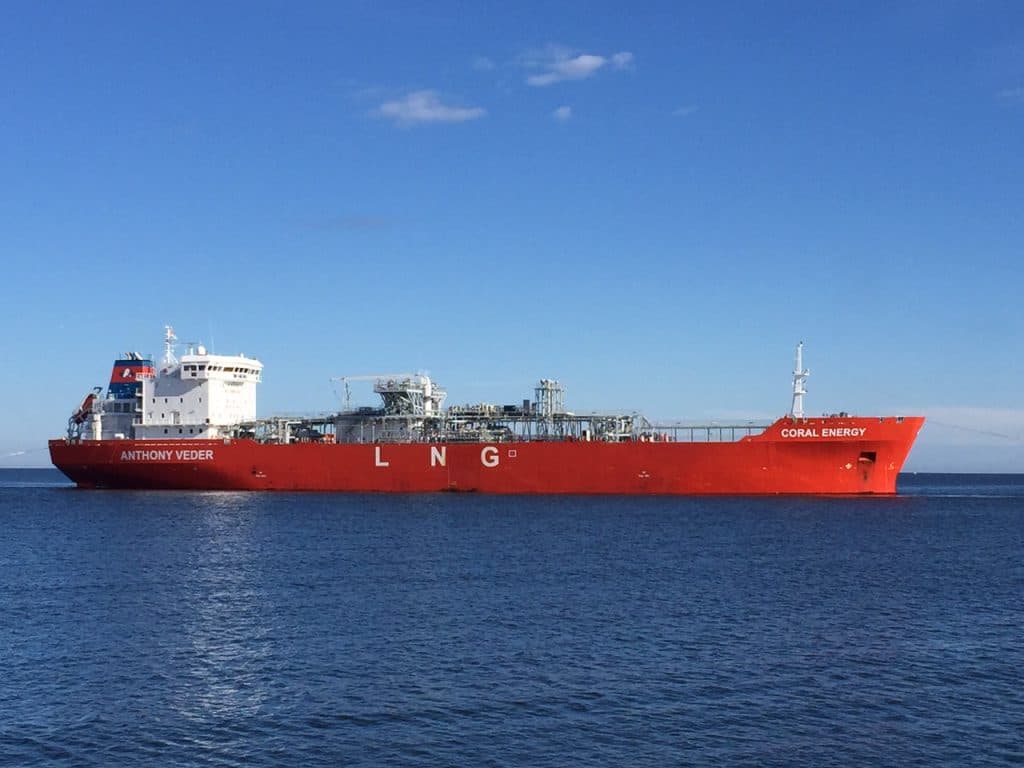
10. LNG vs. domestic coal: What is the carbon footprint of liquefied gas?

Ekonomický deník published an interview with Robert W. Howarth of Cornell University, a member of the prestigious Ivy League (an elite group of private universities in the northeastern United States). In the interview, Howarth highlights the carbon footprint of liquefied natural gas (LNG) and compares it with that of other fossil energy sources.
The main problem with LNG is not the emissions produced when it is consumed, but primarily methane emissions that escape during handling. There is a risk of methane leaks during extraction and transport, and, in the case of LNG, during liquefaction and subsequent regasification as well. According to the Intergovernmental Panel on Climate Change (IPCC), part of the United Nations, methane is responsible for around 30 percent of all global warming observed since the mid-19th century.
Read the full article HERE.
Energostat: electricity generation in Czechia
Energostat: electricity generation in Germany
Find more up-to-date charts and data on Energostat
Translation disclaimer
This article is a machine translation of the Czech original and has not yet been fully reviewed. In case of any doubt, please refer to the Czech version.