Top 10 energy stories of the past week
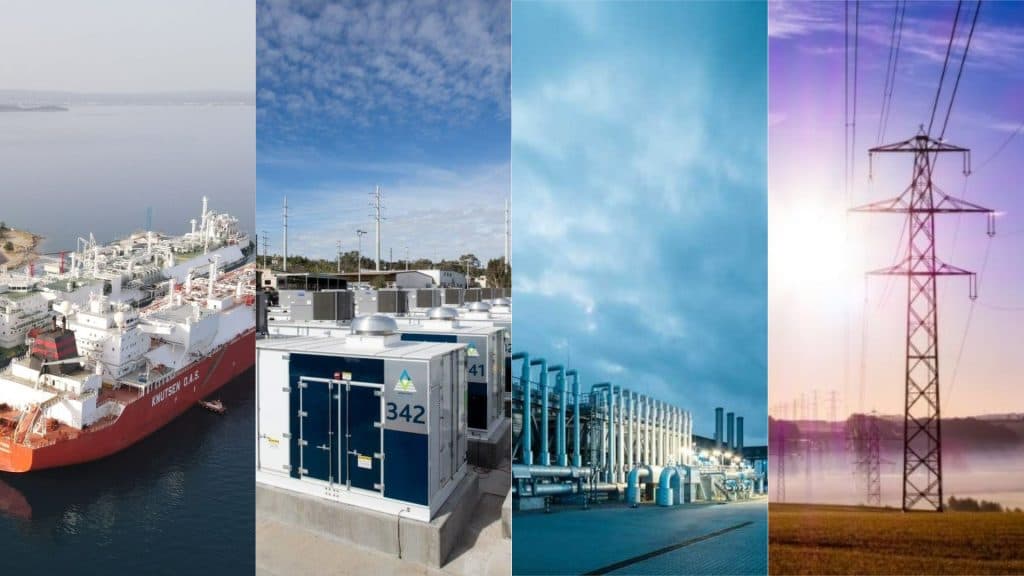
This week, we once again bring you a carefully selected list of the ten most important articles we published on oEnergetice.cz. If you missed any of them, here is a selection of the articles that attracted the most interest from our readers. Good luck in the new week!
1. Survey: German companies increasingly affected by power supply interruptions
German companies are increasingly experiencing short-term power supply interruptions. This is confirmed by business surveys conducted by the Association of German Chambers of Industry and Commerce (DIHK).
According to the survey, short-term power outages lasting up to three minutes are becoming increasingly common in Germany. The share of surveyed companies reporting such outages rose from 9 to 16% between 2022 and 2024. A total of 3,500 companies from various sectors were surveyed.
Read the full article HERE.
2. Germany: Uncontrolled feed-in from small solar installations threatens grid stability, with brownouts looming
Uncontrolled electricity feed-in from small solar power plants threatens the stability of the German power system. TenneT, one of the country's transmission system operators, is therefore pressing the outgoing government, in cooperation with the German Association of Energy and Water Industries (BDEW), to pass the necessary legislative changes before the February elections. Clean Energy Wire reported.
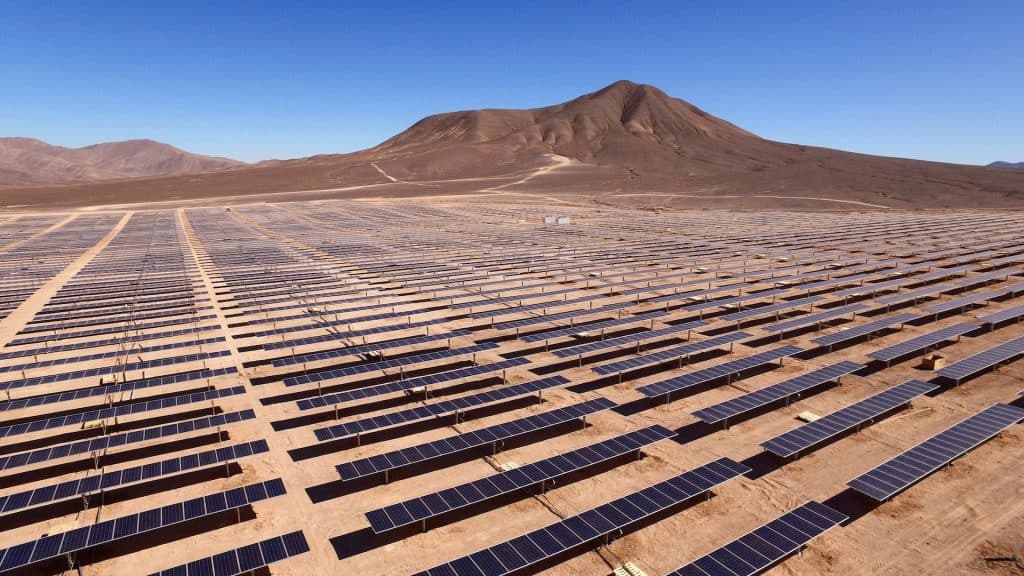
Germany added 17 GW of new solar capacity last year, bringing its total installed capacity from these sources to the 100 GW milestone. Residential rooftop solar accounted for the largest share of this growth, at 6.7 GW, although this sector saw a 15% year-on-year decline. Ground-mounted installations, by contrast, grew strongly, up 40% to 6.3 GW. Newly installed capacity at commercial rooftop solar plants also increased, rising by a quarter year on year to 3.6 GW. Several hundred more megawatts of capacity were added in balcony systems, whose total installed capacity doubled year on year to 0.7 GW.
Read the full article HERE.
3. Ministry launches programmes to support biomass and alternative sources

This week, the Czech Ministry of Industry and Trade launched calls focused on transforming the Czech district heating sector and combined heat and power generation. Auctions and subsidy programmes are intended to help companies modernise existing plants and encourage greater use of natural gas and renewable energy sources such as biomass. Funding amounts to hundreds of millions of korunas, and most of the supported projects are expected to be completed between 2028 and 2030.
The Ministry of Industry and Trade published the terms of an auction with a total tendered installed electrical capacity of 13.12 MWe shortly before the end of last year. The main aim is to support combined heat and power generation at plants with an installed capacity of more than 1 MW that use natural gas, biomass, biogas or mine gas.
Read the full article HERE.
4. What to expect from electricity and gas prices in 2025? Centropol's perspective

Three years have passed since the collapse of Bohemia Energy, one of the largest energy suppliers. For the hundreds of thousands of customers who chose three-year fixed-price contracts at the time, a crucial decision-making moment has now arrived. At the same time, a considerable period has passed since the 2021 energy crisis, but its after-effects are still being felt in the market. There is also growing pressure on the regulated component of electricity prices due to the infrastructure investment needed, affecting costs for households and businesses alike.
How will the energy commodities market develop in 2025, and what will it mean for customers? We asked several electricity and gas suppliers.Read the full article HERE.
5. China brings first nuclear unit at Zhangzhou plant into commercial operation
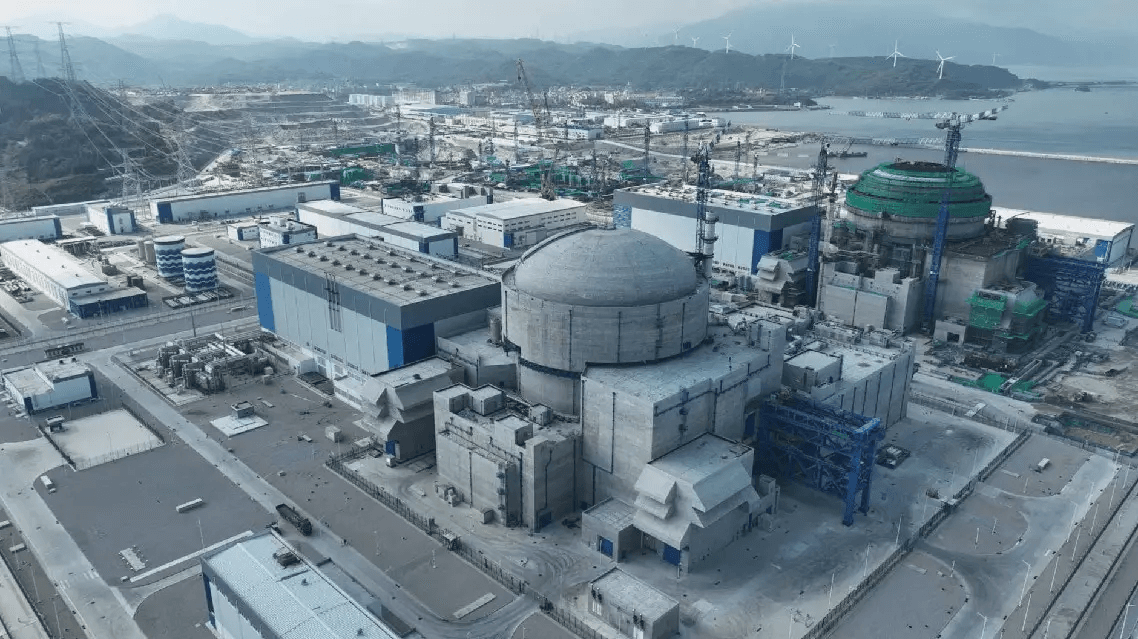
China recorded a major nuclear achievement at the start of 2025. The first of six units at the Zhangzhou nuclear power plant in Fujian province entered commercial operation. Construction of the Hualong One unit, with a capacity of over 1,100 MW, began in October 2019. China plans to bring another unit at Zhangzhou online this year, followed by two more within roughly five years.
China National Nuclear Corporation (CNNC) announced that it had brought the first unit at the Zhangzhou plant into commercial operation. The milestone came on the very first day of the year, 17 minutes after midnight, when the Hualong One unit completed all its operational tests, culminating in 168 hours of operation at nominal capacity. CNNC now operates a total of 26 nuclear reactors with a combined capacity of nearly 25 GW.
Read the full article HERE.
6. Axpo: Europe will have to compete with Asia for gas to fill its storage facilities this year
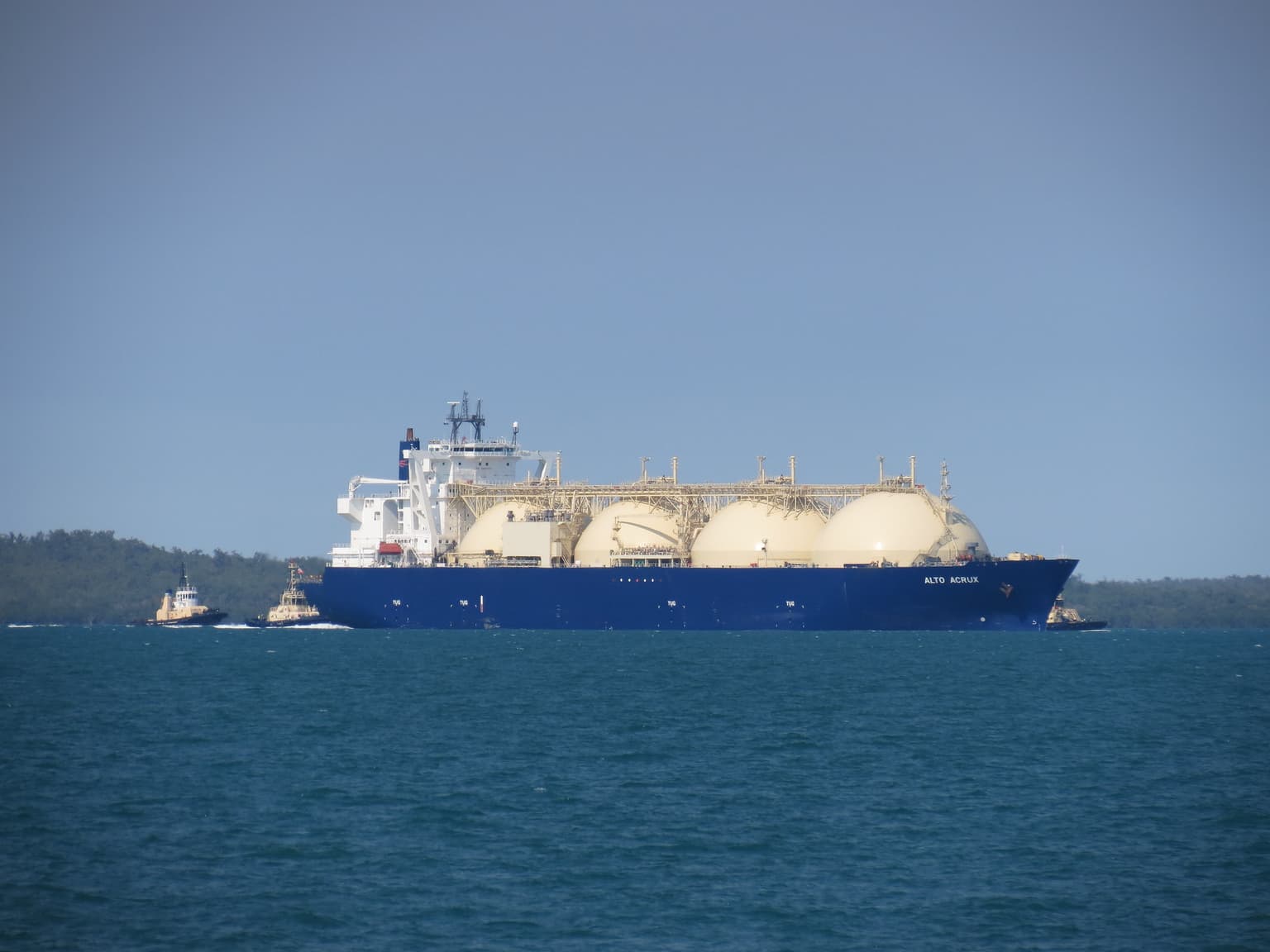
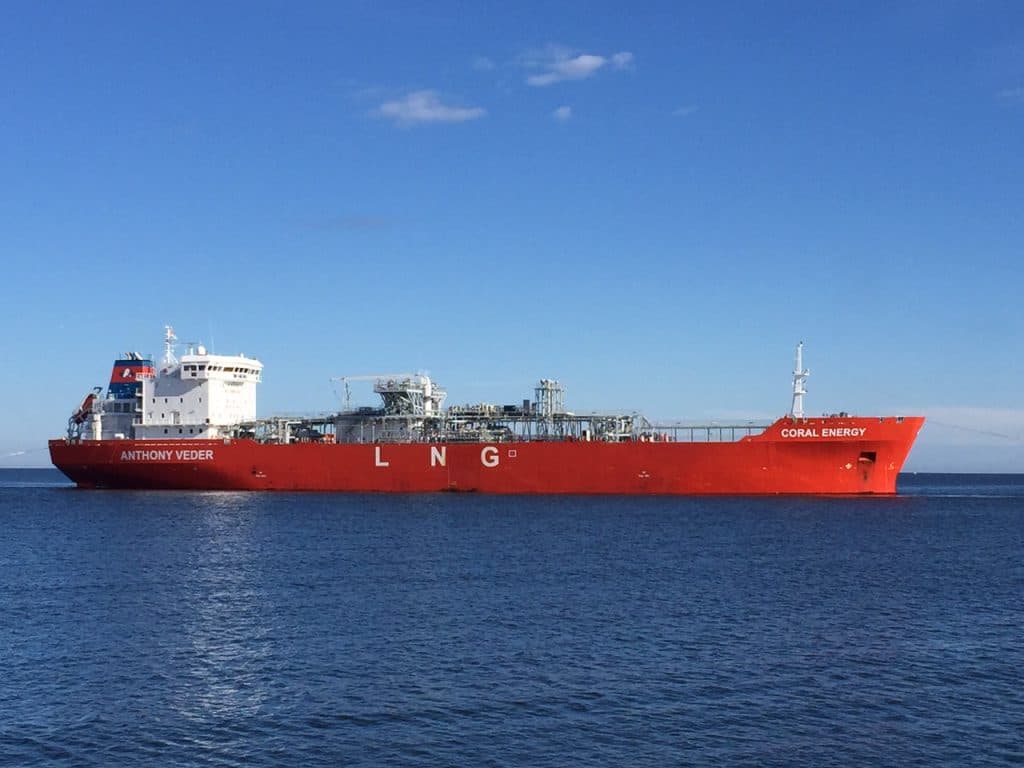
With the end of Russian gas transit through Ukraine and cold weather at the end of last year, gas storage facilities in Europe are being depleted faster than in previous years. Demand for gas to refill European storage facilities ahead of next winter is therefore likely to be strong this summer. According to Swiss energy company Axpo, European traders will have to compete more with Asian companies on the global market for liquefied natural gas (LNG).
The question of natural gas supplies to Europe has once again come sharply into focus in recent months, particularly in connection with the end of Russian gas transit through Ukraine. Since the beginning of the year, Russian gas has flowed to Europe through pipelines only via the southern route through Turkey, specifically the TurkStream pipeline. Europe is therefore more dependent than ever on LNG imports, for which it must compete on the global market.
Read the full article HERE.
7. Gas prices for the European market surge after reports of an attempted attack on TurkStream
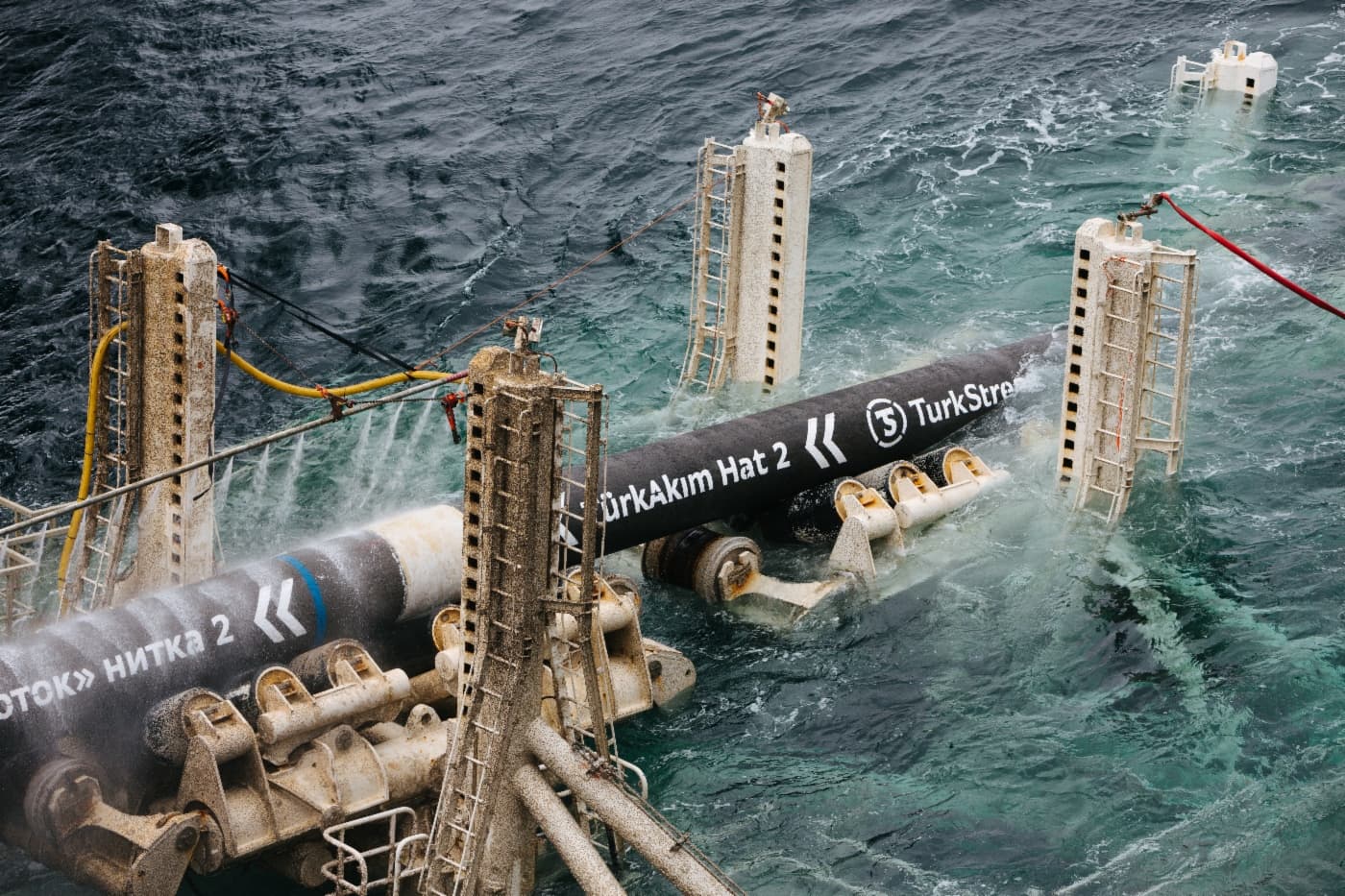
Wholesale gas prices for the European market are rising sharply today, climbing well above 47 euros (1,184 korunas) per megawatt-hour (MWh) this morning. This follows reports of attempts to attack Russian gas pipelines and the earlier announcement of new US sanctions against Russia's energy sector, Reuters reported.
Shortly after midday, gas for delivery in February was up 5.4% to more than 47.42 euros per MWh at the Title Transfer Facility (TTF) virtual trading hub in the Netherlands. TTF prices are a benchmark for the European market. At the beginning of January, the price approached 50 euros, its highest level in more than a year.
Read the full article HERE.
8. Stricter EU methane rules could make LNG trading more difficult for Europe
The Methane Emissions Regulation aims to significantly reduce methane emissions in the energy sector, including across supply chains. The new legislation also imposes obligations on LNG importers, but the specific methodology for complying with them has not yet been established. According to experts, this uncertainty surrounding the new regulations will slow negotiations on new LNG and gas supply contracts, Montel News reports.
The Methane Emissions Regulation, which entered into force on 4 August 2024 as part of the Fit for 55 package, introduces obligations for measuring, reporting and verifying emissions in the energy sector. The regulation has a major impact on the global LNG supply chain and extends its reach beyond the EU's borders. The carbon footprint of liquefied natural gas (LNG) is generated not only when it is consumed, but especially during extraction, transport, liquefaction and regasification. These activities carry a risk of methane leaks. Operators must therefore measure emissions directly at the source and submit reports verified by independent auditors.
Read the full article HERE.
9. Germany continued expanding renewables last year, adding 20 GW of new capacity
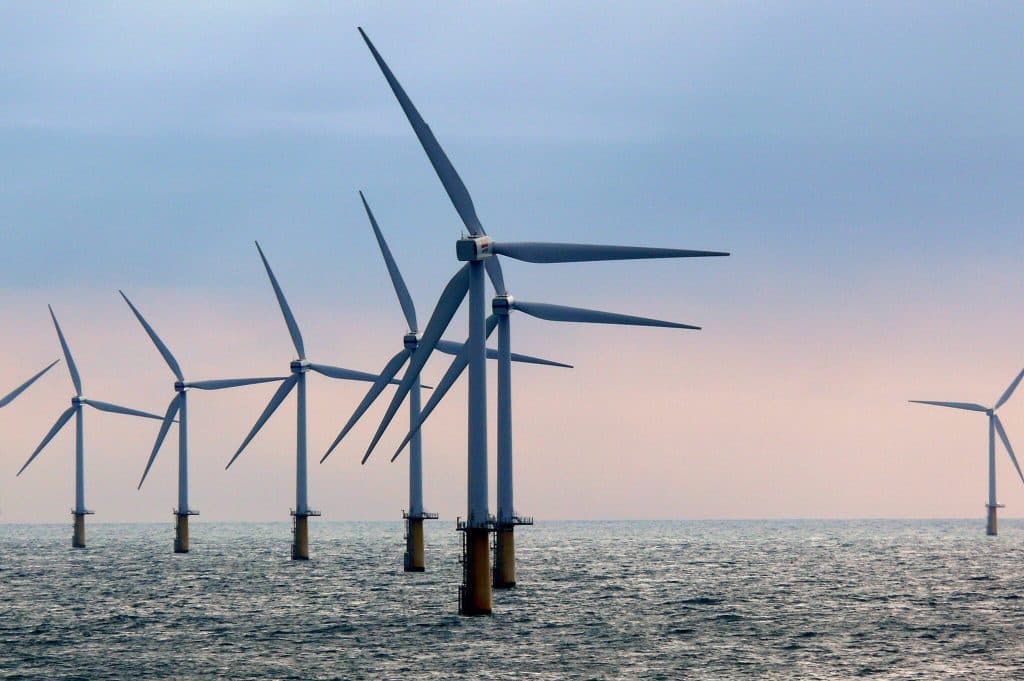
Germany continued to make progress in developing renewable energy sources last year, increasing their installed capacity by 20 GW. New solar installations were the main driver, accounting for more than 80% of total growth. Newly commissioned wind capacity was not particularly high. This could change in the coming years, however, as the number of permits issued for wind farm construction has risen sharply.
Renewable energy sources had a relatively strong year in Germany last year, although some segments grew faster than others. Overall, installed renewable capacity increased by 20 GW, according to the country's grid regulator, Bundesnetzagentur. By the end of last year, Germany had 190 GW of installed renewable capacity, 12% more than a year earlier. Solar power was once again the main driver of this growth.
Read the full article HERE.
10. New renewable energy subsidies are discriminatory, chamber says
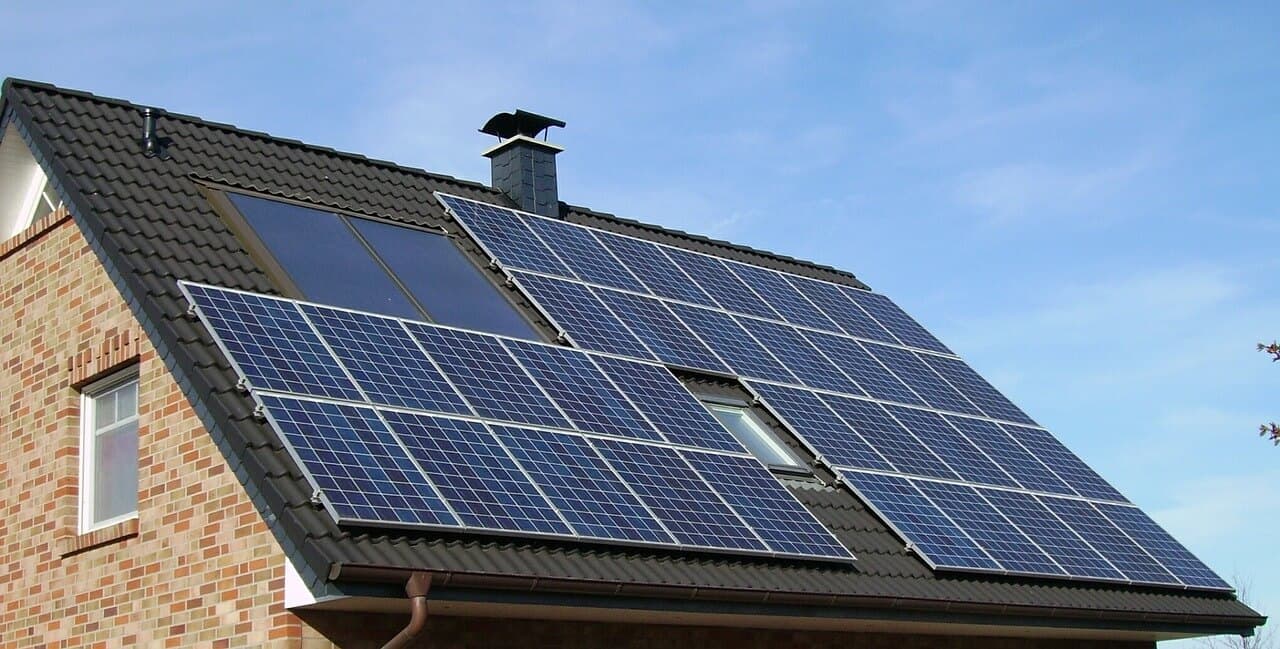
According to industry representatives, the new design of subsidies under the New Green Savings (NZÚ) programme for households installing renewable energy sources is discriminatory and unbalanced. They are particularly unhappy with the lower maximum grant and other limits on household solar power, as well as the preference given to other sources. The Chamber of Renewable Energy Sources today called on the authorities to revise the subsidies. Chamber representatives told journalists this today. CTK is seeking comment from the Ministry of the Environment.
This year, the state will reduce support for households installing solar power plants. Grants will now be available for photovoltaic (PV) systems with a maximum capacity of five kilowatts (kW), half the capacity previously eligible for support. The maximum grant amount will also decrease. This is according to documents setting out the new conditions for the NZÚ subsidy programme.
Read the full article HERE.
Energostat: electricity generation in the Czech Republic
Energostat: electricity generation in Germany
Find more up-to-date charts and data on Energostat
Translation disclaimer
This article is a machine translation of the Czech original and has not yet been fully reviewed. In case of any doubt, please refer to the Czech version.