Top 10 energy stories of the past week

This week, we once again bring you a carefully selected list of the ten most important articles we published on oEnergetice.cz. If you missed any of them, here is a selection of the stories that attracted the most interest from our readers. Good luck in the new week!
1. Azerbaijan: The EU must rethink its approach to fossil fuels if it wants to continue importing gas

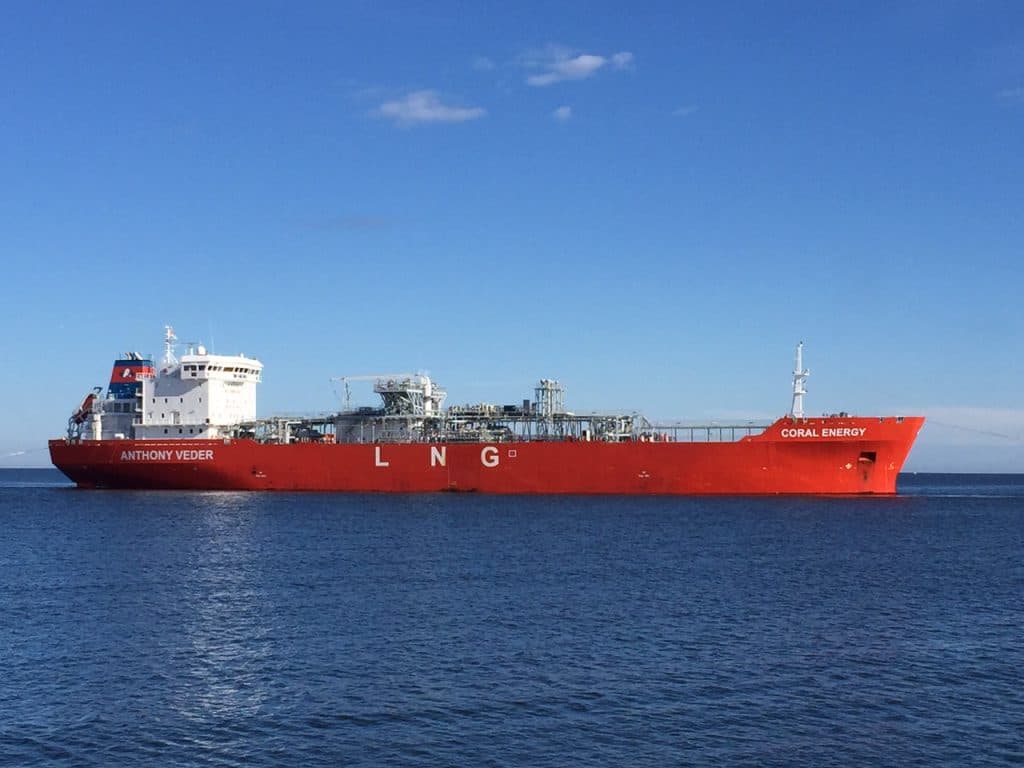
Europe still faces the question of how to secure reliable natural gas supplies in the medium term. A number of gas suppliers to Europe are pushing for long-term contracts, which they need to ensure returns on their extraction and infrastructure projects. Europe, on the other hand, is pursuing gradual decarbonisation, which is not entirely compatible with long-term commitments to purchase fossil fuels. Azerbaijan is now also stepping up the pressure on Europe, and could otherwise start looking for alternative buyers for its gas.
The European Union and its member states continue to face pressure from gas suppliers, who have every reason to demand guarantees in the form of long-term contracts. Otherwise, there is a risk that their investments in new gas fields, pipelines or terminals for exporting liquefied gas could ultimately become loss-making. The EU’s decarbonisation plans create considerable uncertainty for them, as these involve a reduction in the use of fossil fuels, including natural gas.
Read the full article HERE.
2. Canada grants licence to build a small modular reactor
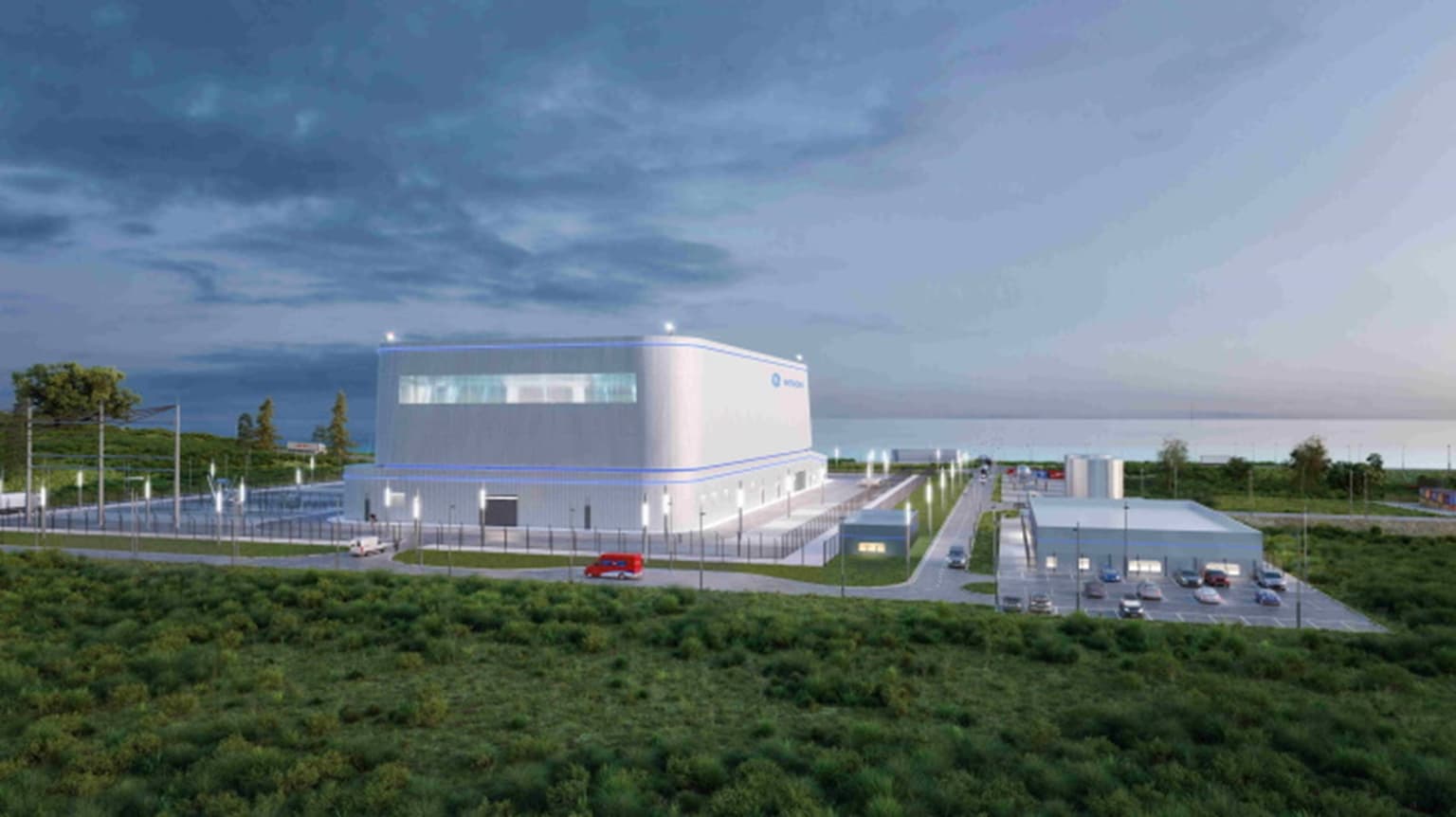
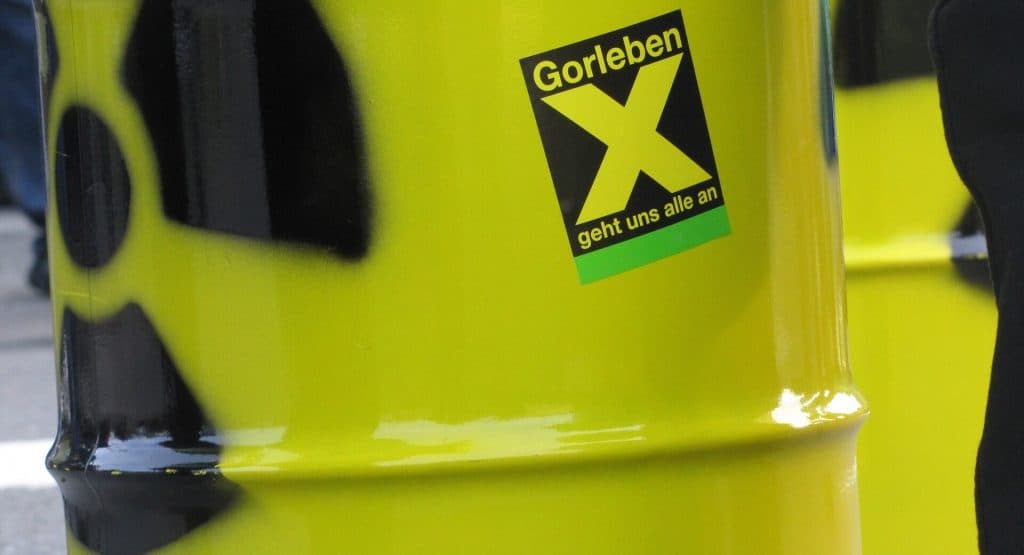
The Canadian Nuclear Safety Commission (CNSC) has announced that it has granted Ontario Power Generation (OPG) a licence to construct a BWRX-300 modular reactor. The Darlington New Nuclear Project will be built at Clarington in the province of Ontario.
Licence conditions and validity
In its decision, the CNSC said that OPG is qualified to carry out the project and has sufficiently robust programmes in place to ensure the safety of workers and the public, and to protect the environment. The company also meets requirements for national security and for fulfilling Canada’s international obligations.
The licence is valid until 31 March 2035 and includes site-specific conditions. Regulatory hold points have also been set for the construction phase, at which OPG will have to provide the CNSC with further information before construction work can continue.
Read the full article HERE.
3. Coal in retreat: New capacity commissioned falls to a 20-year low

Global installed coal-fired capacity rose again last year. Although the amount of new capacity brought online was the lowest in 20 years, the capacity of plants retired was even lower, resulting in a net increase of 18.8 GW. This is according to data released by Global Energy Monitor.
According to the published data, 44 GW of new coal-fired power plants came online worldwide last year, while 18.8 GW were retired. Global installed capacity of these plants therefore rose by just under one percent.
Read the full article HERE.
4. Solar milestone: Germany surpasses 5 million solar installations
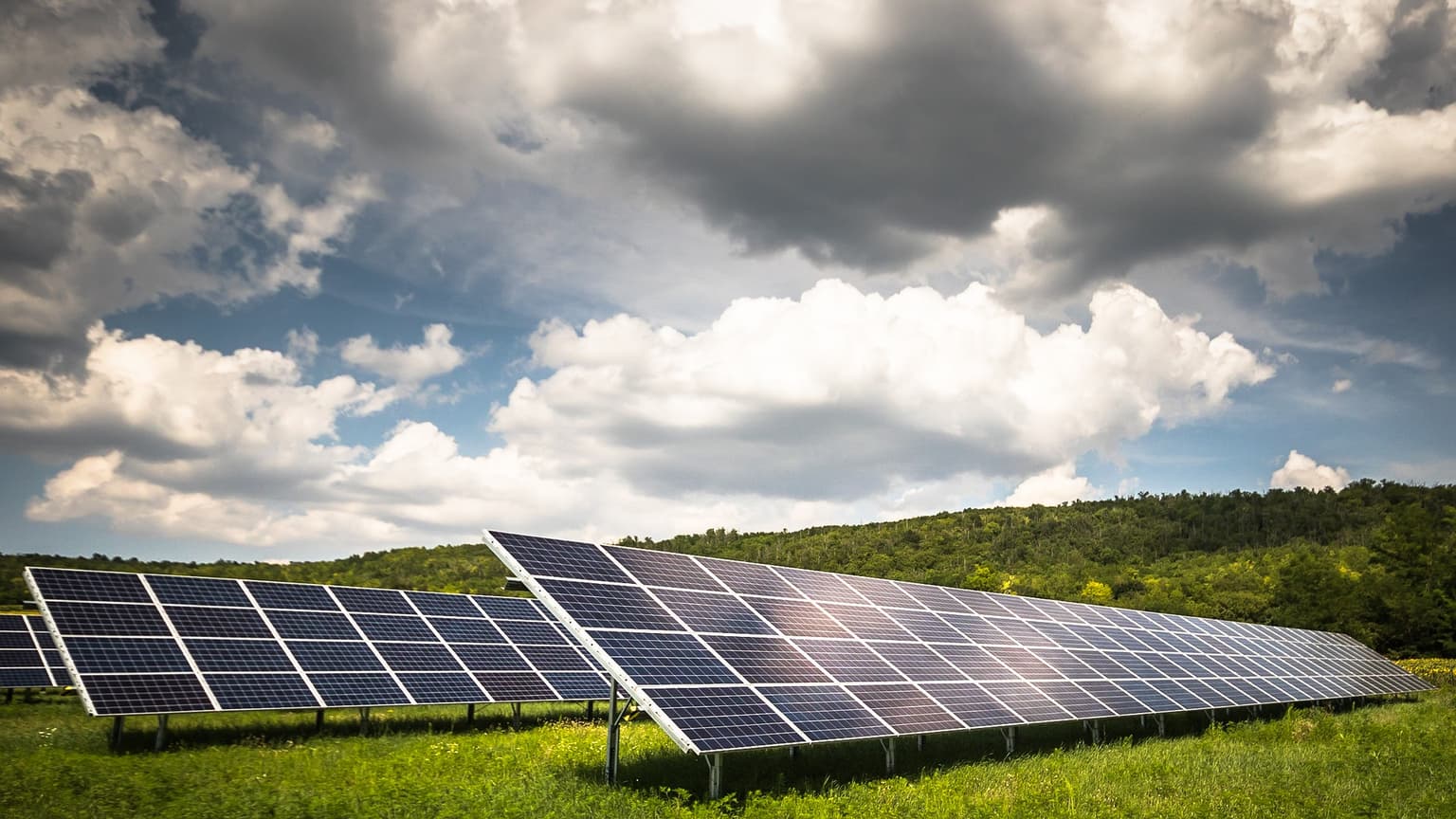
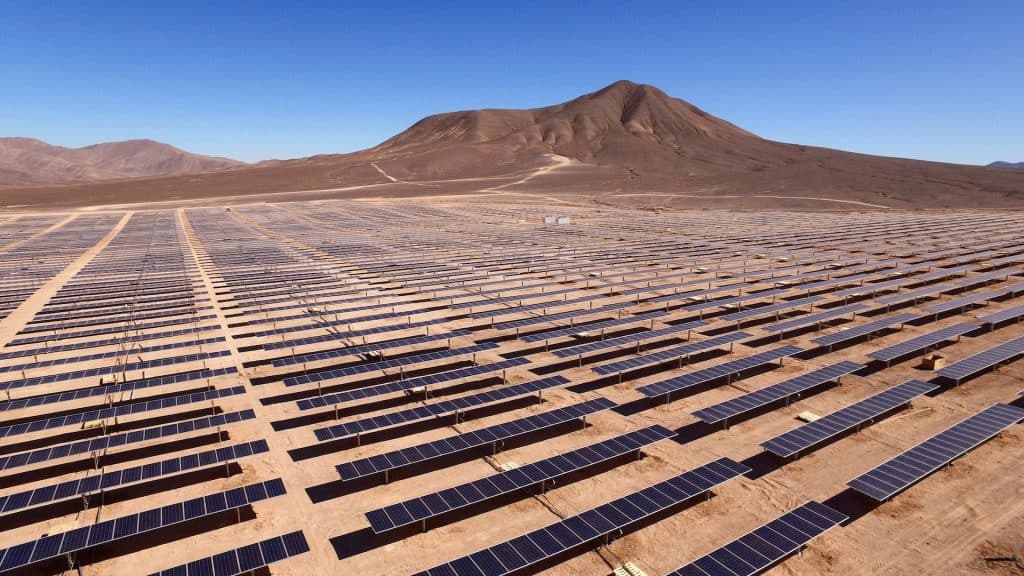
Germany is rapidly expanding its installed solar power capacity. Its installed capacity had already exceeded 100 GW at the beginning of the year. Solar installations in Germany have now reached another milestone, with their number exceeding 5 million. More than a million new solar installations were installed last year alone, driven in particular by the recently popular balcony systems.
According to data from the German network regulator (BNetzA), the total number of registered solar installations in Germany has surpassed 5 million. Their combined capacity stands at 104 GW. More than a million new solar systems with a capacity of approximately 17 GW were installed last year alone.
Read the full article HERE.
5. Court overturns permit for French wind farm over potential impact on the landscape
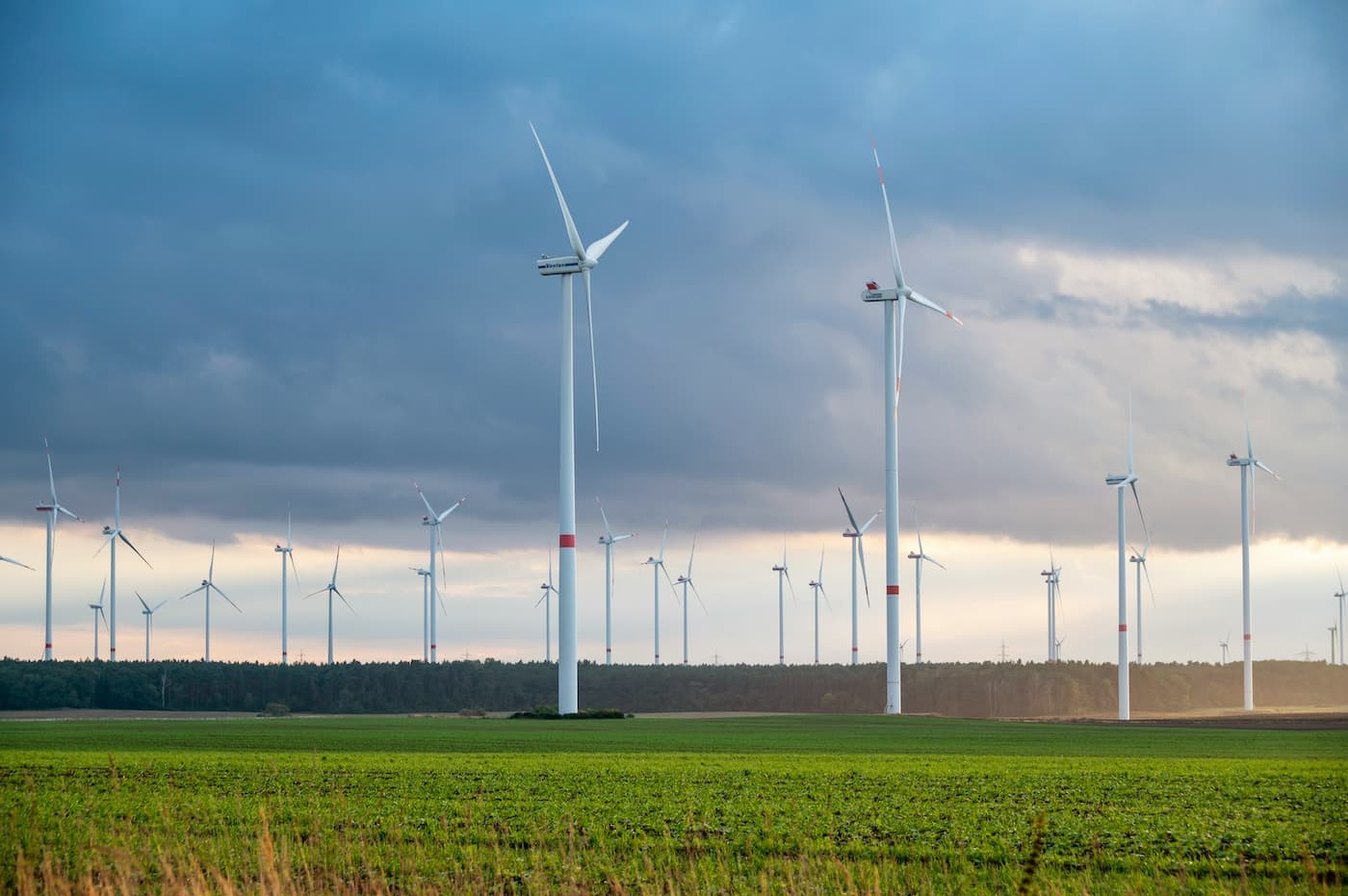
Construction of large wind farms with turbines whose blades can reach heights of several hundred metres often meets with opposition. One example is a wind farm project in France with planned installed capacity of over 200 MW. A French appeals court overturned the project’s permit following a complaint by local residents about the wind farm’s impact on the landscape. Similar concerns also often fuel public opposition in other densely populated European countries.
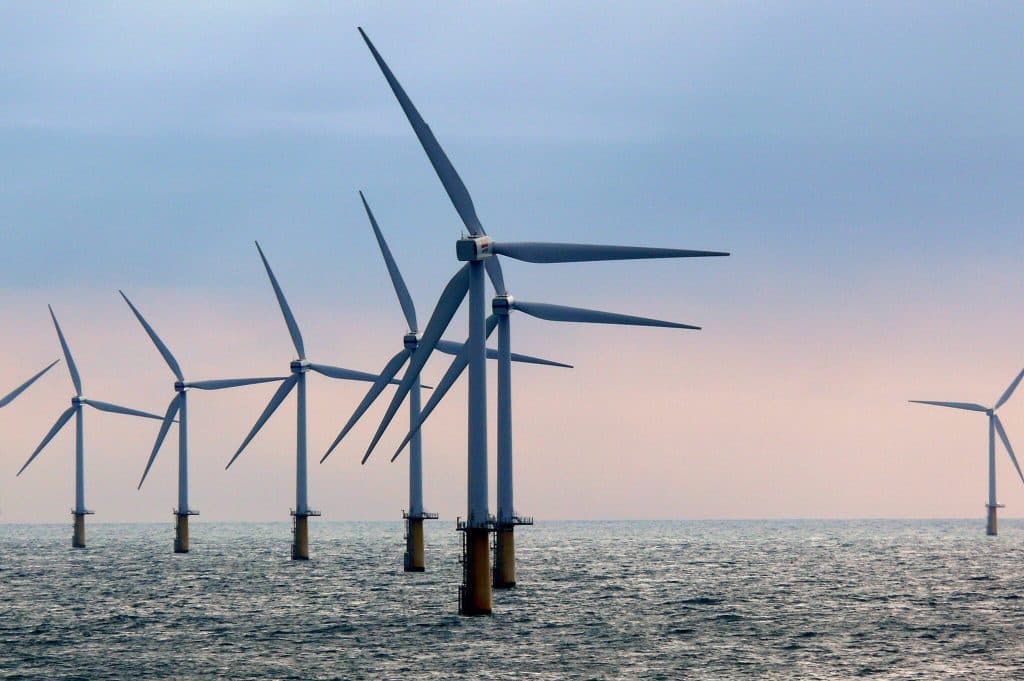
The Mont des Quatre Faux wind farm is one of many projects in Europe facing public opposition. The 63-turbine wind farm, with total installed capacity of 226 MW, is being developed in France by EDF Renewables and Renner Energies. According to Renewables Now, the companies secured support for the project in a 2021 auction. Construction costs are estimated at 250 million euros.
Read the full article HERE.
6. EU resource adequacy outlook: Europe needs new dispatchable capacity and grid development

The European Network of Transmission System Operators for Electricity (ENTSO-E) has published its annual assessment of electricity supply security in Europe for the next ten years. The assessment provides an integrated pan-European outlook for 2026, 2028, 2030 and 2035, showing that several European countries are facing or will face challenges in maintaining a reliable electricity supply.
Decarbonising the European economy also means the electricity generation fleet needs to be rebuilt. In its resource adequacy report, ENTSO-E warns that, as a result, it expects dispatchable power plants fuelled by fossil fuels to be retired in the medium term.
Read the full article HERE.
7. Oil refining at a crossroads: without transformation, plant closures loom
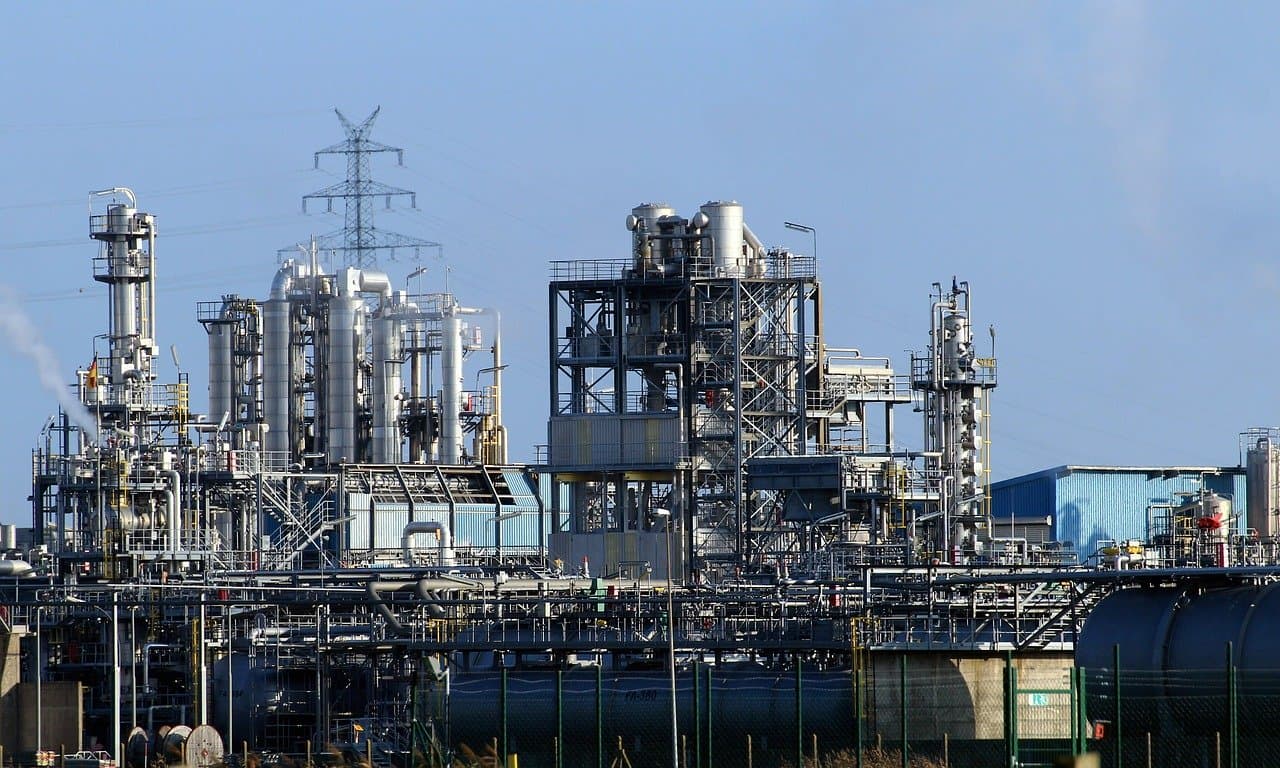
Consultancy Wood Mackenzie has published an outlook on global refinery capacity closures through 2035. The oil and gas sector is currently going through a period of uncertainty, with ongoing efforts to decarbonise entire economies on one side and a degree of retreat from these efforts on the other, driven in part by the arrival of the Donald Trump administration.
According to Wood Mackenzie estimates, refineries with capacity of approximately 1.1 million barrels per day will close by 2035, representing around 5.5% of global capacity. There are several reasons for this, including the lack of competitiveness of smaller or technically outdated facilities, insufficient investment in decarbonisation technologies and a growing focus on complex, integrated petrochemical operations.
Read the full article HERE.
8. BP changes course: oil, gas and profitability take priority as renewables fade into the background

BP chief executive Murray Auchincloss has confirmed a major change in the company’s strategy. Instead of its previous shift towards the green transition, BP is returning to fossil fuels. The new direction is intended to deliver higher returns for shareholders and strengthen the company’s position in the energy market. The figures speak for themselves: BP plans to increase investment in oil and gas by 20%, to 10 billion dollars a year. Spending on renewable energy, by contrast, will be cut by more than 5 billion dollars.
The chief executive of British energy company BP confirmed the strategic shift, which had already been signalled last year, in an interview with Fortune 500. The company plans to return to its traditional roots—oil and natural gas—and significantly scale back its ambitions in renewables.
Read the full article HERE.
9. Experts: Nuclear power is growing, but a uranium shortage looms without investment

The world should start investing heavily in uranium mining immediately to meet growing demand for the metal as nuclear power expands. If growth is strong, identified recoverable uranium resources will be depleted in the 2080s. This is according to the biennial Red Book report on the uranium market, prepared by the OECD Nuclear Energy Agency (NEA) and the International Atomic Energy Agency (IAEA). The high-growth scenario assumes that nuclear power capacity will increase through 2050 and then remain elevated.
Current uranium resources are sufficient to support growth at present. However, meeting further demand will require investment in additional exploration, mining and processing technology, the report says. This needs to begin immediately to ensure adequate uranium supplies in the medium term.
Read the full article HERE.
10. CSRD: European Parliament approves key parts of new reporting legislation

Specifically, Parliament approved the “stop-the-clock” proposal, which delays the fulfilment of some obligations under the Corporate Sustainability Reporting Directive (CSRD) and the Corporate Sustainability Due Diligence Directive (CSDDD). The news and preliminary analysis were reported by ERM. Despite the delay, the broader debate over the so-called omnibus (a package of new environmental legislation) continues to fuel political tensions and uncertainty, particularly for companies subject to the legislation’s obligations.
Read the full article HERE.
Energostat: electricity generation in the Czech Republic
Energostat: electricity generation in Germany
More up-to-date charts and data are available on Energostat
Translation disclaimer
This article is a machine translation of the Czech original and has not yet been fully reviewed. In case of any doubt, please refer to the Czech version.