26 October 2026, 19:59
Loading...
Top 10 energy stories of the past week
oEnergetice.cz
9 February 2026, 21:38
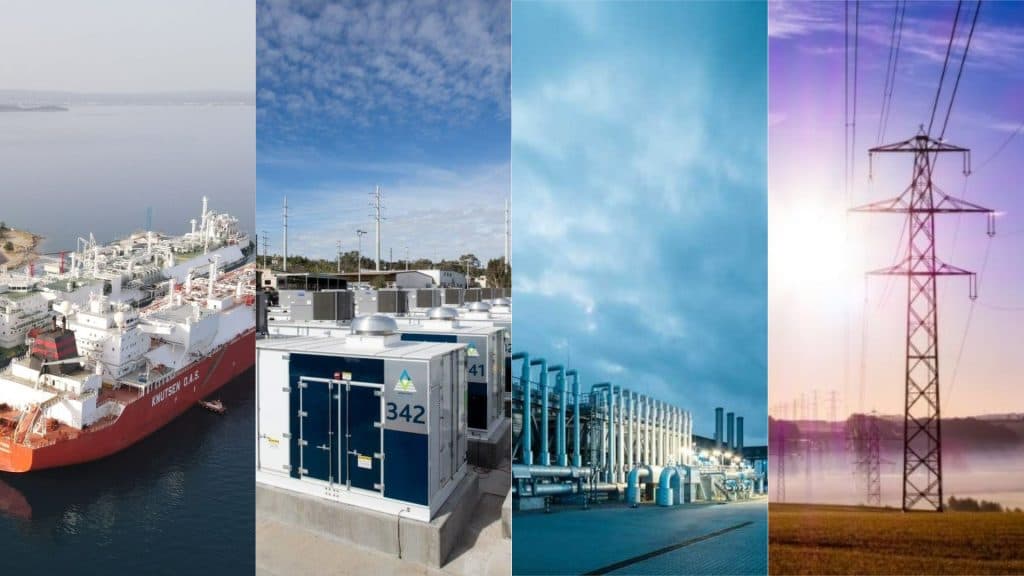
This week, we once again bring you a carefully selected list of the ten most significant articles published on the oEnergetice.cz website. If you missed any of them, here is a selection of the stories that attracted the most interest from our readers. Good luck in the new week!
1. Dismantling of steam generators begins at Germany’s Grafenrheinfeld nuclear power plant

Decommissioning Germany’s nuclear power plants has reached another milestone at the Grafenrheinfeld plant. Eleven years after the pressurised-water reactor was shut down, technicians have dismantled its first steam generator. The 365-tonne steam generators will be disposed of in Sweden next year. The Grafenrheinfeld plant, with an installed capacity of 1275 MW, generated more than 330 TWh of electricity between 1982 and 2015.
German company PreussenElektra announced that technicians had begun dismantling the four steam generators at the Grafenrheinfeld nuclear power plant. Each steam generator is 20 metres tall and weighs 365 tonnes, making them difficult to handle. Removing the first steam generator was particularly challenging because of the limited space in the reactor building, but the technicians completed the operation safely.
Read the full article HERE.
2. Hungary officially begins construction of a new Russian VVER-1200 nuclear unit
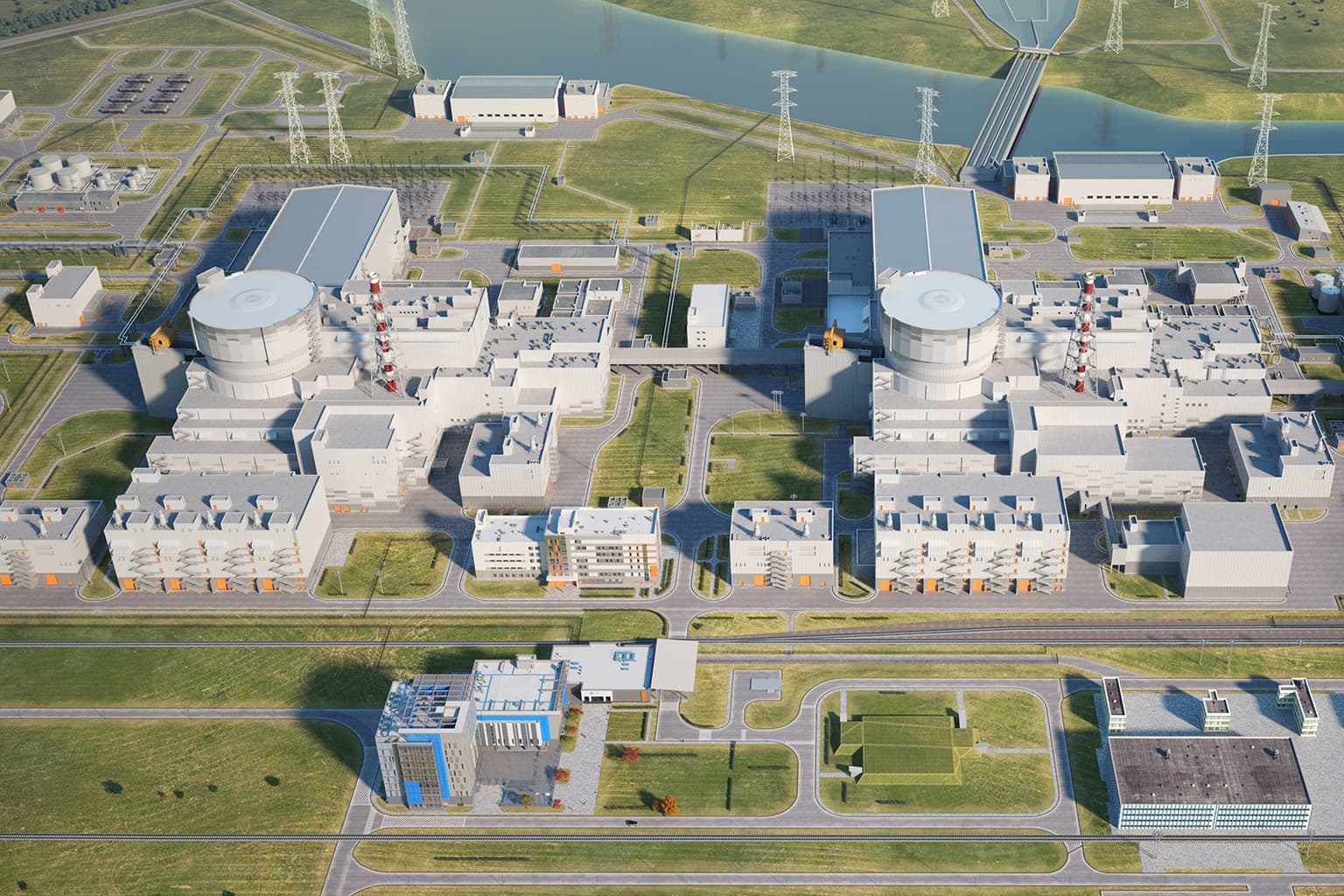
The second phase of Hungary’s Paks nuclear power plant has reached an important milestone. Construction workers officially began building the country’s fifth nuclear unit with the first pour of concrete. The new unit, with an installed capacity of 1200 MW, will use a Russian VVER-1200 reactor. It is the first start of construction on a nuclear unit in Europe in more than six years. According to current plans, the first of the two new reactors at Paks will begin generating electricity in the early 2030s.
The expansion of Hungary’s Paks nuclear power plant has reached a significant milestone, with construction workers officially beginning construction of Unit 5 with the first pour of concrete. The two new units at Paks II will be equipped with Russian VVER-1200 reactors, each with an output of 1114 MW (net).
Read the full article HERE.
3. Batteries keep growing in the EU, with utility-scale storage driving growth for the first time last year

Europe’s sharp increase in installed solar capacity in recent years has also driven up the need for flexibility. Both electricity generators and consumers can provide it to system operators and the market. Increasingly, however, attention is turning to a segment that brings the two sides together: energy storage. According to data from the SolarPower Europe association, last year was another record year for growth in storage capacity. Unlike in previous years, however, growth was driven not by households and industry, but by large-scale battery storage.
Installed solar capacity in Europe has risen significantly over the past several years. The energy crisis also played a major part, with electricity prices reaching multiples of their levels in previous years. This created expectations of rapid returns on investment in solar power plants. However, the rapid increase in installed capacity has led to strong cannibalisation, reflected in the increasingly frequent occurrence of zero or negative electricity prices on day-ahead markets.
Read the full article HERE.
4. January cold pushed electricity consumption to a nine-year high, with gas leading generation growth
Electricity consumption in the Czech Republic was at its highest since 2017 in January due to cold weather. It increased by almost 8% year on year, exceeding 6.5 TWh. It was met mainly by lignite-fired and nuclear power plants. The largest year-on-year increase in generation, however, was recorded by natural gas-fired power plants, whose output rose by almost 80% to 832 GWh. This is according to data available on Energostat.
Cold weather in January, which was more than 3 degrees Celsius colder than last January and around 1.5 degrees Celsius below the average January temperature, according to data published on the website of Czech market operator OTE, a.s., led to an increase in electricity consumption in the Czech Republic. According to data published on Energostat, electricity consumption in the Czech Republic increased by almost 8% year on year, reaching its highest monthly level since January 2017.
Read the full article HERE.
5. Five new wind farms came online in the Czech Republic last year; probably none this year

Five new wind farms with a total capacity of more than 13 megawatts (MW) came online in the Czech Republic last year. That is similar to the figure for the previous year. No new wind farms are likely to be added this year. Štěpán Chalupa, chairman of the Czech Renewable Energy Chamber, said this at a press conference today. The Czech Republic has long lagged behind the rest of Europe in its use of wind energy, which accounts for around one percent of generation.
More than 200 wind farms are now in operation in the Czech Republic. Their combined installed capacity exceeds 371.5 MW.
Read the full article HERE.
6. Trump launches Project Vault: a $12 billion US rare earth “vault”

Project Vault is the latest piece in the domestic supply chain that US President Donald Trump is gradually building for rare earths. Less than a week after announcing a major investment in USA Rare Earth, the administration unveiled another initiative aimed at securing domestic procurement and storage of strategically valuable elements.
“For years, American businesses have risked running out of critical minerals during market disruptions. Today, we are launching a project called Project Vault to ensure that American companies and workers are never harmed by shortages of these materials,”President Trump said in a public statement.
Project Vault can be thought of as the equivalent of strategic oil reserves, but in this case designed for US industry, with stocks of critical materials held in a government “vault”. The strategic reserve, valued at $12 billion (approximately CZK 247 billion), is to be financed through a combination of private capital and a loan from the US Export-Import Bank (Ex-Im Bank). According to The New York Times, General Motors, Stellantis, Boeing and Google are involved in the project, as key players in US industry.
Read the full article HERE.
7. Vattenfall: New nuclear power development requires direct state involvement
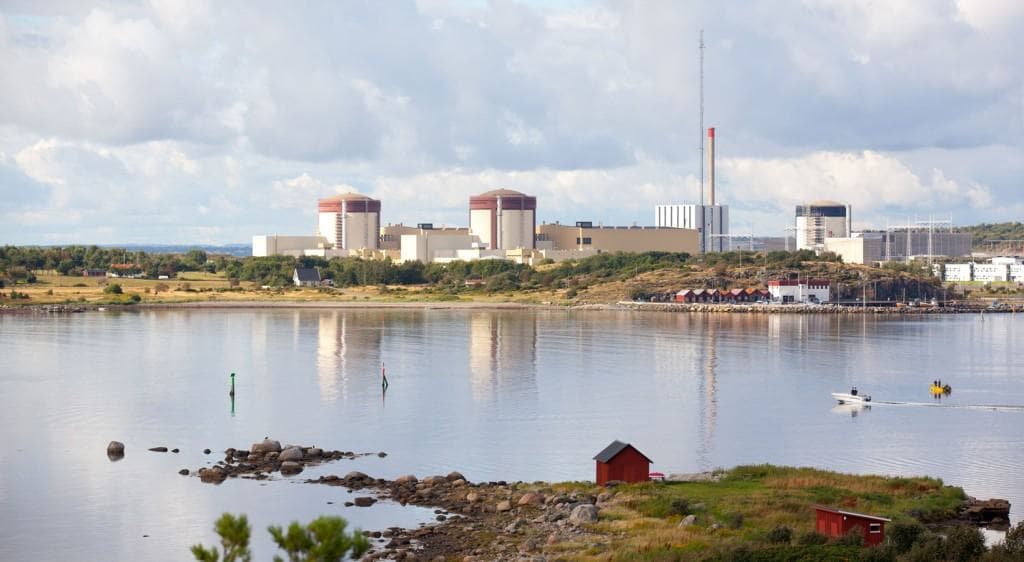
With electricity prices rising and ambitious decarbonisation plans underway, some EU countries have begun turning back to nuclear power in recent years. Sweden, which is no newcomer to the sector, is among them. The government has recently been looking at ways to protect new long-term investments. Vattenfall representatives say, however, that the Swedish state will need to become directly involved in new nuclear projects.
Investment in new nuclear power plants has long been a key topic in many European countries, including the Czech Republic. Sweden is one of the countries actively considering the construction of new units. Last year, the government began exploring ways to give investors greater certainty and protection against possible policy changes in the future. New nuclear projects typically involve investment horizons measured in decades, during which significant changes can occur on the political scene.
Read the full article HERE.
8. Commission plans to soften EU ETS; free allowances for industry to be extended
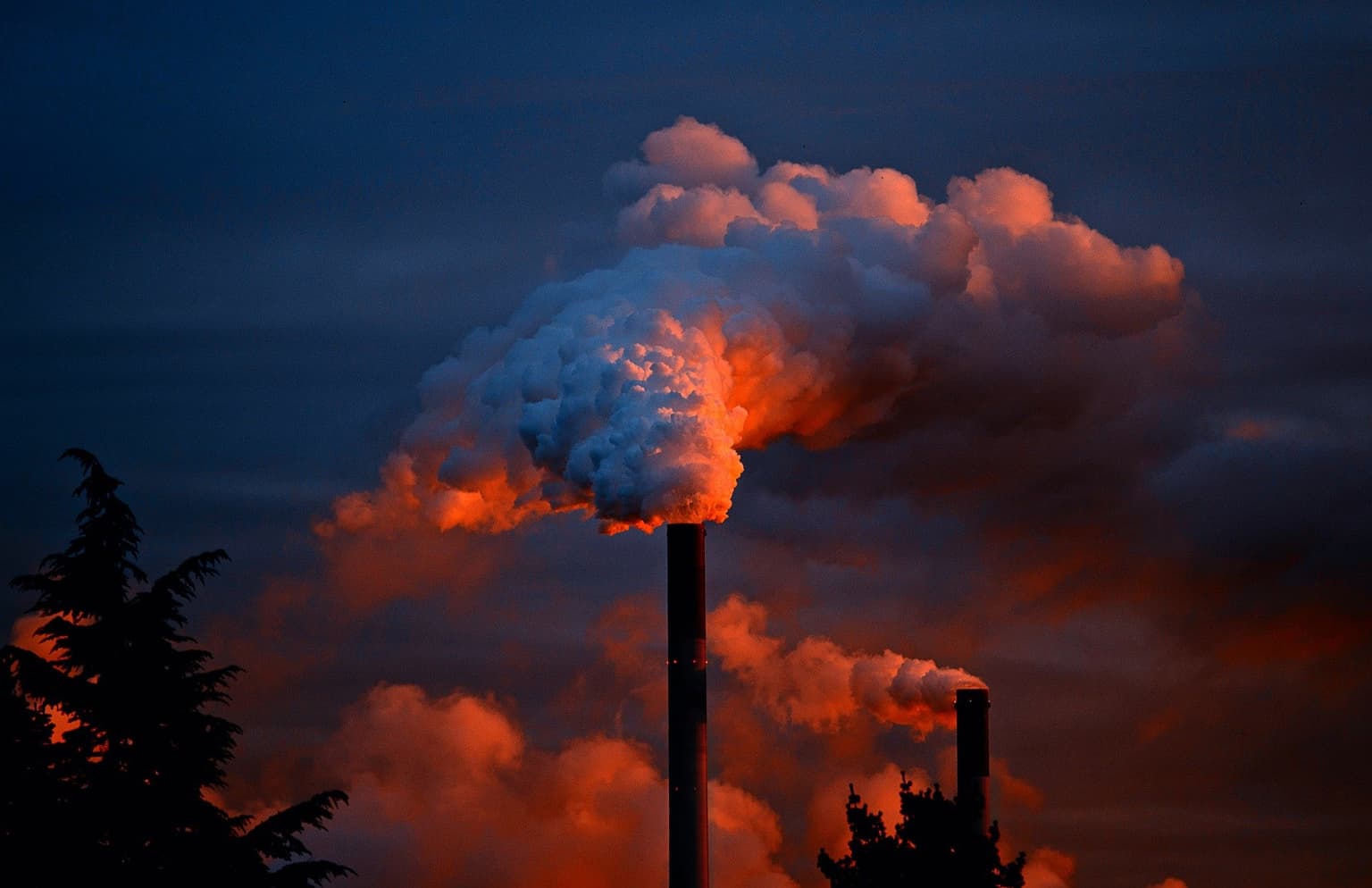
The European Commission plans to extend free emissions allowances for industry beyond 2034 and extend the period during which additional allowances are released onto the market through auctions. The international news outlet Clean Energy Wire reported, citing German newspaper Handelsblatt.
The EU ETS is the EU’s flagship climate protection policy and requires large industrial companies and power generators to surrender emissions allowances for the greenhouse gases they emit.
Read the full article HERE.
9. CBAM hits the Balkans: EU carbon tariffs hamper electricity trade and decarbonisation

The European Union’s Carbon Border Adjustment Mechanism (CBAM) entered its definitive phase on 1 January this year, and has begun affecting electricity trade between the EU and the Western Balkan countries. Although the European Commission proposed changes to the rules at the end of last year to mitigate the impact, uncertainty in the market persists. The changes will come with significant delays, and in the meantime CBAM is complicating trade, widening price differences and sending mixed signals about investment in clean energy in a region that is also seeking to join the EU, the news outlet Montel News reports.
CBAM is one of the European Union’s key climate policy instruments and a central pillar of the European Green Deal and the Fit for 55 package. It aims to prevent emissions-intensive production from relocating outside the EU by imposing a carbon charge on imports of selected commodities, aligned with the EU ETS. The obligation applies to products with a high carbon footprint, such as cement, iron and steel, aluminium, fertilisers, electricity and hydrogen. The mechanism is intended to level the playing field between European producers, who pay for emissions through allowances, and their foreign competitors.
Read the full article HERE.
10. EU’s second hydrogen auction setback continues: only 6 projects sign grant agreements

Only 6 projects ultimately signed grant agreements under the second hydrogen auction, held around the turn of 2024 and 2025. If they go ahead, new electrolysers with a total input capacity of 380 MW will be built in the EU. That is only a fraction of the original 2.3 GW that won operating support for hydrogen production in the auction.
When the European Commission published the results of the second European hydrogen auction last May, it seemed like a major success. A total of 15 projects, with electrolyser input capacity of 2.3 GW, had secured support. Many projects were left out. If all the projects submitted had gone ahead, 6.3 GW of electrolyser capacity would have been built, producing more than 7.3 million tonnes of green hydrogen over 10 years.
Read the full article HERE.
Energostat: electricity generation in the Czech Republic
Data in this chart is also available in 15-minute resolution60min15min
Energostat: electricity generation in Germany
Data in this chart is also available in 15-minute resolution60min15min
Find more up-to-date charts and data on Energostat
Translation disclaimer
This article is a machine translation of the Czech original and has not yet been fully reviewed. In case of any doubt, please refer to the Czech version.
Sdílejte článek prostřednictvím:
Topics:Energy Weekly
You might also like
26 October 2026, 14:24