
23 October 2026, 11:01
Loading...
Top 10 energy stories of the past week
oEnergetice.cz
8 March 2026, 23:14

This week, we once again bring you a carefully selected list of the ten most important articles we published on oEnergetice.cz. If you missed any of them, here is a selection of the articles that attracted the most interest from our readers. Good luck in the new week!
1. The European Union faces the loss of a key rare earths project

According to Reuters, GKN Powder Metallurgy, part of the British conglomerate Dowlais Group, has scrapped plans to build a rare earth magnet factory. This is a setback for Europe as it seeks to gradually reduce its dependence on China for the processing of these materials.
China controls approximately 90% of processed rare earth products and around 70% of their mining (the shares vary by element). The European Union is trying to change this through investment. GKN Powder Metallurgy had planned to produce rare earth magnets in Europe after operating a pilot plant in Germany since 2024. However, no specific location had been selected for the final factory. The company was reportedly also considering options in North America. It now appears that it will at least reassess its activities in this sector.
You can read the full article HERE.
2. Russia halts work at the Bushehr nuclear power plant following strikes on Iran

Russian nuclear giant Rosatom has announced that it is halting construction work on new units at Iran's Bushehr nuclear power plant. The decision follows ongoing airstrikes by the United States and Israel on a number of targets in Iran. According to the company's director, hundreds of employees remain at the site, although their evacuation is already under way. The Bushehr nuclear power plant currently has one operating unit, with two more under construction at the site.
Iran's nuclear programme is one of the main points of contention with the United States and Israel, and also one of the reasons for the ongoing military strikes. The country has long been developing its nuclear programme, particularly uranium enrichment, prompting a US military strike as recently as the middle of last year.
You can read the full article HERE.
3. Pressure on the ETS is mounting: Berlin wants reform, Rome a suspension
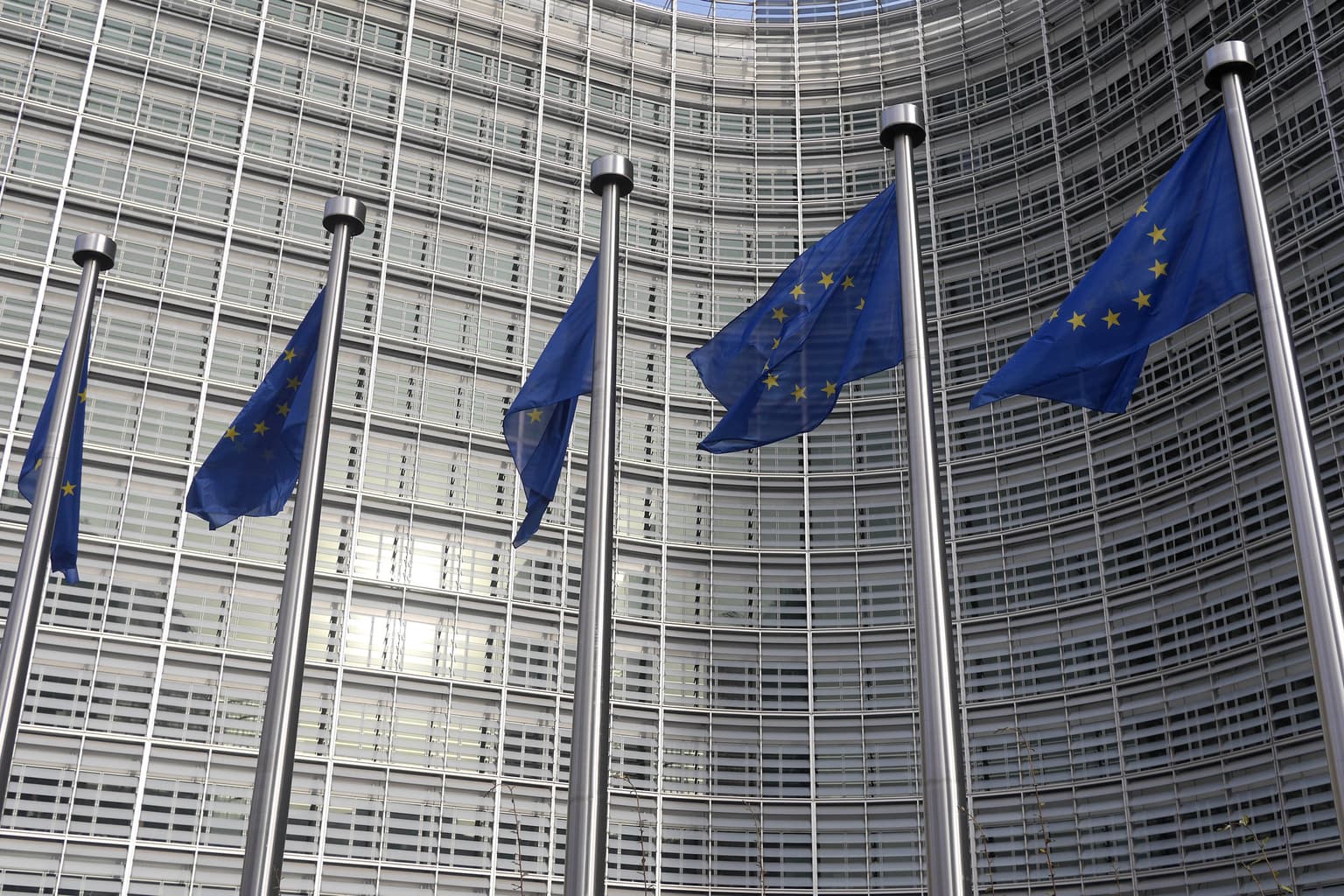
The European Union Emissions Trading System (ETS) is facing the strongest political pressure in its 20-year history. A large group of industry ministers is calling for a sweeping review, reflecting concerns raised by industry representatives. Italy wants to suspend the system at least until an agreement on reform is reached. Germany is calling for its parameters to be adjusted more quickly. France is more cautious, while Sweden warns against undermining a successful EU climate policy instrument. The debate over the future of the ETS has thus become one of the main items on the EU agenda in recent days.
The debate on ETS reform has been going on for a long time, but it has intensified in recent days and weeks. Calls from representatives of energy-intensive industries have now turned into a fairly heated political debate at ministerial level.
You can read the full article HERE.
4. Czechia backs Belgium: countries want blue hydrogen counted towards EU climate targets
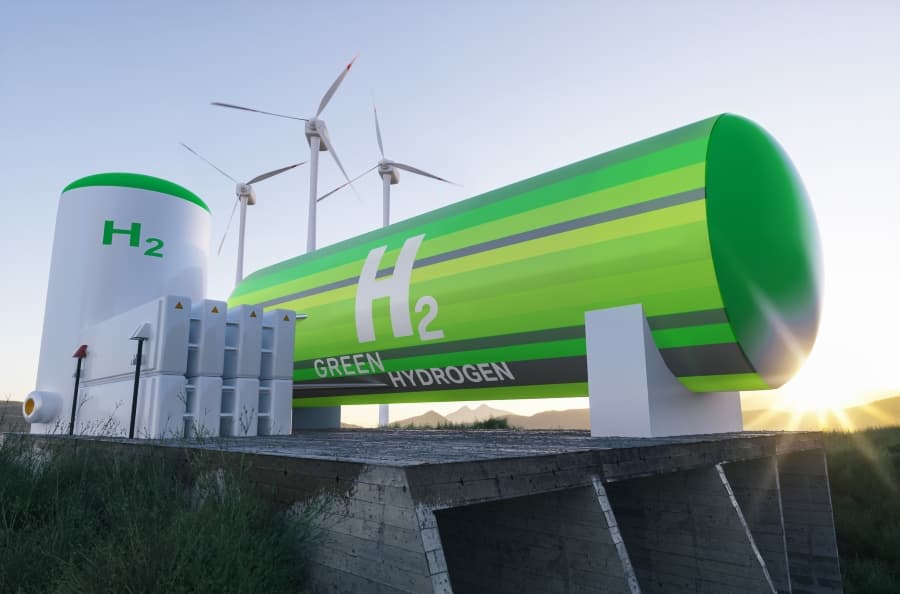
The European debate on hydrogen is heating up. A group of member states led by Belgium is pushing for low-carbon hydrogen, including blue hydrogen, to count towards the RED III directive targets alongside so-called green hydrogen. Czechia has also joined the Belgian initiative, which is an important signal for domestic industry, reports Argus Media.
The RED III directive requires EU countries to ensure that renewable fuels of non-biological origin (RFNBOs)—in practice, primarily green hydrogen produced by electrolysis using electricity from renewable energy sources—account for at least 42% of the hydrogen used in industry by 2030 and 60% by 2035. The target is intended to accelerate the decarbonisation of energy-intensive sectors such as chemicals and steelmaking.
You can read the full article HERE.
5. Trump wants to ease tensions on energy markets: US to insure tankers and escort them through the Strait of Hormuz

The ongoing conflict in the Middle East has caused a major price shock on global energy markets. Disruptions to energy supplies from the Persian Gulf region since the start of the week have pushed oil prices—and especially natural gas prices—to multi-year highs. The reason is the interruption of oil and liquefied gas shipments through the Strait of Hormuz. US President Donald Trump therefore intends to provide insurance and, if necessary, military protection for oil tankers in order to stabilise the market again.
The Persian Gulf region is crucial to global energy markets. Significant volumes of oil and liquefied natural gas (LNG), equivalent to roughly one-fifth of global supply, are shipped from the region. However, following the recent escalation—including US and Israeli strikes on Iran and Iranian retaliation against targets in neighbouring countries—oil and LNG shipments through the strategically important Strait of Hormuz have come to a halt.
You can read the full article HERE.
6. Slovenia actively advances plans for a new nuclear power plant

Slovenia's second nuclear unit project has reached further milestones. The government has approved preparations for a spatial plan for the new facility, while an expert working group has presented a possible financing model for the project. Slovenia plans to build a conventional unit with a capacity of 1000–1650 MW, at an estimated cost of EUR 9–16 billion. The Slovenian government will involve the public in the decision on construction through a referendum, which was due to take place in 2025 but has been postponed to the turn of 2027 and 2028. The new unit could enter commercial operation in the early 2040s.
The Slovenian government announced that it had approved further steps in preparing for the construction of a new nuclear unit in the country. Specifically, it will begin preparing a national spatial plan for the Krško 2 power plant. The public had an opportunity to comment on the proposal to initiate spatial planning from July to October last year. The project for the new unit is currently being managed by energy company GEN Energija, which operates Slovenia's first nuclear unit. The government expects to approve the spatial plan in autumn 2028.
You can read the full article HERE.
7. Israel at a crossroads: energy security amid the war with Iran
Energy security is becoming one of the key issues in Israel's current war with Iran. The escalation of the conflict in the Persian Gulf and disruptions to energy commodity supplies have once again highlighted the vulnerability of global and regional energy systems. According to technology entrepreneur Eliahu Drori, CEO of startup Organuz, the current crisis could be the catalyst for a fundamental transformation of Israel's energy sector.
Tensions in the region have also affected global markets. Amid the conflict and the threat of disruptions to energy transport through the Strait of Hormuz, oil and gas prices have risen sharply, which analysts say could have broader economic consequences. According to Drori, shocks like these show how risky it is to rely on centralised energy systems and fossil fuels over the long term.
You can read the full article HERE.
8. China reports a plateau in CO₂ emissions

According to the latest analysis published by Carbon Brief, global carbon dioxide (CO₂) emissions from China, the world's largest emitter, have plateaued or are declining slightly. This is happening as China's economy undergoes structural transformation, the share of low-emission energy sources grows, and the dynamics of industrial production and electricity consumption change. The latest data have once again raised the question of whether China has already reached its emissions peak ahead of its officially declared 2030 deadline.
According to an analysis published by Carbon Brief, China's CO₂ emissions have remained at levels comparable to those of the previous year in recent months, with some indicators pointing to a year-on-year decline. A key factor is slowing growth in energy-intensive sectors, particularly steel and cement production, which have traditionally been major sources of emissions because of their high coal consumption.
You can read the full article HERE.
9. Spain loses long-running solar support dispute: but does it matter?

Two companies, Infrastructure Services Luxembourg and Energía Termosolar, sued Spain in investment arbitration after the state significantly reduced support for renewable energy. The investors argued that this breached Spain's obligations under the Energy Charter Treaty.
According to Reuters, the UK Supreme Court on Wednesday rejected the Spanish state's argument based on sovereign immunity. This means the investors can continue their efforts to enforce the compensation award in the UK jurisdiction.
You can read the full article HERE.
10. European gas prices jump by up to 50% amid tensions over Iran and Qatar
Wholesale gas prices for the European market are surging today following US and Israeli attacks on Iran. In the afternoon, prices briefly accelerated to a rise of as much as 50% after reports that QatarEnergy was halting liquefied natural gas (LNG) production because of the attacks. The European Union is a major buyer of gas from Qatar.
Shortly after 13:30 CET, the price of the key front-month gas futures contract on the Title Transfer Facility (TTF) virtual trading hub in the Netherlands was up by almost 50%. It had risen to more than 48 euros per megawatt-hour (MWh). At around 17:00, the increase slowed to less than 40%, with the price above 44.60 euros per MWh.
You can read the full article HERE.
Energostat: electricity generation in the Czech Republic
Data in this chart is also available in 15-minute resolution60min15min
Energostat: electricity generation in Germany
Data in this chart is also available in 15-minute resolution60min15min
More up-to-date charts and data are available on Energostat
Translation disclaimer
This article is a machine translation of the Czech original and has not yet been fully reviewed. In case of any doubt, please refer to the Czech version.
Sdílejte článek prostřednictvím:
Topics:Energy Weekly
You might also like


23 October 2026, 06:34

